


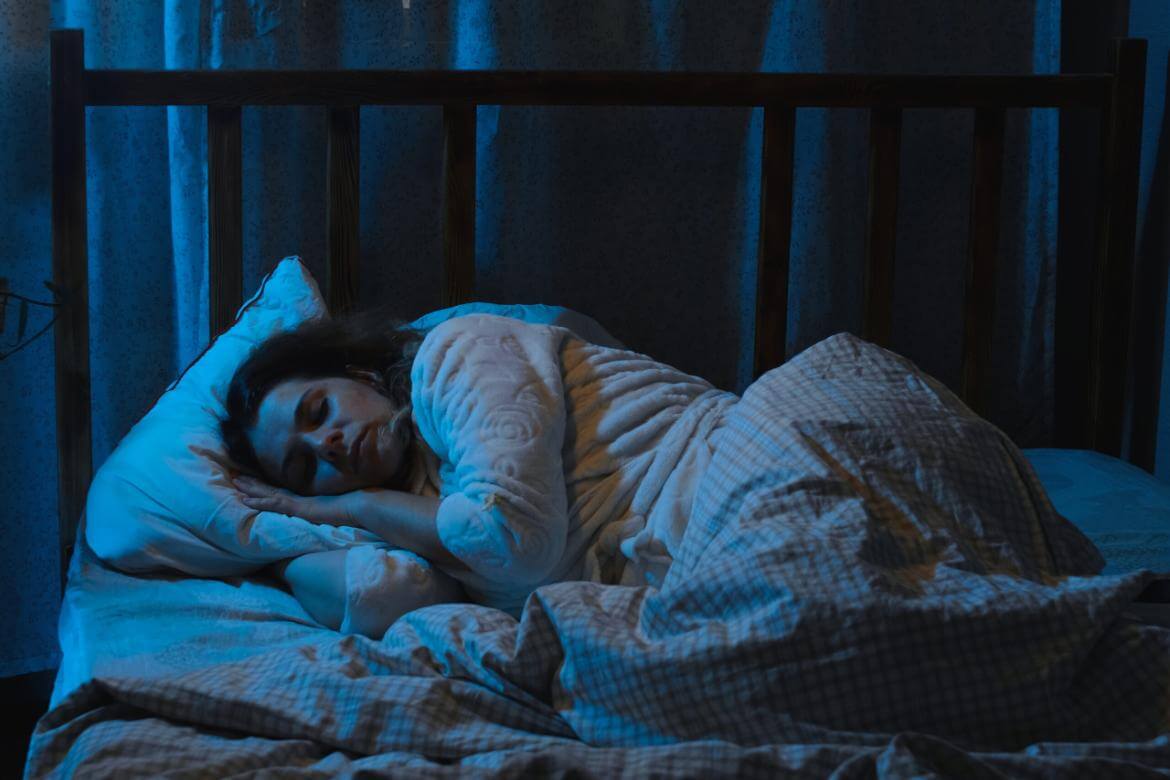
Night Sweats
Night sweats can often be caused by external factors such as room temperature, the thickness of clothing, or the type of coverings used, and are generally considered normal. However, night sweats can sometimes be a symptom of more serious health issues. It's important to consult a doctor to determine the underlying cause.
Common causes of night sweats include hormonal changes, menopause, stress, infections, sleep apnea, diabetes, neurological disorders, and some types of cancer. Any of these factors can cause night sweats and should be evaluated by a healthcare professional if they persist.
While individuals experiencing night sweats generally don't require any treatment, an appropriate treatment and management plan can be developed if there's an underlying health issue. Individuals experiencing persistent night sweats are advised to contact their doctor for a detailed evaluation and, if necessary, referral for further testing.
What Causes Night Sweats?
Night sweats can occur due to many different factors. These factors may include:
- Environmental factors: Environmental factors such as room temperature, the thickness of clothing worn, and the covering of a duvet or blanket can affect night sweats. This is generally considered normal.
- Infections: Tuberculosis, HIV, and other bacterial or viral infections can cause night sweats. Chills, fever, and night sweats are often symptoms of infections.
- Hormonal disorders: Hormonal problems such as menopause , hyperthyroidism (overactive thyroid gland), and testosterone irregularities can cause night sweats.
- Reflux: Reflux, which causes heartburn, can lead to symptoms such as night sweats and hot flashes.
- Stress and mental health issues: Anxiety, depression, and other mental health issues can cause night sweats.
- Cancer: Some types of cancer, especially lymphoma, can be associated with night sweats.
- Medications used: Night sweats can be a side effect of some medications. Medications such as antidepressants, antipyretics, insulin, and hormonal therapy medications can cause this condition.
- Neurological diseases: Neurological diseases such as stroke, autonomic neuropathy, and autonomic dysreflexia can also cause night sweats.
- Hyperhidrosis: Hyperhidrosis, which occurs as a result of excessive sweat gland function, can cause night sweats.
- Sleep apnea and hypoglycemia: Health problems such as sleep apnea and low blood sugar (hypoglycemia) can also contribute to night sweats.
For these reasons, it's important for individuals experiencing persistent or severe night sweats to consult a healthcare professional. Appropriate diagnosis and treatment can address any underlying health issues.
Night Sweats Symptoms
Night sweats are a condition that can be evaluated based on certain criteria. These symptoms may include:
- Excessive sweating: Night sweats are characterized by excessive sweating at night that is so intense that it wets the bed or the clothes worn.
- Hot flashes: Hot flashes are sudden, intensely hot sensations. They usually begin in the chest, arms, or upper face and can occur at any time of day.
- Facial redness: As a result of a sudden increase in body temperature, redness may occur on the skin of the facial area.
These symptoms can be used to distinguish night sweats from other conditions. However, other health problems should also be considered along with these symptoms. It is important to consult a healthcare professional for persistent or severe night sweats. If underlying health issues are identified, an appropriate treatment and management plan can be developed.
What could be the underlying diseases of night sweats?
Frequent night sweats may be a sign of an underlying health problem. If sweating persists despite wearing lighter clothing and creating a cool sleeping environment, it's important to consult a healthcare professional. Some health conditions that can cause night sweats include:
- Infections : Infections in the body, especially bacterial or viral infections, can cause night sweats.
- Obesity : Obesity can lead to hormonal imbalances and sweating problems.
- Diabetes: Diabetes can cause night sweats due to fluctuations in blood sugar levels.
- Thyroid diseases: Overactivity or underactivity of the thyroid gland can cause problems with body temperature regulation.
- Inflammatory or autoimmune diseases: Inflammatory diseases such as rheumatoid arthritis or autoimmune diseases such as lupus can cause night sweats.
- Sleep disorders: Sleep disorders such as sleep apnea can also contribute to night sweats.
- Anxiety: Anxiety disorders can affect stress hormones, causing night sweats.
- Idiopathic hyperhidrosis: Excessive sweating due to unknown causes.
- Autonomic disorders: Problems with the nervous system can cause night sweats.
- Tuberculosis: This infection can cause symptoms such as night sweats.
- Cancers: Some types of cancer, especially lymphoma, can be associated with night sweats.
- HIV/ AIDS : This infection may show symptoms such as night sweats.
- Pheochromocytoma: A tumor originating in the adrenal glands can cause night sweats.
- Pregnancy: Night sweats may occur during pregnancy due to hormonal changes.
It's important to see a healthcare professional to diagnose and treat these conditions. Additionally, some medications used to treat these conditions can also cause night sweats, so if you're taking them regularly, you should consult a doctor.
How to Prevent Night Sweats?
An effective way to prevent night sweats is to identify the underlying cause. Various changes can be implemented for night sweats caused by sleep hygiene, lifestyle habits, or the sleep environment, as recommended by a physician, including:
Cool sleep environment:
- It is important to control room temperature and create a cool sleeping environment.
- Regular ventilation or the use of a suitable air conditioner can reduce sweating.
Suitable clothing:
- Using pajamas and bedspreads made of thin, breathable and natural materials can reduce sweating by relaxing the body.
Relaxation techniques:
- Applying relaxing techniques before going to sleep or when experiencing night sweats can reduce stress.
Antiperspirant products:
- Clinically effective antiperspirant products recommended by a physician may be considered for use in appropriate body areas.
Diet and nutrition:
- Limiting caffeine and spice consumption and paying attention to sugar and fat levels can reduce night sweats.
- Regular exercise, not too close to bedtime, may also help.
Healthy lifestyle:
- Maintaining a healthy body weight is important for maintaining overall health.
Doctor's check-up:
- For night sweats that develop due to an underlying health problem, it is important to implement an appropriate treatment and management plan under the supervision of a physician.
Because each individual's situation is different, it is important to consult with a healthcare professional to create an effective treatment plan.
How to Treat Night Sweats?
To effectively treat night sweats, it's important to first identify the underlying cause. The treatment plan may vary depending on the underlying cause of night sweats. Some approaches used in night sweat treatment include:
- Lifestyle changes: Ensure a cool and comfortable sleeping environment. Ventilating the room is important to increase air circulation. Wearing light, breathable clothing and using appropriate bedding can be soothing.
- Hormonal therapy: Hormone replacement therapy may be used to regulate hormonal changes in menopause -related night sweats. Hormone therapy may be considered for night sweats caused by hormonal imbalances.
- Medication: Medications such as antibiotics for infections and thyroid medications for thyroid problems may be used to address the underlying cause. Antidepressants or anxiolytics may be prescribed for night sweats caused by anxiety disorders.
- Surgical intervention: In certain cases, especially in cases of problems with the thyroid gland or to restore hormonal balance, surgical intervention may be considered.
- Psychotherapy: Psychotherapy may be helpful for night sweats caused by anxiety disorder, stress, or trauma.
The treatment plan is determined based on the individual's health status, underlying causes, and the severity of symptoms. A comprehensive evaluation with a qualified healthcare professional can help determine an effective treatment approach. It is important to consult with a healthcare professional before beginning any treatment plan.
