


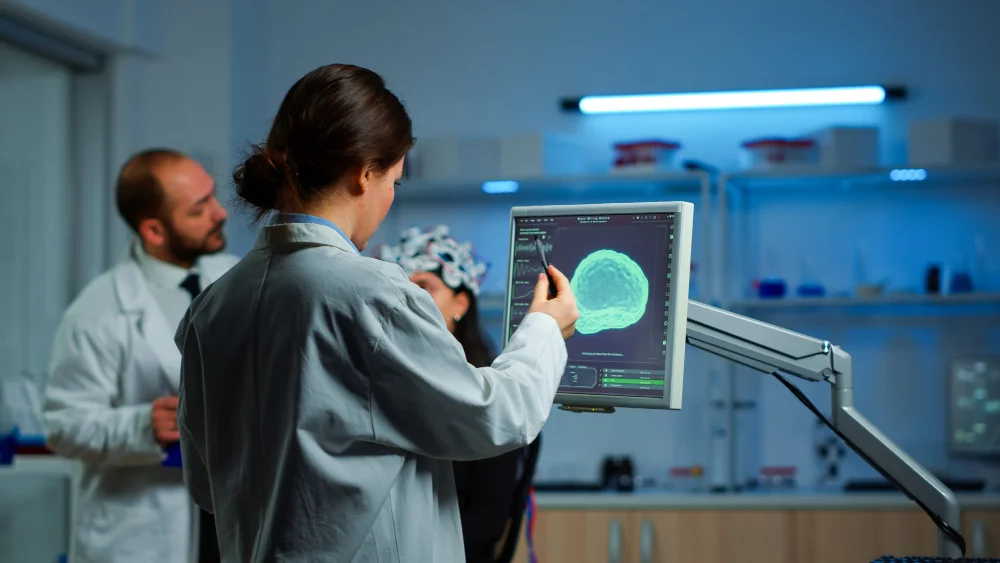
Neurology Examination | Neurology Diseases, Department Details and Appointment Guide
What is a Neurology Examination?
A neurology examination is a medical evaluation performed to diagnose and treat diseases related to the brain, spinal cord, nervous system, and muscles . It is crucial for patients experiencing symptoms such as headache, dizziness, forgetfulness, numbness, muscle weakness, epilepsy, or stroke to consult a neurology department. Neurology plays a critical role in the management of both central (brain and spinal cord) and peripheral (nerves and muscles) nervous system disorders.
A neurologist diagnoses disorders related to the brain, spinal cord, nerves and muscles and initiates the treatment process.
How to Perform a Neurology Examination | Step-by-Step Examination Process
A neurological examination is a comprehensive evaluation performed to diagnose diseases related to the brain, spinal cord, nerves, and muscles. This examination is customized to the patient's specific complaints and differs from other specialty examinations in many ways. The step-by-step neurological examination process is as follows.
Taking the Patient's History (Anamnesis)
One of the most important steps in a neurological examination is taking a detailed patient history. The neurologist may ask the following questions.
- When did the complaint begin?
- How long has it been going on?
- Have there been similar complaints before?
- Is there a family history of similar illness?
- What are the triggers or mitigating factors for complaints?
Neurological Physical Examination
A neurologist tests brain and nervous system functions by evaluating various systems.
Mental Status and Consciousness Check
- By talking to the patient, the level of consciousness, attention, memory and orientation are evaluated.
- It is important in the differential diagnosis of diseases such as Alzheimer's and dementia.
Cranial Nerve Examination (12 pairs of cerebral nerves)
- Functions such as eye movements, facial muscles, hearing and taste are tested.
- Conditions such as visual disturbances and facial paralysis occur at this stage.
Engine System Inspection
- Arm and leg muscle strength is measured.
- Muscle tone, reflexes and muscle mass are examined.
- Muscle diseases, paralysis or nerve injuries are evaluated.
Reflex Tests
- Nerve response is measured by gently tapping reflex points such as the knee and ankle.
- The increase or decrease in reflexes provides information about the nervous system.
Coordination and Balance Tests
- Coordination is checked with methods such as finger-nose test and heel-knee test.
- Balance analysis is performed by asking the patient to walk in a straight line.
- It is important for diseases such as MS, Parkinson's and brain tumors.
Sensory System Examination
- Senses such as pain, touch, heat and cold are tested.
- Conditions such as nerve damage and diabetic neuropathy can be detected.
Necessary Tests and Imaging Methods
After the neurological examination, the following tests may be requested to confirm the diagnosis:
- Brain MRI (Magnetic Resonance Imaging)
- CT (Computed Tomography)
- EMG (Electromyography)
- EEG (Electroencephalography)
- Lumbar Puncture (cerebrospinal fluid analysis)
- Blood tests (vitamin deficiencies, infections, etc.)
How Long Does the Inspection Take?
The neurology exam takes 20-30 minutes . This may take longer if the patient's condition is complex or if additional testing is needed.
What Diseases Are Detected by a Neurology Examination?
The following diseases can be diagnosed through neurological examination:
- Migraine and other types of headaches
- Epilepsy
- Parkinson's disease
- Multiple Sclerosis (MS)
- Alzheimer's and other types of dementia
- Paralysis (stroke)
- Lumbar and cervical disc herniations
- Muscle diseases
- Nerve compressions (Carpal Tunnel Syndrome, etc.)
- Vertigo (dizziness)
- Sleep disorders
Symptoms That Require a Neurology Appointment: Which Neurological Complaints Should You Pay Attention to?
Neurological symptoms are symptoms resulting from problems in the brain, spinal cord, nerves, or muscles. While these symptoms can sometimes be mild, in other cases, they can be signs of serious illnesses. Recognizing the symptoms and consulting a neurologist promptly is crucial for early diagnosis.
Symptoms of Neurological Diseases
- Headaches: These can include migraines , tension headaches, and cluster headaches. They can also be accompanied by blurred vision, nausea, and sensitivity to light.
- Vertigo: Associated with problems involving the inner ear and balance nerves. It manifests as a sudden loss of balance and a feeling that the room is spinning.
- Fainting (Syncope) and Loss of Consciousness: Brief loss of consciousness may be related to the heart, blood vessels, or brain. Epileptic seizures can also cause loss of consciousness.
- Numbness and Tingling: A feeling of numbness in areas such as the hands, feet, arms or face may be caused by nerve compression or brain-related problems.
- Muscle Weakness: One-sided weakness may be a sign of a stroke. It may also be related to muscle disease or nerve damage.
- Visual and Hearing Disorders: Symptoms such as sudden vision loss, double vision, ringing in the ears or decreased hearing may be of neurological origin.
- Forgetfulness and difficulty concentrating: In older adults, these can be the first signs of dementia such as Alzheimer's. In younger adults, they can be caused by vitamin deficiencies, stress, or depression.
- Seizure (Epilepsy): Symptoms include loss of consciousness, body convulsions, and a fixed stare. It must be evaluated by a neurologist.
- Tremors and muscle twitching: This can be one of the first symptoms of Parkinson's disease. It can also be due to fatigue, stress, or muscle disorders.
- Balance Problems and Gait Disorders: These may be symptoms of serious diseases such as MS, brain tumor, or stroke.
- Speech Disorder: Unlike stuttering, sudden onset of speech difficulty (aphasia) may be a sign of stroke.
- Sleep Disorders: Conditions such as insomnia, excessive sleepiness, and sleepwalking may be of neurological origin.
When Should You Consult a Neurologist?
You should definitely see a neurologist in the following cases:
- If your complaints are recurring or becoming increasingly severe
- If you have experienced loss of consciousness, fainting, seizures, etc.
- If there is a sudden loss of strength or feeling in the hands, arms, or legs
- If balance and walking disorders develop
- If memory and speech problems occur
What Does the Treatment Plan Include After the Neurology Exam?
After your examination, your doctor's recommended treatment plan is based on the type and severity of your condition, as well as your individual health status. Here are the basic steps in this process:
A correct diagnosis is made through neurological tests (brain MRI, EEG , EMG, etc.) performed during the examination. This is the first step in the treatment plan.
A neurologist offers a variety of treatment options depending on the type of condition you have:
- Medication : Medications such as painkillers, anti-seizure medications, and antidepressants may be used.
- Physical therapy and rehabilitation : Physical therapy may be recommended for muscular and nervous system diseases.
- Surgical intervention : Surgical treatment may be necessary, especially if neurological diseases are advanced.
Treatment is monitored through regular doctor checkups and follow-up. Response to treatment is monitored and the specialist guides you when changes to the treatment plan are necessary. Neurological diseases can be more effectively managed through lifestyle changes. For example, diet, exercise programs, and stress management can be part of the treatment process. It's important to stay in touch with your doctor at every stage of the treatment process. Your treatment plan will be reviewed regularly at appointments.
How to Make a Neurology Appointment?
Making an appointment for a neurology exam is quite easy. You can schedule your appointment in private and public hospitals using a few different methods:
State, university and private hospitals provide appointments through online appointment systems.
- Neurology department is selected,
- The appropriate date and doctor are determined,
- An appointment is made by entering personal information.
You can easily make a neurology appointment by calling the hospital's call center.
Magnet Hospital Neurology Department
Magnet Hospital stands out with its expertise and modern treatment methods in neurology. Specialized treatment options are offered for a variety of neurological conditions, including headaches, epilepsy, Parkinson's disease, migraines, and neurological disorders.
- Expert Staff: Reliable and effective treatment by neurologists who are experts in their field.
- Advanced Diagnostic Methods: Accurate diagnosis is made with advanced tests such as brain MRI , EEG , and EMG.
- Personal Care Service: One-on-one follow-up and treatment opportunities are provided for each patient.
How to Make an Appointment to Magnet Hospital Neurology?
Experienced neurologists are at your service with modern diagnosis and treatment methods to make an appointment with a neurologist in Ankara and to evaluate your complaints such as headache, forgetfulness, dizziness, epilepsy, and muscle weakness .
For your Neurology Appointment and Examination, you can quickly make an appointment by contacting Magnet Hospital's call center at 0 312 212 80 80.
To make a neurology appointment, apply through the Online Appointment system!
