


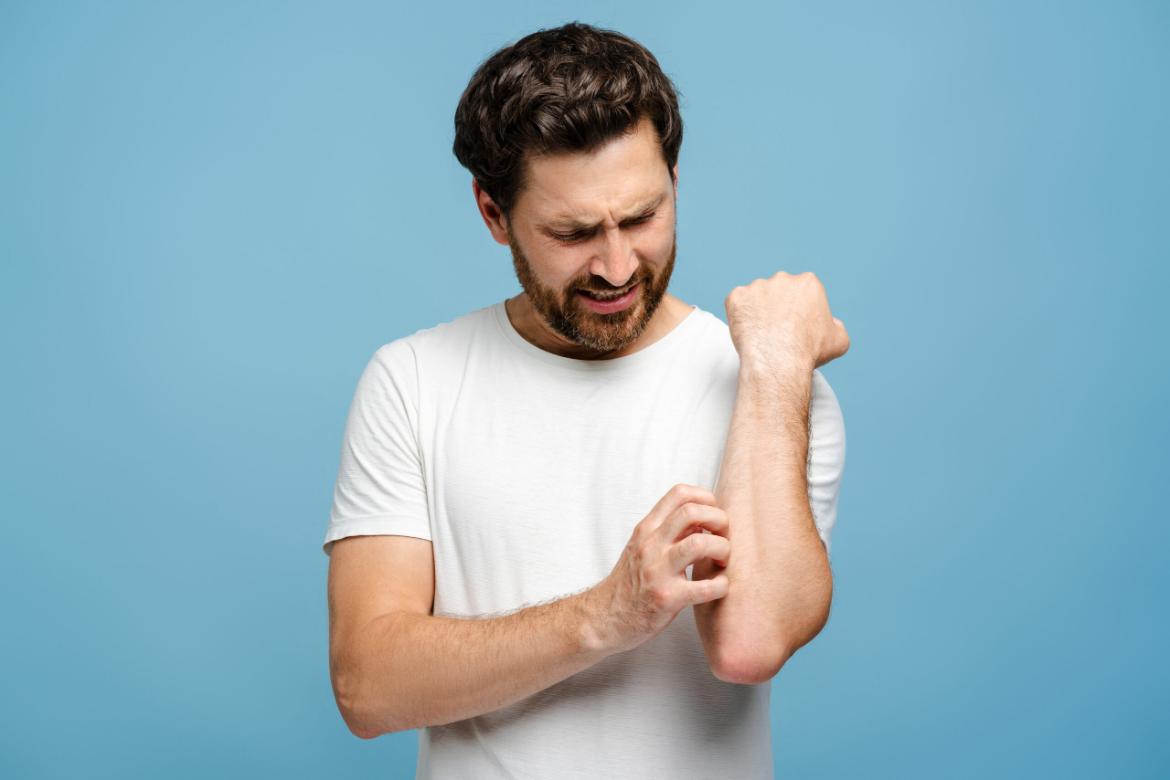
Nervous Psychological Itch
Itching is a dermatological and neurological condition that can appear on any part of our skin and body and can arise from various causes. It is a common problem in daily life. Neural or psychological itch can be considered a response to various psychological states. The cause of psychological itch is investigated through specific tests after consulting a specialist. A neurological examination, which triggers neurological conditions, may be recommended by a dermatologist. This type of itch, which can cause numerous wounds and rashes on the body, can spread from one area to another. It is important to consult a specialist for a proper diagnosis. Scientific research is ongoing, and experts have stated that psychological itch is a condition that has no dermatological origin and stems from the effects of neural networks. This neurological itch, associated with a problem in neuronal transmission and affecting daily life, is also commonly known as psychological itch. Neurologists and dermatologists have not yet reached a definitive conclusion about this condition, and it is believed to be caused by neurological damage. This condition can also be considered a way of expressing one's psychological self. Although there are different opinions on how itching develops, it is a condition that needs to be treated.
Causes of Nervous Psychological Itching
The cause of neurological itch is associated with neuronal damage and stems from neurological problems. There are many different explanations for the occurrence of itch. Furthermore, itching is also observed due to various diseases. Neurological itch can play a significant role in the outcome of some disorders.
- Diabetic neuropathy: One of the most common causes of itching, diabetic neuropathy occurs when a patient's blood sugar levels are persistently high. High blood sugar damages nerve cells, causing itching and pain, especially in the hands and feet.
- Psychological trauma: Itching following a neurological disorder can also occur during the psychological process. Traumatic events, stress, and depression can particularly trigger itching.
- Metabolic disorders and infections: A slow or fast metabolism can cause nervous itching. Various conditions, such as insulin resistance, obesity, hypertension, thyroid problems, and infectious diseases can also cause itching.
- Genetic predisposition: Many medical conditions are caused by genetic predispositions. If a person has a family history of conditions such as diabetes or high blood pressure, their risk of experiencing neuropathic problems and nervous itch may increase.
Before determining the exact cause of neuropsychological pruritus, it's important to have a thorough evaluation by a qualified healthcare professional. Treatment should be planned to address the underlying cause.
Symptoms of Neurological Itch
Neurological itch often occurs as a symptom of an underlying condition. Therefore, its symptoms may be due to underlying conditions. Some symptoms of neurological itch include:
- Nausea and abdominal pain: Systemic problems such as liver disease can cause neurological pruritus. In these cases, symptoms such as nausea and abdominal pain may also occur.
- Neurological symptoms: Nervous itch is sometimes associated with neurological problems. In this case, the person may have difficulty maintaining daily activities, become irritable, and have difficulty coping with traumatic situations.
- Skin conditions: Itching can often be a symptom of skin conditions. Skin conditions such as eczema, dryness, and allergic reactions can accompany nervous itch.
- Signs of infection: Nervous itching can be a symptom of some infectious diseases. Symptoms such as fever, chills, and general malaise may also occur in cases of infection.
- Diabetes link: Diabetes can cause nerve damage, leading to neural pruritus. This condition typically results in dry and itchy skin.
Symptoms of neurological itch often vary depending on the underlying cause. Therefore, anyone experiencing such symptoms should be evaluated by a healthcare professional.
Differences Between Nervous Itch and Dermatological Itch
While both are based on psychological causes, their effects can be different. It is possible to distinguish these differences:
Spread:
- Nervous pruritus: It can occur in most parts of the body.
- Dermatological pruritus: It can be localized in a single area of the body (such as hair, hands and feet).
Accompanying conditions:
- Nervous itching: It usually occurs alongside symptoms of other illnesses. Symptoms of conditions such as neuropathy, infection, liver disease, and diabetes may also be present.
- Dermatological itching: Skin problems such as dermatitis and hair loss may occur with this type of itching.
Diagnosis and differential diagnosis:
- Nervous pruritus: It is usually determined by specialists and is differentiated by neurological examination and medical history evaluation.
- Dermatological pruritus: It is diagnosed through examination and skin tests performed by a dermatologist.
Treatment:
- Neural itch : Treatment for psychological itch is usually directed at the underlying causes and may also include neuropathic pain treatments.
- Dermatological pruritus: Treatment for skin conditions may often include topical medications, antibiotics, or corticosteroids.
In either case, it is important to be evaluated by a qualified healthcare professional for accurate diagnosis and appropriate treatment.
Treatment of Nervous Psychological Itch
Treatment for neurological pruritus is generally determined by the individual's medical history, symptoms, and underlying causes. Because each patient's condition is unique, treatment methods can vary from person to person. Some methods used to treat neurological pruritus include:
- Medication: Medications such as antihistamines, corticosteroids, and neuropathic pain medications can be used to reduce itching. However, because every patient is different, medication management is tailored to each individual.
- Diet and lifestyle changes: In cases of diabetic neuralgia, dietary and lifestyle changes may be recommended to control blood sugar. A proper nutrition program, weight control, and regular exercise, under the supervision of a dietitian, are important.
- Physical therapy and alternative approaches: Alternative methods such as physical therapy and meditation can be used to address muscle weakness associated with psychological itch. This can help reduce stress and promote relaxation.
- Appropriate medical examination and diagnosis: A medical examination by a specialist physician is necessary to determine the underlying cause of neural pruritus. Blood tests, skin biopsies, and imaging studies may be used for diagnosis, if necessary.
- Psychological support: In cases of psychological itch, psychotherapy or counseling may be helpful. Stress management and emotional health support can help manage the itch.
In all cases, it's important to consult a qualified healthcare professional for a correct diagnosis and appropriate treatment. The treatment plan for neurological pruritus should be tailored to the patient's specific situation.
How Does Nervous Itch Occur?
Neuropsychological pruritus is characterized by itching sensations occurring in any part of the body. This condition is usually caused by psychological factors. Some explanations for neurological pruritus include:
- Stress and emotional factors: Recent stressful events, trauma, and the suppression or inability to express negative emotions such as anger and sadness can trigger nervous itch. As stress levels rise, so can the itching sensation.
- Psychological conditions: Psychological itch is associated with psychological conditions such as excessive self-sacrifice and a dominant "no" schema. These conditions may contribute to the itch.
- Emotional repression: Suppressing negative emotions or not expressing them can lead to emotional repression. This repression can manifest as itching on the body.
- Coping with stress: In cases where the individual's stress coping mechanisms are inadequate, physical symptoms of stress may include itching.
- Periods of exposure to stressors: The itching sensation may become more pronounced during periods of exposure to stressors, especially when stress levels are high.
Because nervous itch often occurs in conjunction with stress, approaches such as stress management, emotional health support, and, if necessary, psychotherapy can be helpful in managing the condition. It's important to consult a qualified healthcare professional for treatment.
Causes of Night Itching
There are several possible causes of nighttime itching:
- Dry Skin : Skin can become drier during the night, causing itching. Itching can be exacerbated, especially during the winter months, by the effects of indoor heating systems on the skin.
- Dermatitis : Dermatitis can cause itching due to inflammation of the skin. Conditions such as contact dermatitis or atopic dermatitis can cause itching at night.
- Insect Bites or Allergies : Insect bites or allergic reactions while sleeping in bed can cause nighttime itching.
- Dermatological Problems : Some skin conditions, especially eczema, psoriasis, or hives, can cause itching during the night.
- Humid Environments : Hot and humid environments can lead to increased sweating and itching.
- Liver or Kidney Problems : In rare cases, liver or kidney problems can lead to nighttime itching.
Any of these causes can cause nighttime itching, but it is important to consult a dermatologist or specialist for a definitive diagnosis.
