


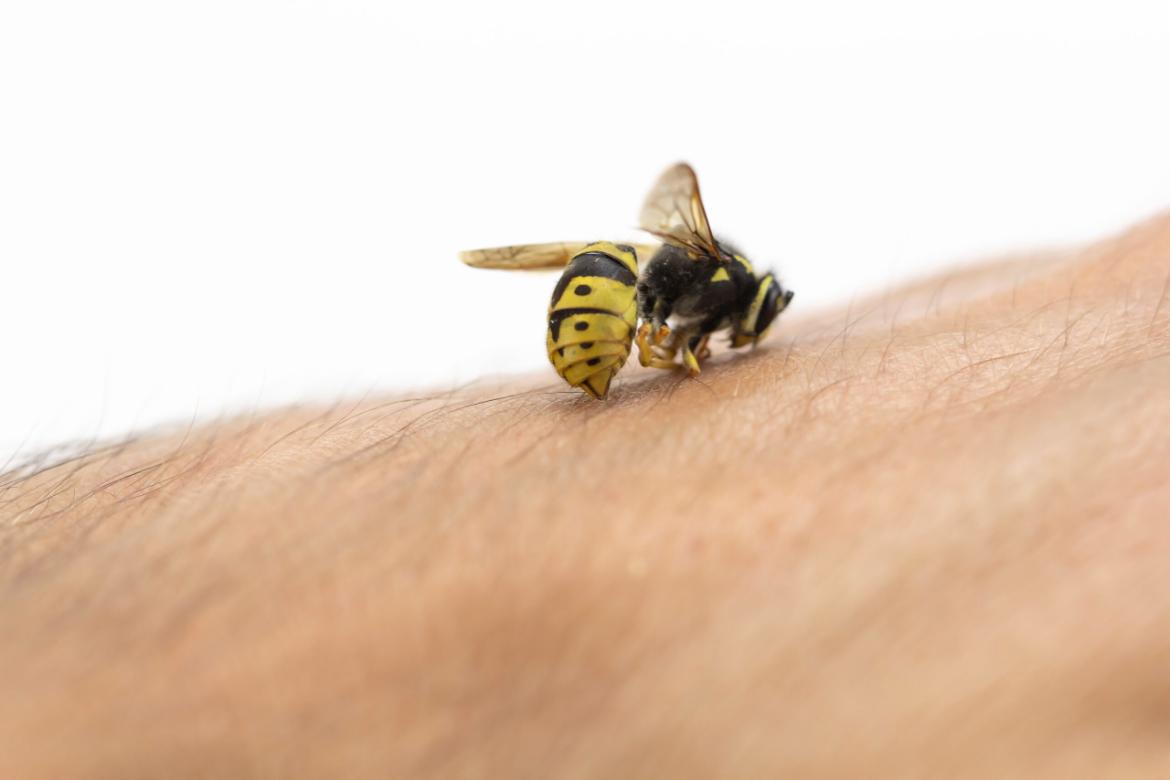
Natural Treatment Methods After a Bee Sting: What is Good for a Bee Sting?
While bees are generally not aggressive, they can sometimes perceive humans as a threat. A bee sting occurs when a bee inserts its stinger into a person and usually occurs outdoors. Basic first aid at home can alleviate the effects of a bee sting in most cases and usually does not require medical attention. However, the pain may be greater than normal, or the person may experience an allergic reaction at the sting site.
If the pain persists after basic intervention, or if allergic reactions such as swelling or shortness of breath occur, it's important to immediately seek medical attention at the nearest healthcare facility. It's especially important to seek professional medical attention in the event of severe pain or allergic reactions. Allergic reactions may require immediate medical attention, so take these symptoms seriously.
What should be done in case of a bee sting?
When you're stung by a bee, it's important to first check for symptoms at the sting site. Symptoms such as itching, mild pain, burning, or a feeling of warmth in the sting area are usually simple bee sting symptoms.
The severity of these symptoms can vary depending on the bee species. For example, honeybees generally die after a single sting, while hornets can sting humans multiple times. When stung by multiple bees simultaneously, your body may experience a toxic reaction or allergic symptoms from bee venom.
If you have been stung by multiple bees or are experiencing severe symptoms, it's important to check for signs of an allergic reaction. In cases of allergic reactions or severe symptoms, professional medical attention should be sought. Additionally, if symptoms from a bee sting are severe or concerning, it may be beneficial to consult a healthcare professional.
What are the symptoms that indicate an allergic reaction to a bee sting?
Allergic reactions following a bee sting can range from mild to severe. Depending on the severity of the allergy and the individual's sensitivity, mild or severe reactions can develop shortly after a bee sting.
Mild reactions may usually manifest with the following symptoms:
- Skin redness
- Blistering or mild swelling
- Mild pain or burning
Such mild symptoms generally do not require medical attention. In addition to physical symptoms, mild pain is also commonly experienced after a bee sting. In moderate reactions, swelling may increase over time and often persists at the sting site for several days.
However, severe allergic reactions are serious symptoms that need to be taken seriously. These reactions are called anaphylaxis and may require immediate medical attention.
Symptoms of a severe allergic reaction may include:
- Swelling in the throat
- Itching or pale skin
- Shortness of breath
- Hives
- Nausea
- Dizziness and loss of consciousness
- Diarrhea
- Swelling of the tongue
- Fainting
These severe symptoms can appear within hours after a bee sting. In cases of severe allergic reactions, they can be treated with an adrenaline shot, called an auto-injector. In either case, it's important to consult an allergist and use the allergy medications recommended by your doctor.
What is good for a bee sting?
In case of a bee sting, you can apply the following methods to relieve swelling and pain:
- Wash the sting area with cold water and soap: Cold water can relieve the initial sting and pain, while soap can help cleanse the bee venom.
- Apply an ice pack: To reduce swelling, you can apply an ice pack. Ice packs can help relieve swelling and pain.
- Antihistamines and painkillers: You can use antihistamine creams or painkillers to reduce swelling and itching.
- Emergency medical attention: If you experience symptoms of anaphylactic shock, such as swelling of the face, throat and tongue, or difficulty breathing, you should immediately seek medical attention.
Other methods that can be tried at home include:
- Vinegar: Applying vinegar to the bee sting area can relieve pain by neutralizing the venom.
- Ammonia or baking soda: Alkaline substances like baking soda, bicarbonate of soda, or ammonia can also help relieve pain. You can mix these substances with water and apply them to the sting area.
- Toothpaste: Toothpaste can help relieve pain.
- Honey: Applying honey to a wound can help reduce pain and itching.
Mild swelling and redness following a bee sting are usually nothing to worry about. However, scratching the sting site can lead to infection and delay healing. If the sting is on a limb, such as an arm or leg, elevating the area can be soothing.
Should the stinger be removed in a bee sting?
In the event of a bee sting, the bee's stinger usually remains in the skin. The venom sac injects venom into the body. It's important to remove the stinger within 30 seconds of a bee sting, as prolonged exposure can spread the venom and cause allergic reactions.
You can use tweezers to remove the stinger, but be careful not to pinch it. Squeezing the stinger out can cause the venom sac to rupture, spreading more venom throughout the body. Try to remove the stinger as gently as possible, using a straight angle. Once the stinger is removed, you can wash the stung area with soap and cold water.
An important note: If you experience any signs of a severe allergic reaction after a sting (e.g., swelling of the tongue or face, difficulty breathing, or a severe rash), you should seek immediate medical attention. This may require professional medical attention.
When should you see a doctor for a bee sting?
Bee stings can generally be a minor discomfort for people without allergies. These individuals can often alleviate symptoms with simple home remedies. However, it's important for anyone experiencing severe reactions or severe allergic reactions after a bee sting to seek immediate medical attention.
Situations that require consulting a doctor include:
- People who show signs of an allergic reaction (for example, difficulty breathing, swelling of the tongue or face, severe rash)
- If severe pain, burning or swelling continues after a bee sting
- If the sting area shows signs of serious infection (red, swollen, inflamed)
- If signs of a severe allergic reaction develop at the sting site (e.g., itching, redness, swelling, wheezing, dizziness)
People with allergies should be extra cautious in the event of a bee sting. If they experience symptoms of an allergic reaction, they should use any medication prescribed by their doctor and carry with them and seek medical attention at the nearest healthcare facility. Additionally, people with allergies should avoid areas where bees are present and inform their immediate circle of information about their allergy.
How is a bee sting treated?
In the case of a bee sting, symptoms are usually mild and can be treated at home. However, people with severe allergies to bee stings or in cases where the sting causes a severe reaction may require medical attention.
For non-allergic individuals:
- It is important to remove the bee's stinger, but avoid squeezing it.
- Washing the sting area with cold water and soap may reduce pain and swelling.
- Applying an ice compress can relieve swelling and pain.
- Antihistamines or painkillers can reduce symptoms.
For people with allergic reactions or severe symptoms:
- An injection of epinephrine (adrenaline) can help ease breathing and reduce allergic reactions.
- Administering oxygen may alleviate respiratory problems.
- Antihistamines and corticosteroids can reduce allergic reactions.
- Allergy auto-injectors (epinephrine injectors) can be used to treat allergic reactions. Training is required before using these injectors.
- For severe reactions, immediate medical attention should be sought.
If you're unsure whether you're allergic or if you experience severe symptoms, you should consult your healthcare provider. People who have experienced particularly severe allergic reactions may be at risk for a more severe reaction from a subsequent bee sting. Consult your doctor for allergy testing and to learn about precautions you should take.
