


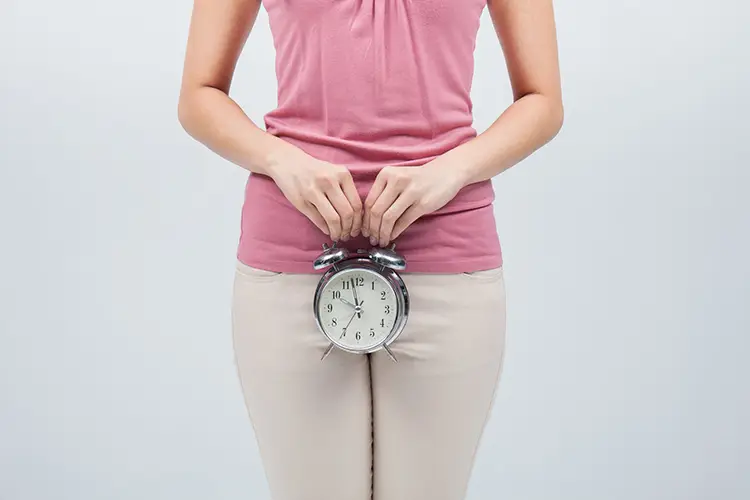
Menstrual Irregularity: Causes and Effective Treatment Methods
Take irregular periods seriously! Learn the causes, effective treatments, and expert advice now. Don't be late for your health!
Menstrual irregularity is a significant health problem that affects women's quality of life. Deviations from the menstrual cycle, which normally recurs regularly between 21 and 35 days, can be a sign of an underlying health problem. Therefore, a gynecological examination is the most important step in determining the source of the problem and treating menstrual irregularities.
What is Menstrual Irregularity?
It's when the menstrual cycle deviates from normal . This can manifest in the following ways:
- Menstrual bleeding starting too early or too late
- Bleeding is too heavy or too little
- Short or very long menstrual periods
- Having bleeding between periods
- No menstrual periods for months (amenorrhea)
Causes of Menstrual Irregularities
Irregular periods can have many different causes. The most common ones are:
- Hormonal Imbalances : changes in estrogen and progesterone levels, primarily.
- Polycystic Ovary Syndrome (PCOS) : Causes ovulation problems.
- Thyroid Diseases : Hypothyroidism or hyperthyroidism can affect menstrual cycles.
- Stress and Anxiety : The body can disrupt hormonal regulation under intense stress.
- Excessive Weight or Rapid Weight Loss : Changes in fat tissue affect hormones.
- Birth Control Methods : Use of the IUD or birth control pill.
- Problems Related to Reproductive Organs : Myoma, polyp or intrauterine adhesions.
- Menopause Period : Irregularities are common during perimenopause.
Diagnosis of Menstrual Irregularity: What Tests Are Performed, What Are They Checked For?
The gynecologist follows these steps to understand the causes of irregular menstrual periods :
- Listening to detailed medical history and complaints
- Gynecological examination
- Blood tests (hormone levels, thyroid function, etc.)
- Evaluation of the uterus and ovaries with ultrasound
- Further examinations (hysteroscopy, MRI) if necessary
Irregular menstrual cycles are a common health problem that many women experience at various stages of their lives. While a normal menstrual cycle lasts an average of 28 days, periods that vary between 21 and 35 days are considered normal. Irregularities occurring outside of this period should be taken seriously and appropriate treatment methods should be implemented.
Effective Treatment Methods for Menstrual Irregularities
The methods used to treat menstrual irregularities are planned based on the individual's age, general health, and underlying cause. The most common menstrual irregularity treatment methods are as follows.
Hormone Balancing Medications
One of the most common causes of irregular periods is hormonal imbalances. In this case:
- Birth control pills : They regulate hormone levels and ensure regular menstruation.
- Progesterone supplement : Used to treat menstrual problems due to progesterone deficiency.
- Estrogen therapy :It is preferred for irregularities in the pre- menopausal period.
Polycystic Ovary Syndrome (PCOS) Treatment
In PCOS patients:
- Drugs that reduce insulin resistance
- Treatments that support ovulation
- Weight control with diet and exercise programs
These methods play a major role in restoring menstrual regularity.
Treatment of Thyroid Disorders
Excessive (hyperthyroidism) or underactive (hypothyroidism) thyroid hormones affect the menstrual cycle. In this case:
- Thyroid hormone regulating drugs are used.
- Regular thyroid monitoring is performed.
When the thyroid is balanced, menstrual cycles return to normal.
Psychological Support and Stress Management
In stress-related menstrual irregularities, psychotherapy and stress-reducing lifestyle changes contribute to menstrual regularity by positively affecting the hormonal system.
Surgical Interventions
If there is an anatomical problem (such as a polyp, fibroid or cyst in the uterus):
- Hysteroscopy
- Laparoscopy
- Surgical procedures such as myomectomy or polypectomy may be performed.
After surgical treatment, menstrual patterns improve significantly.
Nutrition and Lifestyle Changes
- Healthy and balanced diet
- Do not exercise regularly
- Avoiding being underweight or obese
- Reducing smoking and alcohol consumption
These changes help maintain the hormone balance in the body naturally.
Things to Consider in the Treatment of Menstrual Irregularity
- Early diagnosis is crucial . While irregular periods may seem simple, they can be the first sign of serious illnesses.
- Self-medication is not recommended . Treatment should always be directed by a specialist.
- Regular monitoring is necessary . Hormone levels and response to treatment should be checked at regular intervals.
Exam and Appointment for Menstrual Irregularity Treatment
Magnet Hospital's Obstetrics and Gynecology Clinic employs an experienced team of physicians who utilize modern diagnostic and treatment methods. You can use the contact channels below to schedule an appointment and schedule a consultation for irregular periods.
Menstrual Irregularity Phone Appointment: 0 312 212 80 80 Click here for Menstrual Irregularity Online Appointment.
Frequently Asked Questions (FAQ)
Are herbal treatments good for menstrual irregularities?
Some herbal supplements (e.g. yarrow, chaste tree seed) may be supportive; a doctor should be consulted beforehand.
How long does it take to treat menstrual irregularity?
Depending on the underlying cause, the duration of treatment may vary from a few weeks to several months.
Is menstrual irregularity dangerous?
Prolonged menstrual irregularities can be a sign of serious underlying conditions (e.g., uterine cancer, thyroid problems). Therefore, it's essential to consult a specialist.
Can menstrual irregularity be treated?
Yes. Depending on the underlying cause, it can be successfully treated with medication, lifestyle changes, or surgery.
Does Stress Cause Irregular Menstrual Cycles?
Yes. Excessive stress can disrupt hormonal balance by affecting the hypothalamus and pituitary gland, which can lead to irregular menstrual periods.
How does Polycystic Ovary Syndrome (PCOS) cause irregular menstrual cycles?
PCOS affects ovulation, causing irregular or absent periods. Hormonal imbalances can also cause irregular bleeding.
Can women with irregular menstrual periods get pregnant?
Yes, those with irregular periods can get pregnant , but this can reduce the chances of pregnancy . Irregular periods are often linked to ovulation problems . When ovulation isn't regular, achieving the right timing for pregnancy becomes difficult.
Which doctor should someone who has irregular periods go to?
For menstrual irregularities, a Gynecologist should be consulted.
