


Magnesium Deficiency Symptoms, Causes and Management
What is magnesium? It's a mineral vital for proper body function and plays a role in many biochemical processes. It serves many important functions, from cell energy production and muscle and nerve function to immune system strengthening and bone health. However, due to modern eating habits and lifestyles, many people today are experiencing magnesium deficiency .
Symptoms of Magnesium Deficiency
Magnesium deficiency may initially present with mild symptoms. However, if left untreated, these symptoms become more pronounced over time. Because magnesium plays a key role in muscle relaxation, muscle spasms and cramps are common in cases of magnesium deficiency. Inadequate magnesium intake can also negatively impact energy production, leading to a persistent feeling of fatigue.
Nervous system problems are also closely linked to magnesium deficiency . Magnesium is essential for healthy nervous system function, and a deficiency can cause mood swings such as anxiety, depression, and irritability. Magnesium deficiency can also increase the frequency of headaches and migraines. Furthermore, low magnesium levels can cause heart rhythm disturbances and hypertension.
Causes of Magnesium Deficiency
There are many reasons why magnesium deficiency can occur. Among the most common are poor nutrition, intestinal problems, medication use, alcohol consumption, stress, and excessive physical activity.
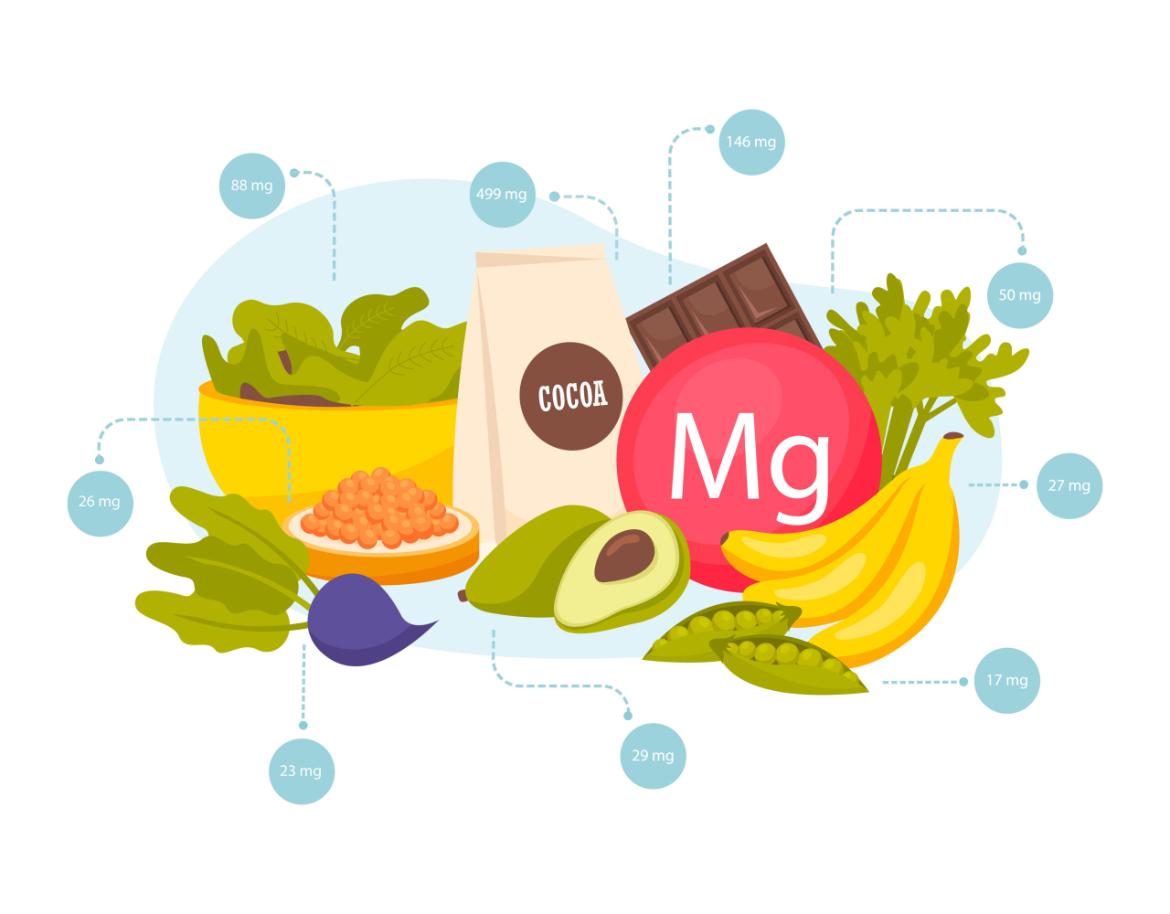
Increased consumption of processed foods and inadequate intake of healthy foods can reduce magnesium intake. Therefore, adding magnesium-rich foods like leafy greens, nuts, and whole grains to your diet can be effective in preventing magnesium deficiency.
Intestinal disorders such as Crohn's disease or celiac disease can also reduce magnesium absorption. Diarrhea caused by these conditions is another factor that reduces magnesium levels in the body. There are reports that some medications negatively affect magnesium levels. Therefore, it is extremely important to follow a doctor's guidance when using medications known to cause magnesium deficiency.
While excessive alcohol consumption is known to reduce magnesium absorption and lead to deficiency, intense stress and excessive physical activity are also reported to increase magnesium requirements. In these cases, magnesium levels should be closely monitored and maintained in balance.
Management of Magnesium Deficiency
Managing magnesium deficiency is quite easy when the right steps are taken. It's important to regularly consume magnesium-rich foods. Green leafy vegetables, nuts, seeds, whole grains, and legumes are magnesium-rich foods and should be included in the diet of individuals experiencing this deficiency.
Taking magnesium supplements, as recommended by a doctor, can help if you're deficient. However, it's crucial to consult a healthcare professional before using such supplements, as misuse or excessive use can lead to undesirable health problems.
Techniques such as yoga, meditation, or deep breathing exercises can be used to reduce magnesium deficiency caused by stress. These methods will help maintain balanced magnesium levels. Furthermore, in addition to limiting alcohol consumption, it's crucial to monitor magnesium levels through regular health checkups. This will allow you to take the necessary precautions against fluctuations in magnesium levels before they cause serious health problems.
Magnesium is a critical mineral for the body's proper functioning. Inadequate intake leads to many health problems. Symptoms such as fatigue, muscle cramps, and mood swings are the most typical indicators of magnesium deficiency, and factors such as poor nutrition, intestinal problems, and excessive stress can contribute to the deficiency. However, it is possible to maintain magnesium levels with a balanced diet and, when necessary, supplements. Adopting a healthy lifestyle reduces the risk of magnesium deficiency and has a positive impact on overall health. In this regard, seeking support from healthy nutrition and diet clinics to develop healthy eating habits can yield highly effective results.
