


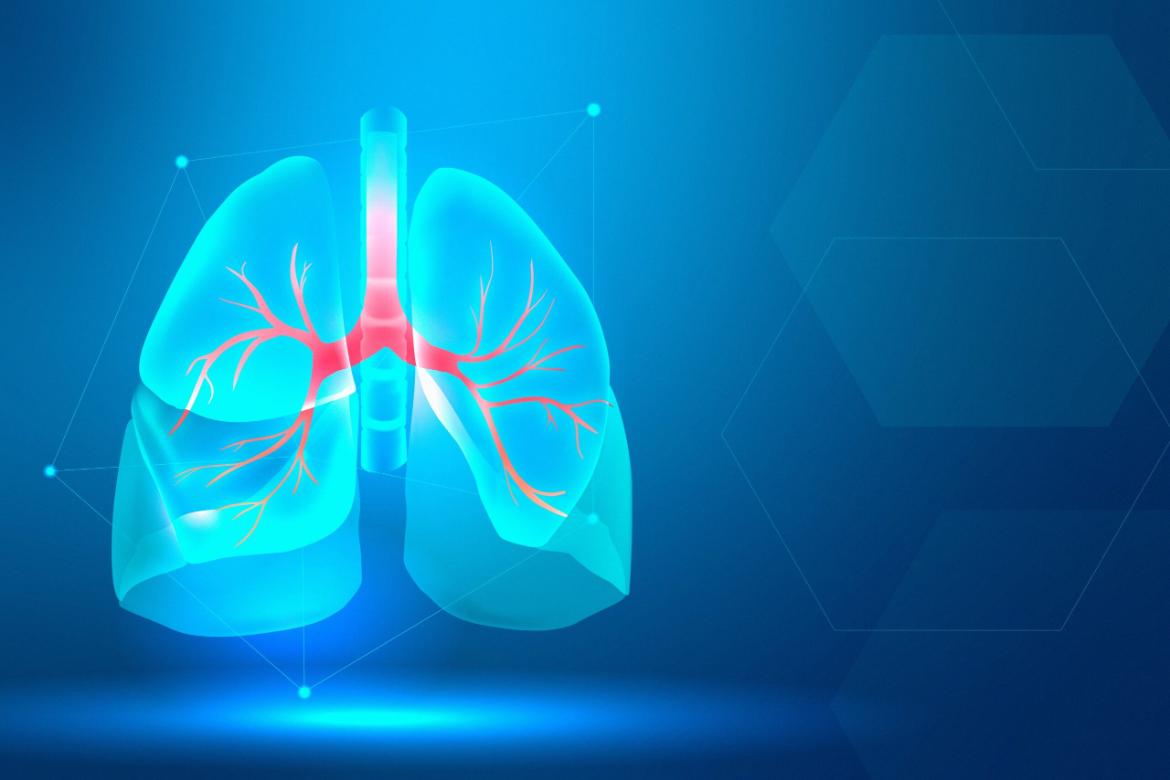
Lung Cancer
The lungs are a vital organ that allows the body to take in oxygen and expel carbon dioxide, which is considered a harmful waste.
Lung cancer occurs as a result of the uncontrolled proliferation of tissues and cells in the lung. This uncontrolled proliferation of tissues and organs is called lung cancer. These uncontrolled proliferation, known as tumor cells, can invade surrounding tissues or spread to organs outside the lungs (metastasize). According to data from the World Health Organization, lung cancer is the most common cancer worldwide and the leading cause of death. Lung cancer is the leading cause of death in men and the second most common cause of death in women. Although research has shown a strong link between smoking and lung cancer, 15% of cases occur in nonsmokers. Other causes of lung cancer are air pollution, radon gas, asbestos, and genetic predisposition. The incidence of lung cancer increases with age, with the most common age being between 50 and 70.
What are the Types of Lung Cancer ?
Lung cancers according to the type of cell that causes cancer:
- Squamous cell carcinoma
- Adenocarcinoma
- Large cell carcinoma
- Adenosquamous carcinoma
- Sarcomatoid carcinomas
- Neuroendocrine Tumors (Small cell carcinoma, others…)
Symptoms of Lung Cancer
Ninety percent of lung cancer patients present with symptomatic symptoms when they seek medical attention. These symptoms vary depending on whether the cancer is localized, metastatic, or widespread. Because the lung and bronchial system lack pain sensation, and because the cough, often the first symptom, is not experienced by smokers or patients exposed to smoke, lung cancer is often diagnosed in advanced stages. Developing symptoms may be due to local tumor growth, metastatic disease, or the indirect effects of non-metastatic cancer cells on other tissues in the body.
The Main Symptoms and Causes of Lung Cancer Are As Follows
Cough: This occurs in more than 75% of cases. It is caused by airway obstruction, infection, and pressure on lung tissue.
Weight loss: This symptom, seen in 68% of patients, is seen in advanced cancer and liver metastasis.
- Respiratory distress: This symptom, seen in 60% of patients, may occur due to obstruction of the large airways, fluid accumulation between the lung membranes called pleura, and paralysis of the diaphragm muscle.
- Chest pain: This complaint occurs in 50% of patients. Cancer cells may have spread to the chest wall or have attached to the nerves.
- Coughing up blood: This symptom occurs in approximately 25% of patients. It occurs when the airway is obstructed by the tumor.
- Bone pain: It is seen in 25% and indicates bone metastasis.
- Clubbing: The slow and painless development of clubbing, which occurs when the soft tissue at the tips of the fingers and toes swells and rounds due to decreased oxygen flow, suggests that it is not caused by lung cancer. However, the rapid onset and pain of these symptoms are among the symptoms of lung cancer. Hoarseness: This may be due to cancer affecting the vocal cords.
- Difficulty in swallowing: Difficulty in swallowing occurs as a result of pressure on the esophagus.
- Hearing a whistling sound while breathing: This indicates pressure on the main bronchus called the trachea.
- Palpable Mass on the Collarbone and in the Lymph Nodes
- Epilepsy: May occur as a result of metastasis to the brain.
- Pain on the right side of the abdomen due to liver involvement
- Back pain
To Which Organs Does Lung Cancer Spread?
Lung cancer progresses (metastasizes) in organs and tissues such as the brain, bone, liver, digestive system, the membrane surrounding the lungs, the pericardium, the adrenal gland, skin and soft tissue.
What Causes Lung Cancer?
Smoking: 80% of lung cancer patients have a history of smoking, and it is one of the leading factors that increases lung cancer risk. The risk of developing cancer is affected by the age of onset, duration of smoking, type of cigarette smoked (filtered, unfiltered, cigar, low tar and nicotine content, etc.), and the number of cigarettes smoked daily. It increases the risk of cancer 10-30 times compared to nonsmokers. Being a passive smoker, that is, being exposed to secondhand smoke, increases the risk of lung cancer by the same amount. Smoking has been directly linked to lung cancer at a rate of 90% in women and 79% in men. Quitting or abstaining from smoking does not completely eliminate the risk of cancer, but it does reduce it. (A smoking cessation clinic is available at Private Ankara Magnet Hospital.)
Environment: Industrial and environmental factors are important in the development of lung cancer. A link has been found between exposure to substances such as radon gas, asbestos, air pollution, radioisotopes, heavy metals, paints, and mustard gas and lung cancer.
Genetics: Hereditary factors are suggested to play a role in the development of lung cancer. If a family member has lung cancer, the risk of developing it increases 2.4-fold due to genetic transmission.
Viruses: People with HIV have a higher risk of developing lung cancer.
Radiation: Radiation coming directly to the body from any source can damage the lung tissue, causing deterioration of the structure of the bronchial cells and carcinogenesis.
How Does Lung Cancer Occur?
When cells in the respiratory tract are exposed to cancer-causing agents for a long time, mutations can occur in the lung bronchial cells. These chronic conditions can lead to cancer-causing changes in the cells through a series of mutations. Such mutated, abnormal cells can develop in anyone, but a competent immune system can recognize, eliminate, or repair these cells. When the organism finds a vulnerability in the immune system, these cells undergo rapid, uncontrolled proliferation, and cancerous masses form. As these changes and deterioration in the cells' biological structure develop, they acquire the ability to metastasize and begin to spread to other organs.
How is Lung Cancer Diagnosed?
Diagnosing lung cancer begins with a detailed medical history and physical examination. Additional laboratory tests and radiological examinations are required to confirm the diagnosis and evaluate conditions in the differential diagnosis. These radiological examinations include imaging procedures such as chest X-rays and/or CT scans. (These tests are performed at Private Ankara Magnet Hospital.)
Methods Used in Lung Cancer Diagnosis Are As Follows
- Lung X-ray (performed at Private Ankara Magnet Hospital)
- Lung tomography (performed at Private Ankara Magnet Hospital)
- Brain MRI
- PET-CT
- Bronchoscopy
- Biopsy procedures (performed at Private Ankara Magnet Hospital)
- Mediastinoscopy
- Thoracoscopy
How is Lung Cancer Treated?
When planning treatment, the tumor's cell type and its spread to other organs are taken into account. The location, stage, patient age, and other health issues are taken into account when making treatment decisions. Patients diagnosed early can live for many years after surgery. Chemotherapy and radiation therapy are used in treatment, based on the results of the tests performed. These treatment methods can be used in combination or alone, depending on the patient's condition and medical history.
What are the Stages of Lung Cancer?
Lung cancer is divided into four stages.
Stage 1: The tumor is only in the lung. The cancer is 5 cm or smaller and has not spread to the lymph nodes.
Stage 2: Although the cancer hasn't spread to the lymph nodes, it's found near the diaphragm or rib cage, which separates the chest and abdominal cavities. The mass size ranges from 5 to 7 cm. A tumor smaller than 7 cm, but cancer cells have spread near the lymph nodes or bronchi, is also considered stage 2 lung cancer.
Stage 3/A: Cancer cells have spread to the lymph nodes between the lungs or are seen near the trachea. If the cancer has not spread to the lymph nodes but has spread to organs such as the heart and trachea, it is considered stage 3/A.
Stage 3/B: The cancer cells are close to the lymph nodes in the middle of the chest, the heart, or the area where the trachea splits into two.
Stage 4: The disease has spread to other organs such as both lungs, liver, bones, adrenal glands, and brain.
Determining the stage of lung cancer is essential for treatment planning. If lung cancer is detected in the first or second stage and treatment is initiated promptly, the success rate of this treatment is very high. Tumor cells in the lung tissue can be removed surgically, and regular checkups and a preventive treatment program are planned and implemented according to the doctor's decision. If the disease is in the advanced stage, the doctor determines the appropriate treatment options, such as chemotherapy, targeted therapies, immunotherapy, and radiation therapy, based on the cell type and stage. (The patient's treatment is planned by specialist physicians at Private Ankara Magnet Hospital.)
What are the chances of treatment for lung cancer?
The course of lung cancer varies depending on the cell type of the tumor, the stage of the disease, the findings at diagnosis, the size of the tumor, and the rate and extent of disease spread.
In lung cancers diagnosed at an early stage, when no metastatic disease is observed, the vast majority have a chance of cure with surgery and, if necessary, complementary radiotherapy and chemotherapy. While significant advances have been made in treatment methods for advanced-stage disease, the likelihood of recurrence is higher. Long-term chemotherapy, targeted therapies, or immunotherapies can provide long-term control in these stages. However, due to the development of resistance to treatment and the risk of progression, periodic radiological follow-ups are necessary. Consequently, survival is higher in cancers diagnosed at an early stage and surgically resectable.
Frequently Asked Questions
What are the first symptoms of lung cancer?
- A persistent cough that gets worse
- Cough-related back pain
- Change in sputum color
- Bloody sputum
- Wheezing
- muffled voice
- Difficulty breathing
- Feeling of a lump in the throat
- Difficulty swallowing
- Frequent pneumonia and bronchitis
- Swelling in the neck and face areas
- Swelling of the fingertips and toes (clubbing)
- bone pain
- Anemia
- Drooping eyelids
- Constriction of the pupil
- Headache
- Loss of appetite
- Weight loss
- Weakness
- Fatigue
