


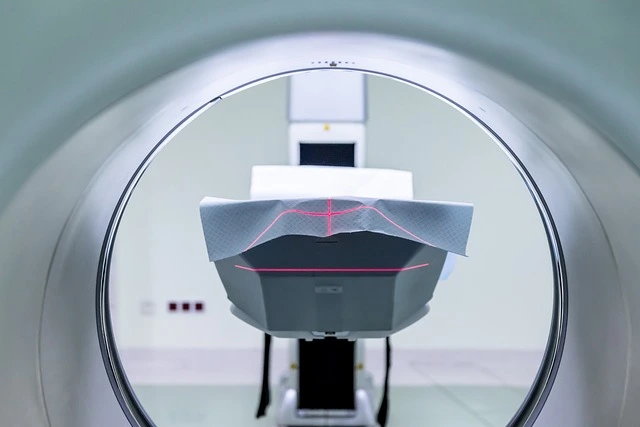
Lumbar MRI
Why Is a Lumbar MRI Important? What You Need to Know for Your Back Health
Low back pain is one of the most common health problems today and can be a symptom of many different conditions. A lumbar MRI , commonly known as a back MRI , is one of the most effective methods for identifying the exact cause of this pain and developing the right treatment plan.
Lumbar MRI (Lumbar MRI): Accurate Diagnosis and Effective Treatment of Lumbar Diseases
- Provides Detailed and Clear Imaging
Lumbar MRI images all structures in the lumbar region, such as the vertebrae, discs, spinal cord, nerve roots and connective tissues, in high resolution, allowing doctors to examine the area at the millimeter level.
Provides Early Diagnosis
A lumbar MRI can detect the early stages of disease even before symptoms progress. For example:
- Disc degeneration
- Mild nerve compressions
- Conditions such as inflammation can be detected at an early stage with MRI.
It is a safe method that does not involve radiation.
MRI does not use ionizing radiation. With this feature,
- Pregnant women (if necessary)
- In young and old individuals
- It can be preferred with peace of mind for patients who need frequent imaging.
Lumbar MRI Plays a Vital Role in Surgical Planning
- If the patient requires surgical intervention, Lumbar MRI shows the exact location and size of the hernia.
- Determines the pressure on the nerve roots
- Clarifies the scope and technique of surgery
Lumbar MRI is an indispensable imaging method for the diagnosis and treatment of lumbar disorders. Radiation-free, detailed tissue analysis, and early diagnosis provide reliable information for both patients and physicians.
What can be determined with a Lumbar MRI?
Lumbar MRI (Magnetic Resonance Imaging) is one of the most sensitive medical imaging methods that provides detailed images of structures in the lumbar region. It provides clear information on vital structures such as the spine, discs, nerves, and spinal cord . The main structures and diseases that can be clearly visualized with a lumbar MRI are as follows.
Discs (Disc Degeneration, Herniations)
The discs, which are cartilage structures located between the vertebrae:
- Level of wear (degeneration)
- Displacement (hernia) condition
- The pressure it puts on the nerves is clearly revealed in lumbar MRI images.
Spine and Spinal Canal
- Structural deterioration in the vertebrae
- Spinal curvatures (scoliosis, kyphosis)
- Spinal stenosis can be detected with high accuracy with MRI.
Nerve Roots and Spinal Cord
- Compression or pressure on nerve roots
- Edema, inflammation or tumor in the spinal cord
- Nerve damage: Nerves and spinal cord can be clearly seen in MRI, which is very valuable in diagnosing lumbar disc herniation, spinal stenosis, and nerve root diseases.
Connective Tissues and Muscles
- Injury to the muscles and connective tissues around the waist
- Inflammation, edema, or fiber tears can be easily visualized with a lumbar MRI , and muscle damage due to physical strain or trauma can also be diagnosed.
Signs of Inflammation and Infection
- Discitis (disc inflammation)
- Osteomyelitis (bone infection)
- Abscess formation
- Fluid accumulation and inflammation foci in soft tissues can be detected at an early stage.
Tumors and Masses
- Benign or malignant spine and spinal cord tumors
- The size, location and relationship of the lesion with the nerves are evaluated in detail with lumbar MRI .
Post-Operative Changes
In patients who have previously had surgery in the waist area,
- Tissue healing
- New hernia formation
- Conditions such as post-surgical scar tissue can be monitored with MRI.
Does Lumbar MRI Give Accurate Results?
Lumbar MRI allows for detailed examination of nearly every structure in the lumbar region. It provides the most accurate and reliable information for diagnosing and treating diseases related to the discs, nerves, spinal cord, and soft tissues. Lumbar MRI is often an indispensable tool for identifying the cause of back pain and guiding the right treatment path.
- Lumbar disc herniation MRI image, location of the hernia and the pressure it puts on the nerve,
- Spinal canal stenosis,
- Nerve root compressions,
- Spinal cord tumors,
- Fractures or soft tissue injuries due to trauma,
- Infections (discitis, osteomyelitis),
- Post-operative scar tissue and healing process can be clearly detected.
Lumbar Disc Herniation and MRI
One of the most frequently asked questions among the public is, " Can a herniated disc be detected on an MRI? " On MRI images of a herniated disc , it can be seen at the millimeter level whether the disc material is protruding and pressing on the nerve.
Advantages of Lumbar MRI
- It does not involve radiation – it is a safe method.
- Soft tissue clarity is very high.
- It provides early diagnosis.
- It is more sensitive and detailed than other imaging methods.
- Ideal for pre- and post-surgical evaluation.
Comparison of Lumbar MRI and Other Imaging Methods
| Feature | Lumbar MRI | X-ray | CT (Computed Tomography) |
| Soft Tissue Imaging | ✅ Perfect | ❌ Insufficient | Annoyed |
| Radiation | ✅ None | ❌ Yes | ❌ High |
| Neuroimaging | ✅ Clear | ❌ Invisible | Partially visible |
| Early Diagnosis | ✅ Yes | ❌ Difficult | Possible |
Why is a Lumbar MRI Necessary?
If you have persistent back pain, pain radiating to your legs, or numbness, your doctor may recommend a lumbar MRI . An MRI can pinpoint the source of your pain and help determine the most appropriate treatment for you.
Lumbar MRI provides a reliable roadmap for both the physician and the patient in the diagnosis and treatment process.
Magnet Hospital offers fast, reliable and comfortable service with same-day MRI .
Contact us: 0 312 212 80 80
Click here for online appointment .
April 2025
