


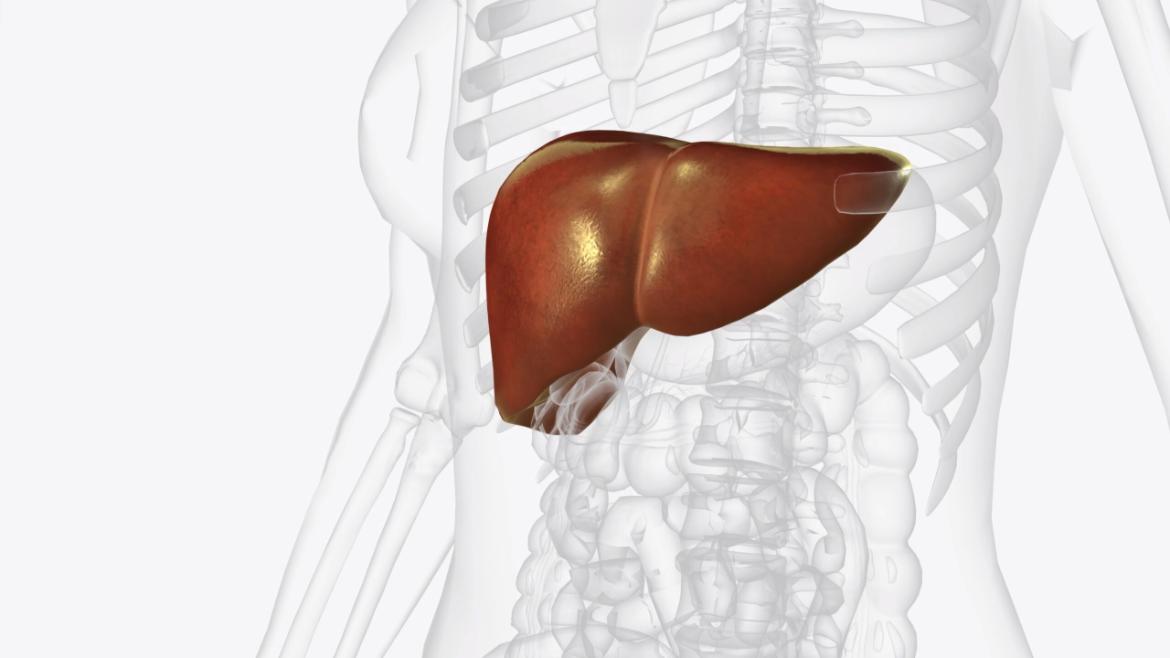
Liver Cyst
Liver cysts are fluid-filled sacs that form in the liver. They are usually benign and have a low risk of becoming cancerous. However, some cysts can grow and cause symptoms. If they grow or exhibit symptoms, intervention may be necessary, and they are usually removed surgically. Cysts are common worldwide and typically affect adults between the ages of 30 and 70. While cyst formation is usually silent, noticeable symptoms can occur in approximately 15% of cases.
Liver cysts can occur for a variety of reasons. Liver cysts can develop in babies at birth or in adulthood. While men are more likely to develop liver cysts, women are more likely to develop congenital liver cysts.
How Does a Liver Cyst Form?
- Congenital conditions: Some liver cysts may develop due to genetic factors present at birth. Conditions such as polycystic liver disease, in particular, can cause multiple cysts to form in the liver.
- Liver inflammations: Chronic liver infections or inflammatory diseases can cause damage to liver tissue, which can predispose to cyst formation.
- Liver injuries: Injuries or trauma to the liver can create spaces in the tissue, which can turn into fluid-filled cysts over time.
- Parasites: In rare cases, parasitic infections can lead to liver cyst formation. For example, hydatid cysts, caused by the parasite Echinococcus granulosus, can form in the liver.
- Cirrhosis or other liver diseases: Chronic liver diseases, especially conditions such as cirrhosis, can change the structure of liver tissue and lead to cyst formation.
- Hormonal factors: Certain hormones or hormonal changes can contribute to liver cyst formation. Women, in particular, may be at increased risk for cyst formation when experiencing hormonal changes.
The exact causes of liver cyst formation may not always be clear and may occur as a result of the interaction of many factors.
Liver Cyst Symptoms
Liver cysts are usually asymptomatic and are often discovered incidentally during screening or imaging tests. However, in some cases, enlarged or complicated cysts can cause symptoms. These symptoms include:
- Abdominal pain: As the cysts grow, pain or discomfort may occur in the liver or abdominal area.
- Abdominal swelling: Large cysts may cause a feeling of swelling in the abdominal area.
- Nausea and vomiting: Depending on the size of the cyst, digestive problems such as nausea and vomiting may occur.
- Loss of appetite: Large cysts or complicated cysts may cause loss of appetite.
- Weight loss: Weight loss may occur as a result of cysts growing or becoming complicated.
- Impaired liver function: In rare cases, large cysts can affect liver function and symptoms such as jaundice may occur.
- Feeling of pressure in the liver: As cysts grow, they can press on surrounding tissues and a feeling of pressure may occur in the liver area.
- Left shoulder pain: Large liver cysts can sometimes cause pain in the left shoulder because the relationship between the diaphragm and the liver can be affected in this way.
- Difficulty breathing: Large cysts can put pressure on the chest cavity, causing difficulty breathing.
These signs and symptoms may vary depending on the size, number, location and complications of the cysts.
What are the Types of Liver Cysts?
- Simple liver cysts: These are the most common type of liver cyst. They form as fluid-filled sacs. They are usually benign and harmless. These cysts typically do not cause any signs or symptoms. However, if they enlarge, they may cause symptoms such as abdominal pain or discomfort.
- Polycystic liver disease: In this condition, multiple cysts form in the liver. It is often associated with genetic factors, and cysts can also form in the kidneys.
- Cholestatic liver cysts: These cysts form due to bile accumulation due to obstruction of the bile ducts. These cysts can obstruct bile flow and cause jaundice.
- Parasitic cysts (hydatid cysts): These are cysts caused by the parasite Echinococcus granulosus. This parasite lives in the intestines of animals and can be transmitted to humans through the consumption of dog or sheep meat. Hydatid cysts can grow in the liver and cause serious health problems.
- Amebian liver cysts : These are cysts caused by an amoeba infection called amebiasis. This infection is usually transmitted through water or food and can lead to the formation of cysts in the liver.
- Cystic hematomas: These are cysts that form as a result of liver injury. They can occur as a result of blood accumulation and clotting following trauma or injury.
Each type of liver cyst can have different causes and effects. If you experience any liver cyst symptoms or concerns, it's important to talk to a healthcare professional.
How is a Liver Cyst Diagnosed?
Liver cysts are usually diagnosed through imaging studies and a physical examination. Common methods used to diagnose liver cysts include:
- Ultrasound (USG): This is a common and reliable imaging method. Ultrasound visualizes the internal structure of the liver and can detect cysts. It provides information about the size, shape, and number of cysts.
- Computed tomography (CT) scan: A CT scan is used to view liver cysts in greater detail. It can provide more information about the cyst's structure, size, and relationship to surrounding tissues.
- Magnetic resonance imaging (MRI): MRI is also used to evaluate liver cysts. This method provides more detailed images and can provide information about the type and characteristics of the cysts.
- Blood tests: Liver function tests may be used to assess the effect of cysts on liver function.
- Biopsy: In rare cases, doctors may perform a biopsy to determine the nature of the cyst. This can help determine whether the cyst is cancerous or noncancerous.
Cysts are often discovered incidentally during imaging tests and are usually benign and harmless. If a cyst is large, causing symptoms, or poses a risk of complications, your doctor may recommend further evaluation and treatment.
How is a Liver Cyst Treated?
Liver cyst treatment is determined by factors such as the cyst's size, type, whether it causes symptoms, and the patient's overall health. Most liver cysts are benign and harmless, so treatment is not necessary and only regular monitoring is recommended. However, large cysts, those causing symptoms, or those at risk of certain complications may require treatment. Liver cyst treatment options include:
- Regular follow-up: Small, benign, and asymptomatic cysts can usually be monitored regularly. Your doctor can monitor the size and condition of the cysts and intervene if necessary.
- Medication: In rare cases, medication may be used to control cyst growth or relieve symptoms. This treatment usually aims to provide symptomatic relief.
- Cyst drainage: For large cysts or those causing symptoms, doctors may perform drainage. This procedure drains the fluid inside the cyst with a special needle or catheter. However, drainage can cause the cysts to return.
- Sclerotherapy: In this procedure, a sclerosing agent is injected into the cyst. This substance destroys the cyst wall and prevents fluid accumulation.
- Surgical intervention: Surgical intervention may be preferred for large or complicated cysts. Cysts can be surgically removed or complications such as bile duct obstruction can be corrected. Laparoscopic or open surgery may be used.
- Hydatid cyst treatment: Hydatid cysts caused by parasites can cause serious health problems. Treatment is usually a combination of surgery and antiparasitic medications.
Treatment options are determined by the patient's specific situation. Your doctor will recommend the best treatment approach based on the type and size of the cyst and your health status.
What Happens If a Liver Cyst Is Left Untreated?
Most liver cysts are benign and harmless, so they don't usually cause serious health problems if left untreated. However, in some cases, if left untreated or with large and complicated cysts, certain risks can arise:
- Increasing symptoms: Large or complicated cysts may cause symptoms over time. These symptoms may include abdominal pain, bloating, loss of appetite, nausea, and weight loss.
- Compression: Growing cysts can put pressure on surrounding tissues. As they grow, they can put pressure on surrounding organs or the bile ducts, affecting their function.
- Liver function may be affected: Large cysts can affect liver function. Liver function can be impaired, particularly if the cysts block the bile ducts or compress liver cells.
- Risk of infection: Because cysts are filled with fluid, there is a risk of infection. An infected cyst can lead to more serious health problems.
- Bile duct obstruction: Cysts can block the bile ducts, preventing bile flow. This can cause jaundice (yellowing of the skin and eyes).
- Cyst rupture: In rare cases, large cysts can burst or rupture. This can cause fluid within the cyst to spill into the abdominal cavity, increasing the risk of infection.
- Cancer Risk: Most liver cysts are benign, but in rare cases, they can be cancerous. Therefore, doctors may carefully monitor the cysts to assess their nature and potential risks.
Generally, most liver cysts do not lead to serious complications if left untreated. However, if symptoms, growth, or complications are present, it is important to treat them according to your doctor's recommendations.
What are the ways to prevent liver cysts?
Liver cysts are usually spontaneous and often unrelated to genetics or other significant risk factors. Therefore, it may not be possible to completely prevent liver cysts. However, some healthy lifestyle habits and precautions can help reduce potential risks:
- Healthy diet: Maintaining a balanced and healthy diet can help maintain overall health. Excessive weight gain should be avoided, especially given the link between obesity and liver health.
- Limit alcohol consumption: Excessive alcohol consumption can negatively impact liver health and increase the risk of certain liver diseases.
- Pay attention to hygiene rules: To avoid parasitic cysts, it's important to follow cleanliness and hygiene rules. Washing your hands, especially after contact with animals like dogs or sheep, and paying attention to food safety are essential.
- Health checkups: Attending routine health checkups regularly can help identify potential health problems early.
- Medication use and risky behaviors: It's important to get vaccinated when necessary or take appropriate precautions to prevent infections, especially against viral infections. Avoiding sharing needles or risky sexual behaviors is also important for maintaining liver health.
- Follow your doctor's instructions: If you have previously been diagnosed with liver problems or are at risk, it is important to follow your doctor's advice and keep up with regular checkups.
It's important to remember that most liver cysts are benign and harmless. However, if you have any health concerns or symptoms, it's important to get accurate information and guidance by speaking with a healthcare professional.
