


Lichen Planus
Lichen planus is an inflammatory skin disease that affects various parts of the body. The lesions typically cause an itchy rash. The lesions are not necessarily permanent; they can wax and wane over time. The average recovery time for this condition is approximately two years. In some cases, recurring flares can occur. Lichen planus can leave dark patches on the skin after healing, but these patches may disappear on their own over time.
This disease typically affects various parts of the body, including the mouth and genitals. Rarely, it can also affect nails and hair follicles. Lichen planus is non-infectious and therefore not contagious. It can occur at any age, but most cases typically occur in individuals between the ages of 30 and 60.
Lichen Planus Causes
Although the exact cause of lichen planus is unknown, it is thought to be related to environmental factors and autoimmune disorders. Factors that may contribute to the disease include:
- Genetic predisposition
- Emotional stress
- Hepatitis C infection
- Possible allergic reactions to mercury fillings used in dental treatment
- Some drugs used to treat malaria , hypertension, diabetes and heart diseases
- Some diuretic drugs
- Some antibiotics
Lichen Planus Symptoms Above Form
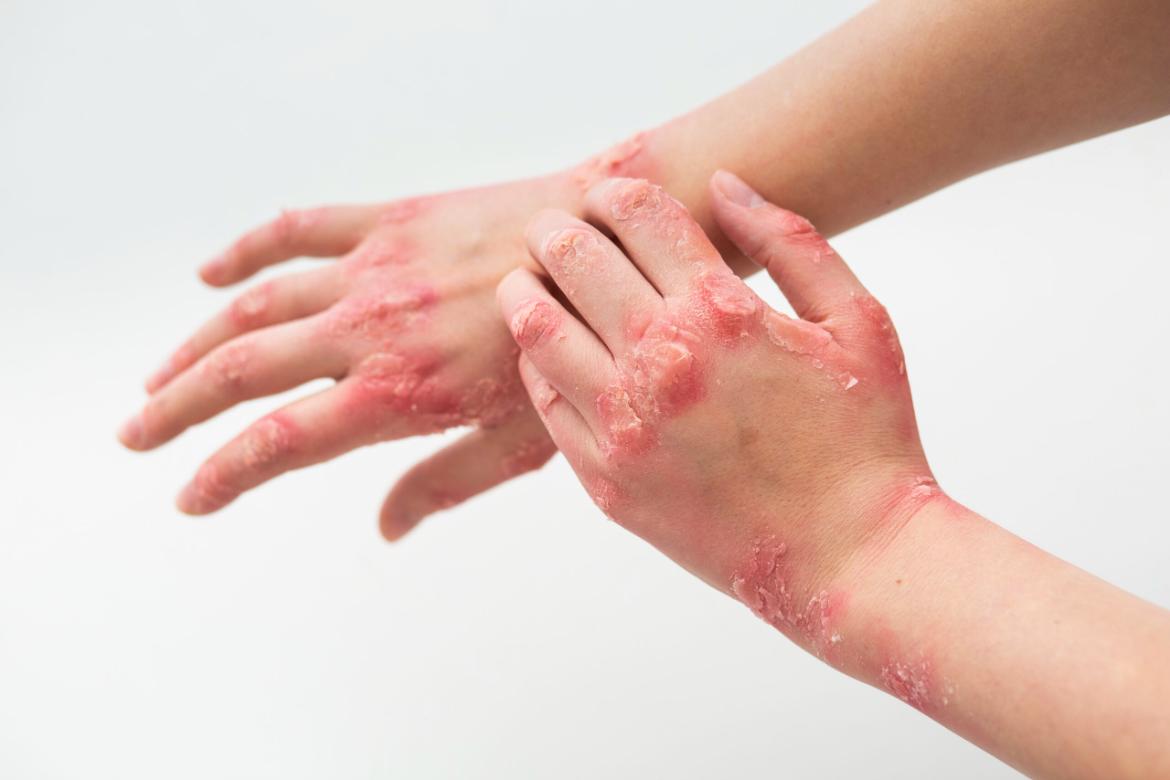
Lichen planus is characterized by the formation of numerous shiny, raised lesions, usually 3-5 mm in size. These small bumps can coalesce to form larger clusters. The disease usually has a symmetrical distribution across the body, but sometimes it can be localized to specific areas. Lichen planus typically occurs in areas where the skin itches or rubs against clothing, such as the wrists, ankles, elbows, and lower back. Therefore, patients should wear comfortable clothing and protect their skin from irritants.
Symptoms of the disease may include:
- Clusters of bright, raised, scaly, purple-red spots on the skin
- Thin white lines in the lesions
- White spots on the tongue, gums , or inside of the cheeks
- Burning and stinging sensation in the mouth while eating
- Severe itching on the scalp and hair loss in areas with lesions
- Nail damage; thinning, peeling
- Intense itching, especially at night
- Painful red spots in the genital area
How Is Lichen Planus Diagnosed?
Lichen planus is typically easily diagnosed by dermatologists. In some cases, it is known that medications used for high blood pressure, malaria, diabetes, and infectious diseases can also cause the condition. Therefore, it is important to report all medications to your doctor when consulting; this can facilitate diagnosis.
Lichen planus is diagnosed based on the patient's symptoms, medical history, physical examination, and, if necessary, the results of laboratory tests. Laboratory tests may include:
- Biopsy : Taking a skin sample from the lesion area and examining it under a microscope.
- Hepatitis C test: Some scientific research suggests that the hepatitis C virus may trigger lichen planus. Your doctor may order a hepatitis C test to confirm a diagnosis and evaluate treatment options.
- Allergy tests: Allergens are thought to play a significant role in the development of lichen planus. Therefore, various allergy tests may be performed to identify the allergens that may be triggering the disease.
How is Lichen Planus Treated?
There is no known specific treatment for lichen planus. The general goal of treatment is to relieve symptoms and accelerate the healing of skin lesions. Lichen planus can occur in different areas of the body, so treatment protocols may vary for each patient.
Lichen planus is generally a long-lasting condition, and oral lesions can last longer and be more severe. While the disease is not cancerous, treatment monitoring and regular follow-up are important. Some medications and methods used in the treatment of lichen planus include:
- Corticosteroids: These are one of the first-line options for treating lichen planus. They can be applied in the form of a cream or ointment. If these aren't effective, your doctor may prescribe corticosteroid pills or injections.
- Antihistamines: Can be used in cases of severe itching. They can reduce itching and prevent the formation of new lesions.
- Phototherapy: Phototherapy, also known as PUVA (Psoralen Ultra-Violet A), is an effective method for clearing lichen planus lesions. Ultraviolet light is used, which only affects the upper layers of the skin. Phototherapy sessions are determined by the patient's skin type and complexion.
Who Gets Lichen Planus?
Lichen planus is a skin condition that can affect anyone, but certain risk factors can increase the likelihood of developing the condition. Lichen planus typically occurs in middle-aged adults and occurs with similar frequency in men and women. Additionally, the following conditions or factors may increase the risk of developing lichen planus:
- Family history: Genetic predisposition is thought to increase the risk of developing lichen planus.
- Immune system problems: People with weak immune systems or autoimmune diseases may be more likely to develop lichen planus.
- Stress: Emotional or physical stress can trigger the disease or exacerbate symptoms.
- Certain medications: Certain medications, especially a few medications such as antihypertensive drugs, painkillers, antibiotics, and antimalarials, can trigger lichen planus.
- Other diseases: Certain infections or autoimmune diseases, such as hepatitis C, may also increase the risk of lichen planus.
However, these factors do not guarantee that a particular person will develop the disease; they may simply increase the risk. The disease often develops due to the interaction of multiple factors, with no specific cause identified. Treatment and management focus on relieving and controlling the symptoms.
What are the Types of Lichen Planus?
Lichen planus is a skin disease that can appear in various areas of the skin and mucosa, with varying patterns and forms. Symptoms and lesions can vary depending on the type of disease and the affected area. Lichen planus can be classified according to its types and characteristics as follows:
According to its shape:
- Linear lichen planus: It is a rare form and usually spreads unilaterally.
- Annular lichen planus: It progresses in the form of ring-shaped lesions.
According to the anatomical region where it occurs:
- Oral Lichen Planus: It is a form that affects the mucosal areas in the mouth.
- Ocular Lichen Planus: It is a form that can occur on the eyelids.
- Genital Lichen Planus: It is seen in the genital area, on the head of the penis in men and in the external genital area in women.
- Inverse lichen planus: It is usually seen as a color change in the armpit and under the breast.
- Nail Lichen Planus: It is a form that occurs in the form of thinning, pitting or protrusion of the nails.
According to its structural features:
- Hypertrophic lichen planus: It is a form that frequently occurs in the areas between the groin and the knee, creating raised lesions.
- Atrophic lichen planus: It is a form that appears as hard and small lesions.
- Follicular lichen planus: It is a form that occurs on the scalp and creates lesions in the form of purple circular structures.
- Actinic lichen planus: A form associated with sun exposure and more common in dark-skinned individuals.
- Bullous lichen planus: It is a form that creates large blisters on existing lesions.
- Lichen Planus Erythematosus: It is a form that is redder and creates smaller lesions than other types of lichen.
Lichen Planus Syndrome is also a form associated with the immune system and usually presents as a rash. This form can sometimes occur with lupus.
Is Lyme Planus Contagious?
No, lichen planus is not a contagious disease. Lichen planus is not generally contagious from person to person. It is a skin condition caused by a combination of factors such as genetic predisposition, various environmental factors, and immune system conditions. This disease is not associated with a contagious microbe or virus, but rather with a condition related to the body's own immune system. Therefore, it is not a disease that can be transmitted from one person to another through contact or through the air. However, while the exact cause of its occurrence is unknown, it is believed to be related to the immune system.
Which Department Should You Visit for Lichen Planus?
Individuals with symptoms of lichen planus should consult a dermatologist to diagnose and treat the condition. Dermatologists are doctors who specialize in the skin and its diseases and specialize in diagnosing and treating skin conditions such as lichen planus. Therefore, it is best to consult a dermatologist when you notice symptoms of lichen planus. Your doctor will evaluate your symptoms, make a correct diagnosis, and recommend appropriate treatment options. Regular checkups may also be recommended to monitor the disease's progress and guide treatment.
