


Leukoplakia
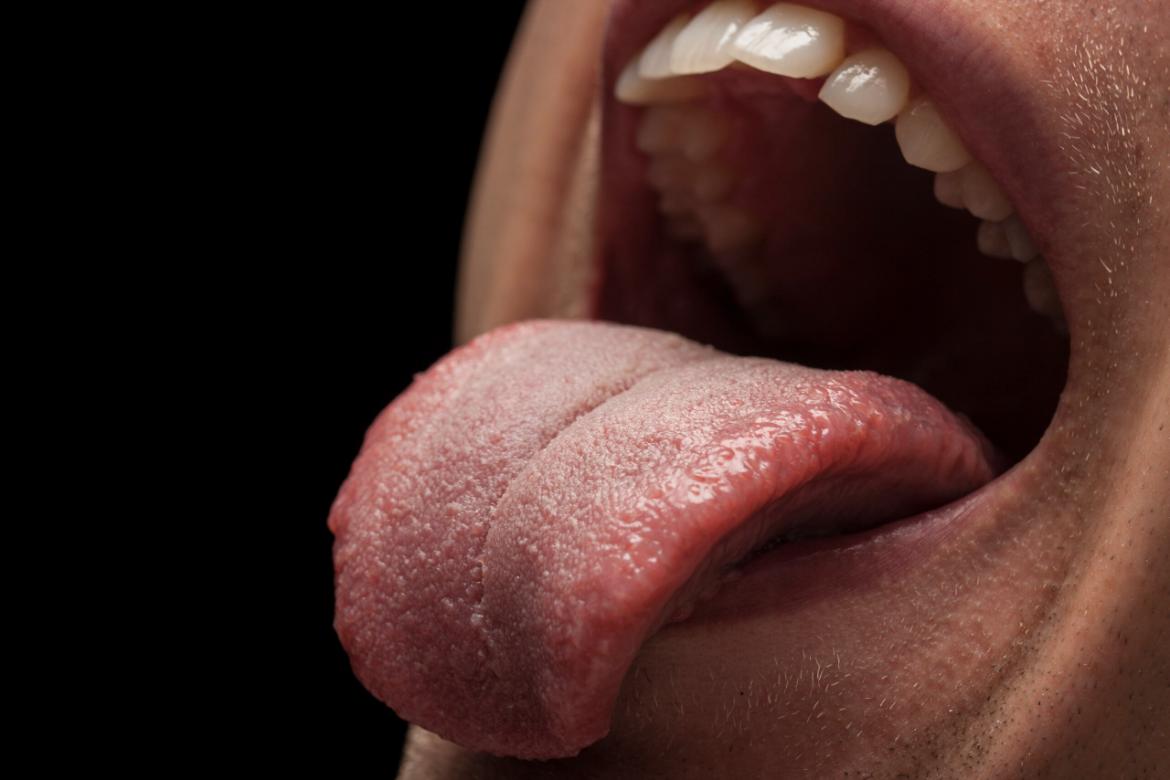
Leukoplakia is an oral health condition characterized by thickened, white or gray patches that appear on the gums, cheeks, or under the tongue unless they are cleaned. Tobacco products, particularly cigarette smoking, are the most common cause of leukoplakia, and the condition can increase the risk of oral cancer. These lesions, when present in the mouth for a long time, can lead to serious health problems. Therefore, it is recommended to consult a dentist or specialist if you notice symptoms of leukoplakia.
What are the types of leukoplakia?
Leukoplakia can present in different forms depending on its formation. It is generally divided into two main types: homogeneous and non-homogeneous.
- Homogeneous leukoplakia: Homogeneous leukoplakia are sores that appear as flat white patches. The surface of these patches can be generally smooth or sometimes ridged or wrinkled. Generally considered benign, homogeneous leukoplakia does not usually progress to oral cancer and is more common.
- Non-uniform leukoplakia: Non-uniform leukoplakia can appear in various odd shapes, and the patches may have rough surfaces. This type of leukoplakia can sometimes appear white or red and may have a higher risk of developing into oral cancer.
In addition to these types, there are also subtypes of leukoplakia:
- Proliferative verrucous leukoplakia (PVL): This type of leukoplakia has a risk of developing into oral cancer. It can appear as small white spots on the tongue, gums, and soft tissues and tend to grow.
- Oral hairy leukoplakia: Appears as white, curvy patches and is generally not prone to cancer. It most often develops on the tongue and is particularly common in individuals with HIV/ AIDS or the Epstein-Barr virus.
If any of these types are noticed in the mouth, it is important to consult a specialist doctor and initiate the necessary treatment.
What are the symptoms of leukoplakia?
Leukoplakia symptoms typically manifest as raised or swollen sores inside the mouth that vary in appearance. These sores can vary from person to person, and symptoms of leukoplakia may include:
- White, gray, or red spots inside the mouth
- Flat or irregular wounds
- Thickened or hardened spots in certain areas
- Swollen, red lesions with precancerous changes
- Irritation on the inside of the cheeks
If you notice any of these symptoms, it's important to consult a specialist and undergo the necessary testing and evaluation. These symptoms can be used to assess the presence and severity of leukoplakia. Regular checkups are also important so that the specialist can guide you toward early diagnosis and treatment.
What causes leukoplakia?
Leukoplakia, which develops as sores inside the mouth, is usually caused by irritation of the mucous membranes. Furthermore, tobacco products, especially cigarettes, can irritate the oral tissues and trigger the development of leukoplakia. Some factors that can cause leukoplakia include:
- Rough or sharp-edged teeth that rub against their surfaces inside the mouth
- Broken dentures or not fitting into the mouth
- Long-term alcohol and tobacco use
- Conditions that affect the immune system, such as diseases such as the Epstein-Barr virus or HIV
These factors can irritate oral tissues, leading to the appearance of white lesions like leukoplakia. However, the exact causes of leukoplakia are unknown. Therefore, when certain conditions or persistent lesions are observed, it is important to consult a specialist and undergo an examination. This allows steps to be taken to ensure a correct diagnosis and treatment of leukoplakia.
How is leukoplakia diagnosed?
A specialist doctor can diagnose leukoplakia by examining white lesions in the mouth. The examination typically includes examining the lesions' appearance, size, color, and other characteristics. They will also listen to the patient's symptoms and evaluate possible causes for the lesions.
The doctor may observe for irritation of oral structures, such as those caused by the use of dentures or prosthetics. A biopsy may also be performed to monitor the progression of the lesion and confirm the diagnosis. A biopsy allows examination of the underlying tissue of the leukoplakia, ensuring a definitive diagnosis. This method can also determine whether the lesion is cancerous. A biopsy is a crucial step in confirming the diagnosis and is essential for proper treatment planning. It is important to consider your doctor's recommendations and the results of any tests performed during this process.
How is leukoplakia treated?
The focus of leukoplakia treatment is to eliminate the underlying irritant. If the condition is determined to be caused by factors such as gum-damaging plaque or ill-fitting dentures, the goal is to address these issues. At the same time, any irregularities or problem areas on the teeth can be repaired or corrected if necessary.
Leukoplakia is generally a harmless condition and may improve within a few weeks or months after the irritant is removed. However, if this approach is ineffective or the lesion progresses, surgical removal may be necessary. Surgical options may include scalpel removal, laser treatment, or cryotherapy.
On the other hand, if leukoplakia is associated with smoking, quitting smoking or avoiding tobacco products may support the treatment process. In any case, it is important to consult a specialist to determine and implement the most appropriate leukoplakia treatment method.
What are the ways to prevent leukoplakia?
To reduce the risk of leukoplakia, you can take the following precautions:
- Go to the dentist for regular checkups and take care of your oral health.
- Don't smoke or use tobacco products. Smoking and tobacco can increase the risk of leukoplakia.
- Limit alcohol consumption or avoid it if possible. Alcohol can cause mouth irritation.
- Avoid using harsh teeth whitening products or aggressive mouthwashes.
- If you experience any discomfort due to fillings, veneers, braces, or dentures, consult your dentist.
- Avoid very hot drinks, as excessive heat can irritate oral tissues.
- Avoid foods with sharp edges, such as hard candies. These foods can damage oral tissues.
- Adopt a healthy eating habit and include plenty of fruits and vegetables in your diet.
These measures can help reduce the risk of leukoplakia by maintaining the health of your oral tissues. However, it's always important to consult a professional if you experience any oral lesions or changes.
Does leukoplakia recur?
Because leukoplakia usually develops due to irritation or another cause, it tends to recur after healing. If leukoplakia was caused by an irritating habit or allergen and is corrected, the likelihood of recurrence may be reduced. However, the likelihood of recurrence may increase if ongoing irritation to oral tissues, tobacco use, or other potential irritants persist.
Taking preventative steps and minimizing the conditions that cause leukoplakia can reduce the risk of recurrence. However, it is important to seek evaluation and consultation from a healthcare professional for any oral changes or lesions. A professional diagnosis and appropriate treatment can better manage potential recurrences.
Is leukoplakia cancer?
Leukoplakia is a condition that often appears as white or gray sores inside the mouth. Leukoplakia itself is not cancer, but it can sometimes be a precancerous condition. These white lesions can indicate certain conditions that can develop into cancer.
Leukoplakia is often linked to smoking or other tobacco use, which can increase the risk of oral cancer. These white lesions inside the mouth should be monitored by a doctor because they may be cancerous over time.
While the likelihood of leukoplakia progressing to cancer is low, such lesions should be taken seriously and promptly evaluated by a healthcare professional. Your doctor can assess your condition through recommended tests and, if necessary, initiate treatment.
