


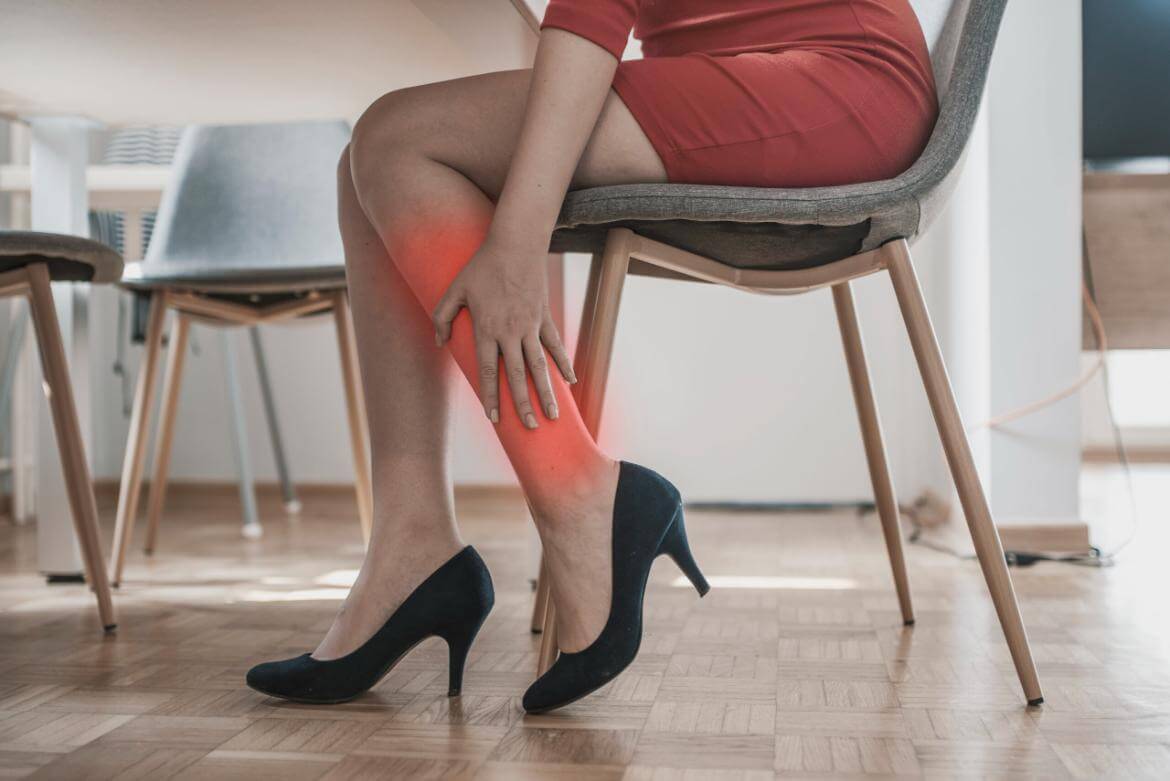
Leg Pain Causes, Symptoms and Treatment Methods
Leg pain is a common and quite distressing health problem. There are many factors that can cause leg pain. Leg pain can arise for a variety of reasons, from muscle fatigue and joint discomfort to nerve compression and vascular problems. It can affect anyone, regardless of age, gender, or physical condition.
What Causes Leg Pain?
One of the most common causes of leg pain is musculoskeletal problems. Factors such as strenuous physical activity, prolonged inactivity, or excessive strain can strain muscles, leading to leg pain. A herniated disc or spinal problems can also compress the nerves leading to the legs, causing pain. This type of pain is usually temporary and subsides after rest but worsens during activity.
Existing vein problems are also a significant cause of leg pain. Varicose veins, in particular, are a condition resulting from poor blood circulation and can cause pain, swelling, and discomfort in the legs.
Another factor contributing to leg pain is nerve-related pain. Nerve-related pain typically begins in the lower back and radiates down the legs. Compression of the sciatic nerve, the body's largest nerve, causes sharp pain that radiates from the lower back down the legs. Nerve damage, a common condition in diabetics, can also cause leg pain and can cause numbness and tingling.
Leg pain can also be caused by infection and inflammation. Bone inflammation or bacterial infections in the muscles are significant causes of leg pain and require immediate treatment. Inflammatory rheumatic diseases such as rheumatoid arthritis or lupus, which are caused by the immune system attacking its own tissues, can also cause leg pain.
Symptoms of Leg Pain
The symptoms of leg pain, which many people experience at some point in their lives, can vary depending on the cause, severity, and the affected area. For example, muscle pain is usually felt locally throughout the body, while pain caused by nerve compression can originate in the lower back and radiate down the leg. Leg pain caused by vascular problems is accompanied by symptoms such as warmth, swelling, and discoloration in the leg. Leg pain should never be ignored. If leg pain becomes persistent, severe enough to wake you up at night, or is accompanied by additional symptoms such as numbness, loss of strength, and swelling, it's essential to consult a specialist.
Treatment Methods for Leg Pain
Treatment for leg pain varies depending on the source of the pain. Therefore, accurate diagnosis is crucial before beginning treatment. The most common treatments for leg pain can be listed as follows:
Rest and Physical Therapy
One of the most effective treatments for leg pain caused by muscle fatigue is rest. Light exercises, walking, and stretching can help relieve pain by strengthening muscles. Specialized exercise programs prescribed by physical therapists can reduce pain by increasing muscle flexibility and providing support to joints.
Drug Therapy
Painkillers, muscle relaxants, or anti-inflammatory medications may be recommended for muscle and nerve pain. Blood thinners may be used for pain caused by vascular problems. Medication should always be used as prescribed and in accordance with a doctor's recommendations.
Surgical intervention
In some cases, especially those caused by blocked blood vessels, varicose veins, or nerve compression, surgery may be necessary. Surgery may be performed to relieve nerve compression caused by conditions such as a herniated disc.
Lifestyle Changes
To prevent leg pain , regular exercise, maintaining a healthy weight, and avoiding prolonged standing or sitting are also crucial. Avoiding smoking and maintaining a healthy diet also have positive effects on vascular health.
Leg pain is a health problem that can arise for various reasons and negatively impact daily life. Understanding the cause of leg pain is crucial for determining the appropriate treatment. Consulting a specialist is essential, especially if the pain is persistent and severe. During the treatment process, methods such as rest, exercise, and, when necessary, medication can be beneficial. Adopting a healthy lifestyle and seeking medical help are crucial for preventing leg pain.
