


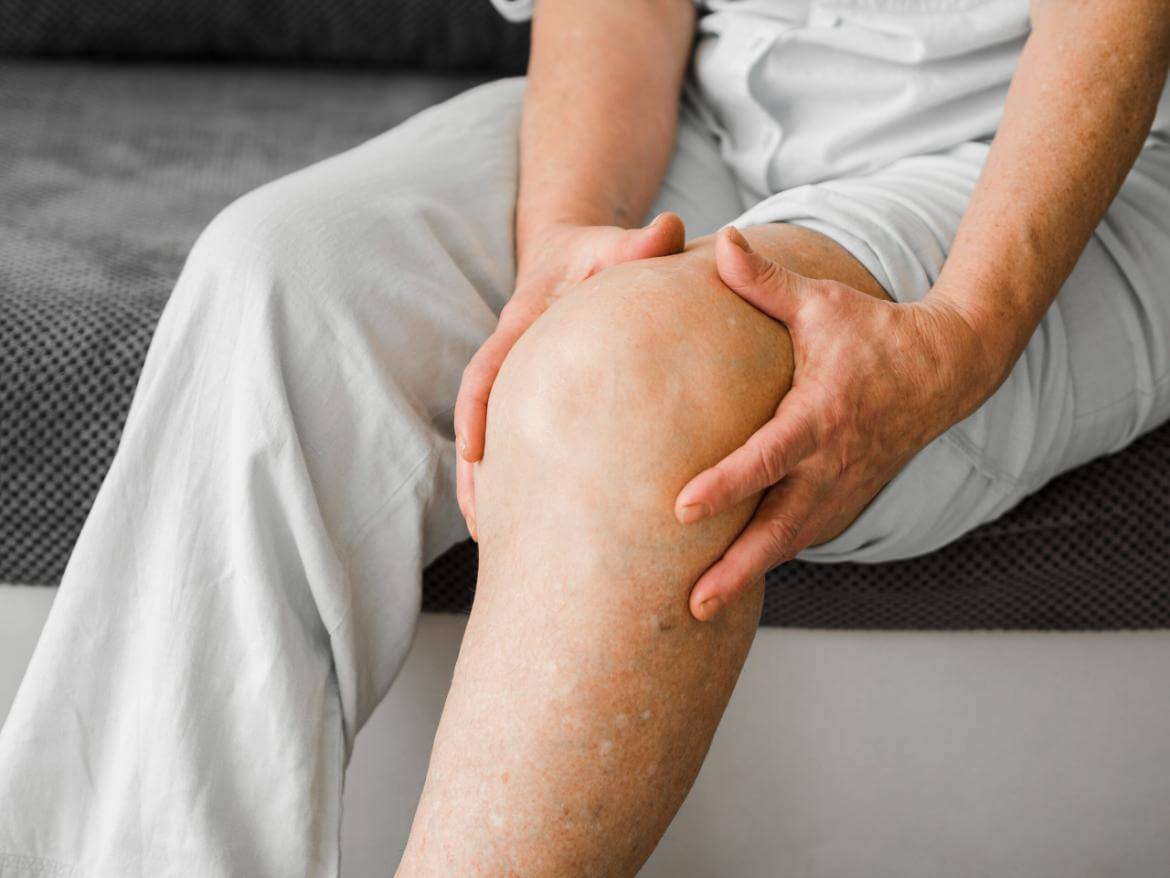
Knee Dehydration: Symptoms, Causes, and Treatment
Knee dehydration is generally defined as a decrease in the natural fluid in the knee and can be caused by a variety of problems. Osteoarthritis and aging are among the most common causes of dehydration. This occurs when the amount of fluid within the joint decreases, which can cause pain and limited movement.
Loss of synovial fluid in the knee means the structure of synovial fluid is disrupted and its functionality is reduced. Synovial fluid contains water and hyaluronic acid, which protect and lubricate the joint. However, changes in the amount and composition of this fluid can occur due to aging or certain joint diseases.
Synovial fluid helps nourish cartilage by facilitating proper joint movement. However, a loss of synovial fluid in the knee increases friction on the joint surface, which can lead to cartilage damage and pain. This condition, which develops due to aging or certain joint diseases, can negatively impact knee joint functionality and mobility.
There are various methods for treating knee fluid loss. Early intervention can protect cartilage health and prevent more serious complications. Therefore, it is important to consult a qualified healthcare professional when symptoms appear.
Symptoms and diagnostic signs of dehydration in the knee
Symptoms of dehydration in the knee are generally directly related to a decrease in fluid within the joint or changes in its structure. This can affect the functionality of the knee joint and cause a variety of symptoms. Dehydration in the knee is more common in individuals who engage in active sports and in older adults. Symptoms of dehydration in the knee include:
- Pain and swelling after movement: Dehydration in the knee can cause intense pain and swelling, especially after activity.
- Morning stiffness and stiffness: Fluid loss in the knee joint can lead to stiffness and stiffness in the joint in the morning.
- Abnormal sounds: Dehydration in the knee can cause abnormal sounds during joint movements and crackling sounds when sitting or standing.
- Increased pain and strain: Increased pain and strain may be felt with movements such as climbing stairs, running, or bending the knee.
- A feeling of being stuck and increasing pain: Fluid loss in the knee can cause a feeling of being stuck in the joint and increasing pain during movement.
- Edema formation: Decreased synovial fluid amount can lead to edema formation in the joint area.
All of these symptoms are potential indicators of knee fluid loss. Early intervention is crucial for maintaining joint health and preventing more serious complications. Therefore, it's important to contact a healthcare professional when these symptoms occur.
Effective treatment methods for dehydration in the knee
Effective treatments for dehydration in the knee include various approaches implemented under the supervision of a doctor. These treatment methods can be listed as follows:
- Medication: Anti-inflammatory medications and pain relievers can be used under the supervision of a doctor to treat dehydration in the knee. These medications can help control pain and swelling by reducing inflammation.
- Physiotherapy exercises: Physiotherapy exercises are important for reducing immobility and pain. Specific exercise programs directed by a specialist physiotherapist can alleviate problems caused by dehydration in the knee.
- Diet and weight management: A low-calorie, healthy diet and weight management can help relieve symptoms by reducing pressure on the knee.
- Hyaluronic acid injections: Hyaluronic acid injections can be used to treat fluid loss in the knee. These injections increase joint lubrication, allowing for ease of movement.
- Antibiotic and steroid injections: In cases of infection, antibiotics prescribed by a doctor may be used. Steroid injections may also be used to reduce inflammation caused by arthritis.
- Surgery: In more advanced cases and when other treatments have proven ineffective, surgery may be necessary. This involves surgery to correct joint problems.
- Vitamin and mineral supplements: Vitamin and mineral supplements can be used with a doctor's recommendation to support joint health.
Treatment for knee dehydration should be personalized to the individual's specific situation. It's important to consult with a qualified healthcare professional before beginning any treatment.
What are the factors that cause fluid loss in the knee?
Dehydration in the knee can be caused by a variety of factors and can negatively impact joint health. The primary factors associated with dehydration include:
- Obesity : Obesity can accelerate fluid loss by placing extra stress on the knee joint. This can increase pressure on the joint and trigger wear and tear.
- Aging : As we age, joint structures can wear down and fluid production can decrease, leading to knee fluid loss.
- Genetic predisposition: A family history of knee fluid loss may increase an individual's susceptibility to this condition.
- Wrong exercise: Exercises that tire the knee joints or are performed incorrectly can create stress on the joints and trigger fluid loss.
- Injury or trauma: Injury or trauma to the knee can disrupt the joint structure and lead to fluid loss.
- Nutritional factors: Inadequate intake of nutrients required for knee fluid production may accelerate fluid loss.
- Water consumption: Not consuming enough water can negatively affect joint health by disrupting the fluid balance in the body.
Dehydration in the knee can lead to problems such as joint wear and tear, limited mobility, and pain. Therefore, lifestyle changes and appropriate treatment methods are important to prevent or treat these factors.
Causes and prevention of dehydration in the knee at a young age
Knee fluid loss in young people is often associated with an active lifestyle. Strenuous sports, sudden movements, and strenuous physical activities can put excessive pressure on the knee joint, leading to fluid loss. Knee fluid loss is more common in young people who participate in high-intensity sports that require constant knee movement. Furthermore, exercises that do not adequately prepare the joint through inadequate warm-ups and stretching exercises can contribute to this problem.
To prevent knee fluid loss at a young age and maintain joint health, it is important to pay attention to the following factors:
- Regular exercise: Appropriate exercise programs can strengthen joints and reduce fluid loss. However, exercise should be done in moderation, with proper technique and adequate rest.
- Warm-up and stretching exercises: It is important to do adequate warm-up and stretching exercises before every sport to protect joint health.
- Healthy lifestyle: A sedentary lifestyle should be avoided. Maintaining a healthy weight can also reduce the strain on your knees.
- Balanced diet: Nutrition is an important factor influencing joint health. Adequate calcium, vitamins, and mineral intake should be ensured.
- Hydration: Drinking enough water is important to maintain fluid balance in the joints.
Preventing dehydration in the knee at a young age is critical for maintaining joint health later in life. These measures can help minimize problems related to dehydration in the knee in young people.
Natural and non-surgical treatment methods for dehydration in the knee
Natural, non-surgical treatments for dehydration in the knee can help relieve pain and support joint health. The answer to the question of what helps with dehydration in the knee lies in natural ingredients with anti-inflammatory properties. Here are some natural methods for treating dehydration in the knee without surgery:
- Turmeric and black cumin: Known for their anti-inflammatory effects, turmeric and black cumin may help relieve joint pain. There's some evidence that these natural herbs are effective in supporting joint health.
- Collagen and glucosamine supplements: Collagen and glucosamine supplements, which support bone and cartilage structure, can alleviate pain and discomfort associated with dehydration in the knee. These supplements can help promote joint health.
- Omega-3 fatty acids: Omega-3 fatty acids, such as fish oil, may be effective in reducing inflammation and may help maintain joint health.
- Drink plenty of water: Water helps maintain fluid balance in the body and supports joint health. Paying attention to daily water intake can reduce dehydration in the knee.
- Vitamin D-rich foods: Vitamin D supports bone health. Adequate intake from sunlight and foods containing vitamin D can positively impact joint health.
- Foods containing antioxidants: Foods containing antioxidants, such as onions and garlic, can reduce inflammation and support joint health.
Before beginning any natural treatment methods, it's important to consult with a healthcare professional to determine the appropriate treatment. Natural treatments are generally not a substitute for medical treatments, but they can be used as a supplement.
What happens if dehydration in the knee is not treated?
If dehydration in the knee is left untreated, a number of adverse effects can occur. Here are the potential consequences:
- Joint damage: Dehydration in the knee can cause increased friction and wear on the joint surfaces. Over time, this can lead to joint damage.
- Increased pain: As friction in the joint increases and cartilage wears away, the individual may experience increased pain. This can make daily activities more difficult and reduce quality of life.
- Decreased mobility: Dehydration in the knee can limit joint movement. This can lead to decreased mobility and difficulty performing daily activities.
- Loss of joint stability: Dehydration in the knee can reduce joint stability. This can cause an individual to feel unsteady and increase the risk of falling.
- Decreased quality of life: Prolonged untreatment of dehydration in the knee can affect overall quality of life. Pain, limited movement, and difficulty with daily activities can negatively impact a person's quality of life.
Therefore, it's important to have your knee evaluated and treated by a qualified healthcare professional when you notice signs of dehydration. Early intervention is crucial for maintaining joint health and preventing more serious complications.
