


Insulin Resistance Test (HOMA-IR)
One of the terms we hear frequently in health today is insulin resistance . This condition, which plays a significant role in the development of type 2 diabetes, is a hormone that acts as the body's response to insulin. However, when insulin resistance develops, the body's cells cannot use insulin effectively. This can lead to high blood sugar and, in the long run, serious health problems like diabetes and heart disease.
One of the most effective ways to understand insulin resistance and begin treatment in the early stages is through an insulin resistance test . This test helps determine a person's level of insulin resistance by measuring the effectiveness of insulin in the body.
Insulin resistance is when the body's cells become insensitive to insulin. Normally, insulin transports blood sugar into cells and provides energy. However, when insulin resistance develops, cells fail to receive these signals, causing blood sugar levels to rise higher than normal. The body produces more insulin to compensate. Over time, the pancreas may be unable to maintain this excess production, and blood sugar levels begin to rise uncontrollably. This can lead to metabolic diseases such as type 2 diabetes.
The primary causes of insulin resistance include genetic factors, obesity , a sedentary lifestyle, unhealthy eating habits, and stress. People with a family history of diabetes are at higher risk of developing insulin resistance. Furthermore, being overweight makes it harder for the body to use insulin effectively.
What is an Insulin Resistance Test?
An insulin resistance test measures insulin and glucose levels in a person's blood to determine how effectively insulin is functioning in the body. One of the most common insulin resistance tests is based on a calculation method called "Homa-IR" (Homeostasis Model Assessment of Insulin Resistance). This test assesses the risk of insulin resistance by examining blood sugar and insulin levels.
Why is an Insulin Resistance Test Performed?
The HOMA-IR test is used to determine insulin resistance and assess whether individuals are at risk for health problems such as diabetes or metabolic syndrome. Insulin resistance, particularly in the pre-diabetic stage, often presents no symptoms and progresses silently. This test helps detect insulin resistance early and enables the necessary preventative measures. The HOMA-IR test can be used to detect insulin resistance in individuals with health conditions such as obesity , polycystic ovary syndrome, or hypertension. It is also recommended that individuals with a family history of insulin resistance undergo this test. Based on the test results, personalized treatment and diet plans can be developed.
How to Test for Insulin Resistance?
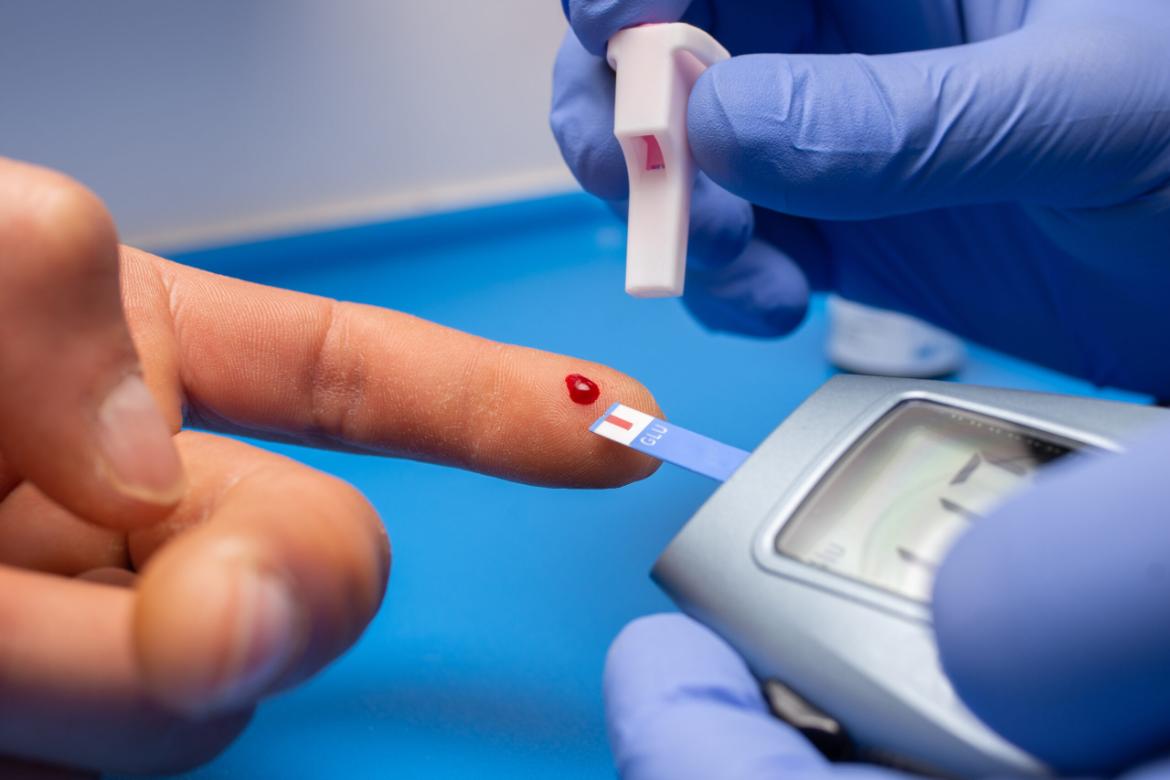
Insulin resistance testing is usually performed by taking a blood sample. Patients must be fasting for this test.
- Fasting Blood Glucose : This indicates a person's fasting blood sugar level. High levels may indicate insulin resistance.
- Fasting Insulin Level : The hormone insulin helps regulate blood sugar levels. High insulin levels may indicate insulin resistance.
- Homa-IR Calculation : This calculation is derived from a combination of fasting blood glucose and insulin levels. If the Homa-IR value is above a certain threshold, there may be a risk of insulin resistance.
In some cases, doctors may also order a glucose tolerance test (GTT) or oral glucose tolerance test (OGTT). These tests measure a person's blood sugar level after they drink a specific amount of sugary drink and assess how their insulin responds.
Why is Insulin Resistance Testing Important?
Insulin resistance usually doesn't cause any symptoms. However, over time, it can lead to more serious health problems. Testing allows for early detection and preventative measures. Another important point is that insulin resistance can be a precursor to type 2 diabetes. Therefore, this test is an important tool for identifying people at risk for diabetes. Furthermore, insulin resistance increases the risk of heart disease and stroke. Therefore, insulin resistance tests play a critical role in cardiovascular health. Based on the test results, a person can manage insulin resistance through lifestyle changes such as healthy eating, exercise, and weight control.
Insulin resistance testing is an important way to detect potential health problems early. This test provides insights into a person's blood sugar levels and the effects of insulin. Early diagnosis makes a significant difference in preventing serious health problems such as diabetes and heart disease. A healthy lifestyle is the most effective way to manage and control insulin resistance. If you are at risk for insulin resistance, you can undergo the necessary testing at Özel Magnet Hospital . Contact us now to receive the most accurate information about appropriate treatment options.
