



Hypothyroidism
Hypothyroidism is a condition in which the thyroid gland does not produce sufficient thyroid hormone. The thyroid gland, located in the front of the neck, plays an important role in regulating metabolism and bodily functions. Thyroid hormones control many processes in the body, including energy production, heart rate, temperature regulation, protein synthesis, and nervous and digestive functions.
Hypothyroidism occurs when levels of the thyroid hormones thyroxine (T4) and triiodothyronine (T3) are lower than normal. This results in a lower metabolic rate, decreased energy production, and effects on many organs and systems.
Hypothyroidism Symptoms
These are symptoms that occur when the thyroid gland fails to produce sufficient thyroid hormone. These symptoms can vary from person to person and can vary in severity. Common symptoms of hypothyroidism include:
- Fatigue and weakness: Due to the slowing down of metabolism in the body, a person may constantly feel tired and lacking in energy.
- Sensitivity to cold: Thyroid hormones help regulate body temperature. In hypothyroidism, body temperature can drop, making a person more sensitive to cold.
- Dry skin and hair: Thyroid hormones affect skin and hair health. Insufficient thyroid hormone levels can cause dry, scaly skin and brittle hair.
- Forgetfulness and difficulty concentrating: Hypothyroidism can also affect brain function and lead to problems with memory, focus, and concentration.
- Muscle aches and weakness: Thyroid hormones help muscles function properly. Insufficient thyroid hormone can cause muscle aches and weakness.
- Constipation: Thyroid hormones affect the digestive system. Hypothyroidism can cause slow bowel movements and constipation.
- Depression and mood swings: Thyroid hormones also affect emotional well-being and mood. Hypothyroidism can cause a person to feel depressed and experience mood swings.
- Appetite changes: In some people, hypothyroidism may cause an increase in appetite, while in others it may cause a decrease in appetite.
- Menstrual irregularities: In women, hypothyroidism can cause irregularities in the menstrual cycle and menstrual problems.
Hypothyroidism symptoms can vary from person to person, and sometimes they can be subtle, so it's important to see a doctor for diagnosis. If hypothyroidism is suspected, a doctor can perform the necessary tests to make a correct diagnosis and initiate appropriate treatment.
Causes of Hypothyroidism
It's a condition in which the thyroid gland doesn't produce enough thyroid hormone. This can have various causes. Common causes include:
- Hashimoto's thyroiditis: Hashimoto's thyroiditis is an autoimmune disease and one of the most common causes of hypothyroidism. The immune system attacks thyroid cells in the body, reducing thyroid function and inhibiting thyroid hormone production.
- Treated Graves' disease: Graves' disease is an autoimmune disease in which the thyroid gland produces too much thyroid hormone. While medications or radioactive iodine used to treat this condition can correct overactive thyroid, they can sometimes lead to extremely low thyroid hormone levels.
- Surgical removal of the thyroid gland: Surgical removal of the thyroid gland due to thyroid cancer, large thyroid nodules, or certain thyroid diseases can lead to hypothyroidism.
- Radiotherapy: Radiotherapy to the neck or head can affect the function of the thyroid gland, leading to hypothyroidism.
- Radioactive iodine therapy: Radioactive iodine used in the treatment of thyroid cancer can destroy thyroid cells and reduce thyroid hormone production.
- Congenital hypothyroidism: It is a hypothyroidism condition that occurs as a result of the dysfunction or inadequate development of the thyroid gland during infancy.
- Thyroiditis: Thyroiditis, which occurs as a result of inflammation of the thyroid gland, can lead to temporary or permanent hypothyroidism.
- Iodine deficiency: Iodine is the primary building block of thyroid hormones. Iodine deficiency can negatively impact thyroid hormone production and lead to hypothyroidism.
Hypothyroidism can occur for a variety of reasons and, if left untreated, can have negative effects on metabolism and body functions. It's important to consult a doctor for diagnosis and appropriate treatment.
Who is at Risk for Hypothyroidism?
Some people are more at risk for hypothyroidism than others. Some risk factors include:
- Gender: Women are at higher risk for hypothyroidism than men. This risk may be particularly high after menopause.
- Age: Advancing age may increase the risk of hypothyroidism.
- Family history: Individuals with family members who have hypothyroidism or other thyroid disorders are at increased risk. Genetic predisposition is an important factor in the development of thyroid disorders.
- Autoimmune diseases: Autoimmune diseases are conditions in which the body's immune system targets its own tissues. Autoimmune thyroid diseases, such as Hashimoto's thyroiditis, are a risk factor for hypothyroidism.
- History of radiotherapy or thyroid surgery: After radiotherapy or thyroid surgery to the neck or head area, thyroid functions may be affected and hypothyroidism may develop.
- Iodine deficiency: Iodine is the primary building block of thyroid hormones. People living in areas with iodine deficiency may be at risk of hypothyroidism.
- Radioactive iodine therapy: Radioactive iodine used in thyroid cancer treatment can destroy thyroid cells and cause hypothyroidism.
- Pregnancy: Thyroid hormone requirements increase during pregnancy. If the thyroid gland cannot meet this increased demand, hypothyroidism may develop during pregnancy.
- Other thyroid problems: Other thyroid problems, such as thyroid nodules or thyroiditis, can increase the risk of hypothyroidism.
What are the Types of Hypothyroidism?
Primary hypothyroidism
This type of hypothyroidism results from problems with the thyroid gland itself. The most common cause is an autoimmune thyroid disease known as Hashimoto's thyroiditis. Inflammation of the thyroid gland destroys thyroid tissue, preventing adequate thyroid hormone production.
Secondary Hypothyroidism
Secondary hypothyroidism results from problems in the pituitary gland, which sends signals to the thyroid gland. The pituitary gland's release of thyroid-stimulating hormone (TSH) decreases or stops, inhibiting the thyroid gland's function.
Tertiary Hypothyroidism
Tertiary hypothyroidism results from problems with the hypothalamus gland. The hypothalamus produces a hormone called thyroliberin, which controls the release of TSH to the pituitary gland. When the hypothalamus malfunctions, signals to the thyroid gland are not properly transmitted, resulting in decreased thyroid hormone production.
Congenital Hypothyroidism
Hypothyroidism is present at birth or during infancy. Babies need thyroid hormones immediately after birth because these hormones are vital for normal growth and development. Congenital hypothyroidism occurs when the thyroid gland is absent or dysfunctional at birth and requires early diagnosis and treatment.
Hypothyroidism Due to Iodine Deficiency
Hypothyroidism occurs due to insufficient iodine intake, a component of thyroid hormones. Iodine deficiency can affect the thyroid gland's hormone production, leading to hypothyroidism. Iodine deficiency is generally a nutritional issue and may be more prevalent in certain regions.
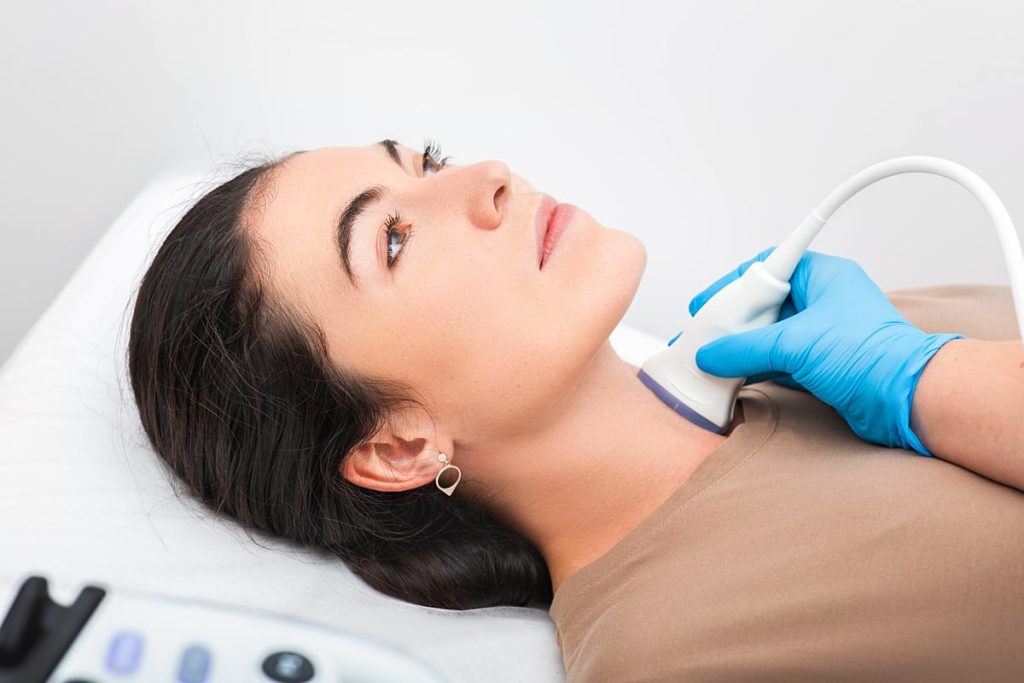
How Is Hypothyroidism Diagnosed?
Various methods and tests are used to diagnose hypothyroidism. Below are some of the most commonly used methods for diagnosing hypothyroidism:
History and physical examination: Your doctor will evaluate the possibility of hypothyroidism based on the patient's symptoms and medical history (history). The physical examination will also check the size and consistency of the thyroid gland.
Thyroid function tests: Thyroid function tests are used to measure thyroid hormone levels. The most common tests include:
- Thyroid-stimulating hormone (TSH) test: The level of TSH in the blood reflects the activity of the pituitary gland, which regulates the thyroid gland. A high TSH level indicates that the pituitary gland is trying to produce more TSH when thyroid hormone levels are low.
- Thyroxine (T4) and triiodothyronine (T3) tests: Free T4 and T3 levels directly reflect the thyroid gland's production of hormones. Low T4 and T3 levels indicate hypothyroidism.
Thyroid antibody tests: These tests are performed to detect autoimmune thyroid diseases that target the thyroid gland. Autoimmune thyroid diseases, such as Hashimoto's thyroiditis, can cause hypothyroidism, and antibody tests can help identify such conditions.
Ultrasound : Ultrasound can be used to examine the structure of the thyroid gland. This imaging method can help detect thyroid nodules or an enlarged thyroid gland.
Radioactive iodine uptake test: A radioactive iodine uptake test can be used to evaluate thyroid function using radioactive iodine absorbed by the body.
Biopsy : A needle biopsy (fine-needle aspiration) may be performed on suspicious thyroid nodules. This procedure helps determine whether the nodule is cancerous or noncancerous.
Diagnosing hypothyroidism is based on symptoms, laboratory tests, and imaging studies. Accurate diagnosis and appropriate treatment are crucial for alleviating hypothyroidism symptoms and preventing complications.
How is Hypothyroidism Treated?
Hypothyroidism treatment includes treatment methods that correct thyroid hormone deficiency and ensure adequate thyroid hormone levels in the body. Hypothyroidism treatment is generally lifelong. Common hypothyroidism treatment methods include:
- Thyroid hormone replacement therapy: This treatment is used to replace the body's missing thyroid hormones. Levothyroxine, a synthetic T4 hormone, is usually used. Levothyroxine replaces thyroid hormones in the body, regulating metabolism and other body functions. The dosage is individualized based on the individual's age, weight, thyroid hormone levels, and other health conditions.
- Dosage adjustment and monitoring: Once treatment begins, your doctor will regularly monitor your thyroid hormone levels and adjust the dosage as needed. Regular monitoring is important to ensure your thyroid hormone levels remain within the normal range.
- Regular checkups with your doctor: It's important to have regular follow-up appointments with your doctor throughout your hypothyroidism treatment. Your doctor will evaluate your symptoms, monitor your thyroid hormone levels, and adjust your treatment if necessary.
- Nutrition and iodine supplementation: Iodine deficiency is a contributing factor to hypothyroidism. Iodine supplementation may be recommended for individuals living in iodine-deficient areas. Additionally, a healthy diet can have positive effects on thyroid function.
- Managing other health conditions: Certain diseases, medications, or other health conditions can affect thyroid hormone levels. When treating hypothyroidism, it's important for your doctor to consider your other health conditions and provide appropriate treatment.
Hypothyroidism treatment is individualized, and the treatment plan is tailored to the patient's symptoms, thyroid hormone levels, age, and other health conditions. Adherence to treatment is crucial for managing symptoms and maintaining a healthy lifestyle.
How Should Hypothyroidism Be Dieted?
Nutrition plays a key role in the treatment of hypothyroidism. A healthy, balanced diet can help the thyroid gland function properly and maintain optimal levels of thyroid hormones. Here are some recommended nutrition tips for hypothyroidism:
- Iodine intake: Iodine is the main building block of thyroid hormones. It's especially important for people living in iodine-deficient areas to ensure they consume iodine-containing foods. Iodine-rich foods include seafood, iodized salt, and iodine-fortified dairy products.
- Reduced refined sugar and processed foods : Processed foods and foods high in refined sugar can disrupt thyroid hormone balance and negatively impact metabolism. Instead, focus on whole grains, vegetables, fruits, and healthy fats.
- Foods that affect thyroid function: Certain foods are known to affect thyroid function. Therefore, limiting or moderating these foods may be important for some people. For example, soy and soy products can reduce the absorption of thyroid hormones. It's important to consult your doctor before consuming these foods.
- Protein-containing foods: Protein is important for the synthesis of thyroid hormones and plays a role in many processes in the body. Therefore, adding protein-rich foods to your diet can be beneficial. Eggs, fish, chicken, red meat, legumes, and dairy products are all sources of protein.
- Fiber-rich foods: People experiencing digestive issues, such as constipation due to hypothyroidism, should add fiber to their diet. Whole grains, fruits, vegetables, and adequate water intake can help regulate the digestive system.
- Selenium intake: Selenium plays an important role in the metabolism of thyroid hormones and the regulation of thyroid function. Selenium-rich foods include Brazil nuts, fish, seafood, walnuts, and chicken.
Each individual's nutritional needs are different, and it is important to approach hypothyroidism treatment on an individual basis.
What Happens If Hypothyroidism Progresses?
Hypothyroidism can lead to serious health problems if left untreated or not properly managed. As hypothyroidism progresses, the following adverse effects can occur:
- Slowed metabolism : A lack of thyroid hormones causes a slowed metabolism, which can lead to weight gain and decreased energy levels.
- Cardiovascular health: Hypothyroidism can affect cardiovascular health by decreasing heart rate.
- Depression and mood swings: Thyroid hormones contribute to brain functions that affect mood and emotional state. Hypothyroidism can be associated with depression, anxiety, irritability, and other mood swings.
- Skin and hair problems: Hypothyroidism can cause skin and hair problems such as dry skin, itching and hair loss.
- Muscle and joint problems: Insufficient thyroid hormones can cause problems such as muscle aches, weakness and joint stiffness.
- Menstrual irregularities and fertility problems: In women, hypothyroidism can affect the menstrual cycle and cause fertility problems.
- Congenital hypothyroidism: If hypothyroidism is left untreated during pregnancy, the normal development of the baby can be affected and a congenital thyroid hormone deficiency, known as congenital hypothyroidism, can occur.
As hypothyroidism progresses, symptoms can become more severe and complications can increase. Therefore, it is important for people with suspected or diagnosed hypothyroidism to attend regular checkups with their doctor, receive appropriate treatment, and adhere to their treatment plan.
