


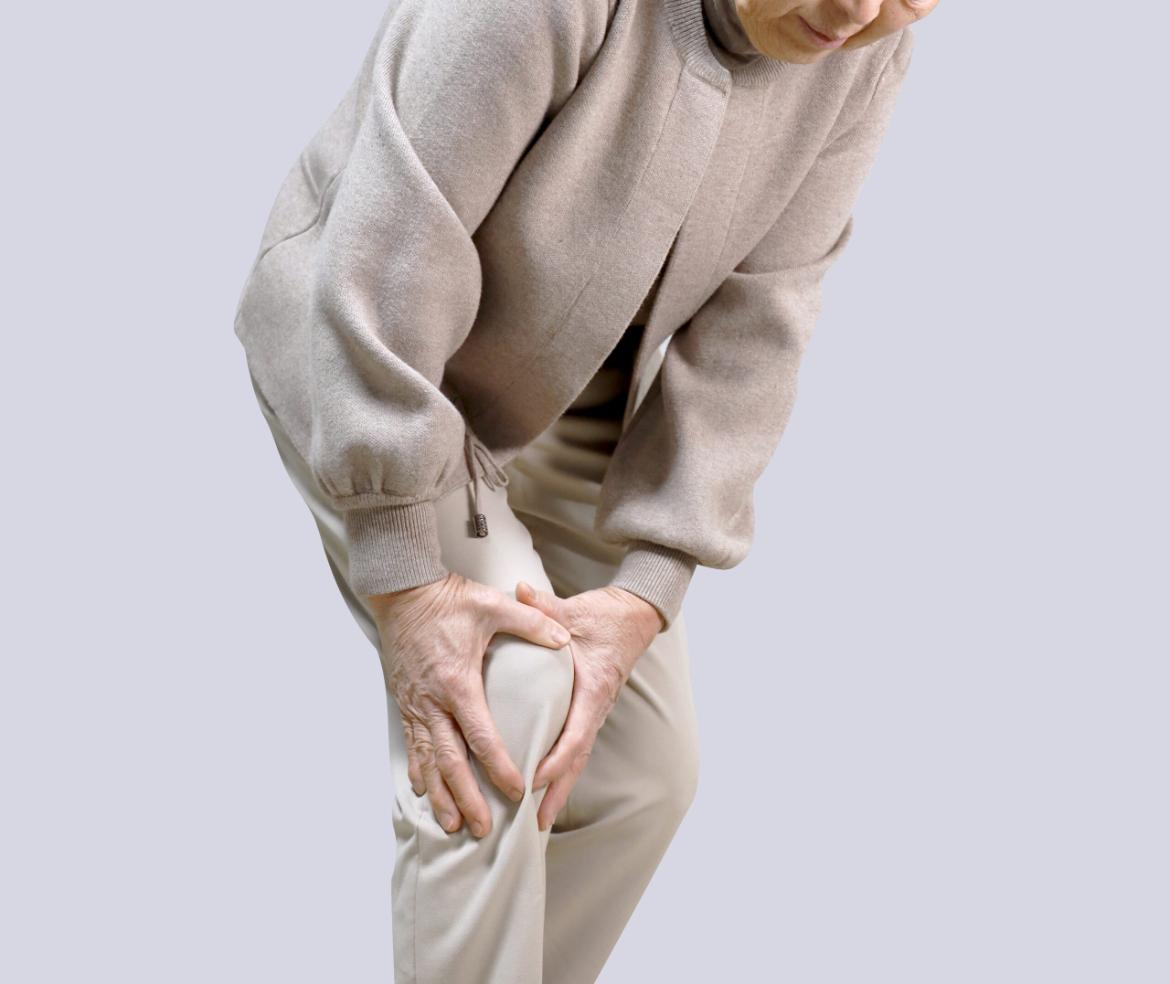
How to Relieve Hernia Pain in the Leg?
Herniated disc pain radiating to the leg is usually caused by a herniated disc. This condition is common in both men and women across all age groups. This common condition can significantly reduce an individual's quality of life.
If left untreated in the early stages or if incorrect and incompetent treatment methods are applied, a herniated disc can become more challenging in the future. With proper diagnosis and effective treatment, leg pain caused by a herniated disc can be controlled. Therefore, it is important to consult a healthcare professional when experiencing symptoms of a herniated disc or similar symptoms. By implementing appropriate treatment methods, in accordance with the recommendations of a specialist doctor, the effects of herniated disc pain can be reduced and the patient's quality of life can be improved.
Herniated Disc and Pain Referred to the Leg: Causes
Herniated disc pain radiating to the leg is a condition caused by a herniated disc. A herniated disc typically causes pain from the lower back down to the ankle. A herniated disc occurs when the cushioning tissue between the spinal cord and the disc, called a disc, ruptures or slips.
Herniated discs can occur in all age groups, but they are more common in people who engage in heavy lifting. Increasing age can also be a risk factor for herniated discs.
A herniated disc causes pressure on the nervous system due to a rupture or slippage of the discs in the spine. This puts pressure on the nerves that run from the lower back to the leg, causing leg pain. People with a herniated disc often have difficulty performing daily activities such as sitting, lying down, and walking.
Pain radiating to the leg caused by a herniated disc can often significantly impact a person's quality of life. It's important to consult a healthcare professional when experiencing symptoms of a herniated disc or similar symptoms. By implementing appropriate treatment methods, as recommended by a specialist, the effects of herniated disc pain can be reduced and the patient's quality of life improved.
Symptoms of leg pain caused by a herniated disc
A herniated disc can be a serious condition that can negatively impact daily activities due to leg pain. This discomfort can make it difficult for a person to get up from a seated position and can also cause significant difficulty walking without support. Symptoms of herniated disc pain radiating to the legs include:
- Pain that starts in the waist area spreads towards the leg area
- Numbness and insensitivity in the legs
- Feeling of numbness in the feet
- Severe leg pain
- Difficulty walking
- Loss of balance
- Difficulty holding urine or loss of control
- Impairment of sexual functions
These symptoms are common indicators of herniated disc pain radiating to the legs. This condition can significantly impact a person's quality of life and may require treatment. It's important to consult a qualified healthcare professional if you notice symptoms of a herniated disc.
Causes of hernia pain in the leg in children
While leg hernia pain in children is generally not similar to a herniated disc in adults, certain conditions can cause similar symptoms in children. These situations include carrying heavy bags, which is particularly common in school-aged children. However, herniated discs are generally less common in children than in adults. More common problems in children include umbilical and inguinal hernias.
Leg pain in children is often related to growth. During periods of rapid growth, disproportionate development between muscles and bones can cause temporary leg pain. However, umbilical and inguinal hernias in children can be diagnosed through a physical examination by a doctor.
Children diagnosed with a hernia can often be addressed through short surgical procedures. This supports their healthy development.
Causes of hernia pain in the leg at a young age
Hernia pain radiating to the leg in young people is often caused by heavy lifting, sudden back movements, or careless activities. Although hernias are typically seen in middle and older adults, they can also occur in younger individuals.
Prolonged standing, falls, or traumatic events can damage spinal discs in young people. Damage to these discs can lead to a herniated disc. This can cause pain, particularly in the lower back, in young people and usually affects one leg.
If left untreated, a herniated disc in young people can progress and lead to more serious problems. Therefore, it is important that young people be evaluated by a healthcare professional when symptoms are noticed and an appropriate treatment plan is determined.
Causes of hernia pain in the leg in the elderly
Herniated disc pain radiating to the leg in the elderly is often caused by a herniated disc. The primary cause of herniated discs is the wear and tear, weakening, and damage to the discs located between the vertebrae over time. This condition becomes more common with aging.
As we age, various bodily functions slow down and weaken. Additionally, carrying heavy loads, making careless movements, bending incorrectly, or falling can all lead to traumatic damage to the intervertebral discs.
Particularly in older individuals, the lack of strength in these disc structures can predispose to a herniated disc. When a herniated disc occurs, pressure on the nerves leading to the leg increases, which can cause leg pain of varying severity in older individuals.
Leg hernia pain in the elderly can be alleviated with physical therapy or medication recommended by specialists. When necessary, surgery may also be an option for older adults.
Causes of hernia pain in the leg during pregnancy
Hernia pain radiating to the leg during pregnancy is usually caused by the physiological changes that pregnancy brings. This can occur due to factors such as increased body weight, changes in hormone levels, and the growing uterus.
- Weight gain: The weight gain that comes with pregnancy puts additional pressure on the lumbar vertebrae. This can increase pressure on the spine, causing pain and a herniated disc.
- Hormonal changes: Hormones released during pregnancy can affect connective tissue and joint stability, which can lead to discomfort in the lower back.
- Uterine growth: As pregnancy progresses, the uterus grows, increasing pressure in the abdominal area. This puts more pressure on the lumbar vertebrae and can trigger hernia pain.
During pregnancy, hernia pain radiating to the leg often occurs alongside discomfort in the lower back. This can make it difficult for women to carry out their daily activities. Proper posture, exercises recommended by a doctor, and, if necessary, support devices can help manage this pain. It's important to consult a healthcare professional if you experience any discomfort during pregnancy.
Effective methods to relieve hernia pain in the leg
The most appropriate approach to treating hernia pain radiating to the leg is to consult with a qualified healthcare professional. Individuals should consult with a specialist regarding any treatment methods they may pursue on their own, as incorrect approaches can worsen the condition.
In general, treatment options for leg pain due to a herniated disc may include:
- Rest: Rest is important to avoid excessive strain on the lower back and legs. It can reduce stress on the herniated area and contribute to the healing process.
- Painkillers: Painkillers prescribed by your doctor can help control pain. However, long-term use of these medications should be under the supervision of a doctor.
- Physical therapy: Physical therapy programs can be used to manage the pain associated with a herniated disc and support spinal health. Exercises and treatment sessions guided by a qualified physical therapist can be helpful.
- Surgery: In cases of unresponsive or severe conditions, surgery may be considered. However, surgery is generally considered a last resort and is recommended by a doctor.
Any treatment plan for the lower back and legs should be tailored to the individual's specific condition and condition. Therefore, it's best to consult with a healthcare professional to address herniated disc pain radiating to the leg.
Important information about the treatment and symptoms of hernia pain radiating to the leg
If symptoms such as hernia pain radiating to the leg, urinary incontinence, loss of leg strength, impaired sexual function, and loss of balance are present, emergency surgery may be necessary. In these cases, it is important to consult a healthcare professional immediately and undergo the necessary tests.
In cases where surgery is not required, painkillers, muscle relaxants, and physical therapy sessions can be used to treat hernia pain radiating to the leg. However, these treatments should be used to alleviate symptoms only under the advice and supervision of a physician. When experiencing complaints of hernia pain radiating to the leg, it is crucial to consult a physician and begin appropriate treatment promptly.
Recommended exercises for hernia pain in the leg
Exercises for herniated disc pain radiating to the leg are usually prescribed by physical therapists and tailored to the individual's specific condition. The primary goal of herniated disc exercises is to strengthen the lower back muscles and help relieve pain. Examples of these exercises include:
- Leg lift exercise: Lifting your legs up in a controlled manner while lying face down can strengthen your lower back muscles.
- Bridge exercise: Lying on your back, bending your knees and lifting your hips up can work the muscles that support the waist area.
- Pelvic lift exercise: Lying on your back, lifting your pelvic area can also strengthen your lower back muscles.
The implementation of these exercises may vary depending on the patient's specific condition and pain level. However, it is important to obtain approval from a physician before beginning these exercises. In addition to an exercise program, physical therapy sessions tailored to each individual's condition can also be helpful.
