


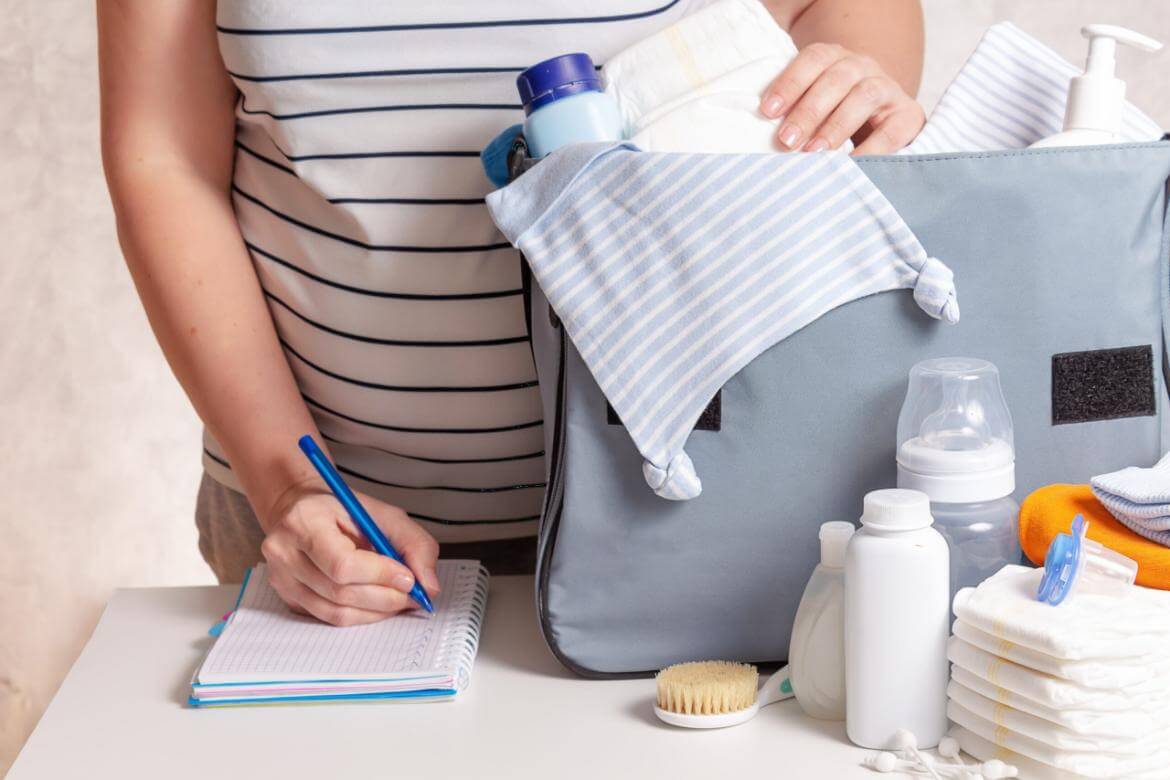
How to Prepare a Birth Bag?
Birth is eagerly awaited by both parents. The nine-month pregnancy is filled with preparations for parents eagerly awaiting that special moment when they hold their baby. During this time, they shop for the baby's needs and work to complete the necessary preparations. As the birth approaches, one of the most important preparations is assembling the maternity bag. When preparing a baby hospital bag, it's important to ensure everything is complete. However, the bag you choose may vary depending on the hospital where you'll be delivering. Some hospitals provide specific items for you.
In Which Week Should the Birth Bag Be Prepared?
Hospital bag preparation should begin in the later weeks of pregnancy. It's generally recommended to begin preparing your hospital bag in the third trimester, the last three months of pregnancy, starting around week 32. This period provides greater convenience for shopping and preparations due to weight gain and decreased physical activity. However, if you have a particularly risky pregnancy or if you're at risk of premature labor, preparing your hospital bag should be considered earlier.
What Should Be in a Hospital Bag?
A hospital bag is crucial in preparing for birth. This bag should contain essential items that both mother and baby may need during their travel to the hospital and after discharge. Here's what the mother, baby, and companion should have in their hospital bag:
For the mother:
- Comfortable clothes: Comfortable and loose-fitting clothes for after birth, such as a nursing bra, pajamas, or nightgown.
- Toiletries: Personal care products such as shampoo, toothbrush, toothpaste, deodorant, lip balm, glasses/lens case.
- Underwear: Spare panties, high-waisted and comfortable underwear, sanitary pads, nursing bras and breast pads.
- Towels and sheets: Your own towel, robe, sheets and pillow can provide you with more comfort.
- Personal care products: Products for post-nursing care, such as nipple cream.
- Official documents: IDs, hospital notes, insurance paperwork, and information for storing cord blood if needed.
- Electronic devices: Items such as phones, chargers with long cables, headphones, etc.
For baby:
- Clothing: Products such as newborn clothes, bodysuits, gloves, hats, socks, snap-on bodysuits, aprons, bath towels, changing cloths, overalls, pacifiers, feeding bottles, diaper rash cream, vests, and cardigans.
- Diaper: Diaper, hygienic products.
- Car seat: A car seat for use in the vehicle for the safety of the baby.
- Doctor information: Contact information for the baby's pediatrician.
For the companion:
Personal care items, comfortable clothing, and entertainment materials such as books and computers that the companion may need can be purchased for the companion.
This list may need to be adjusted depending on the type of birth and hospital conditions. Remembering previous birth experiences and seeking advice can also be helpful during preparation.
Here are some things you should definitely have in your hospital bag:
Personal documents and papers:
- Identity or documents that replace identity
- Insurance card and hospital registration documents
- Birth plan
Phone and charger:
- Phone and long charging cable
For baby:
- Baby clothes (baby bodysuits, rompers, etc.)
- Infant car seat
For the mother:
- Mother's clothing (nightgown, pajamas, etc.)
- Hygiene products (shampoo, toothpaste, body lotion, nursing pads, etc.)
Personal care products:
- Hair comb and clip
- Glasses or spare contact lenses and solution
- Lip balm, deodorant, makeup (optional)
- Shower gel, soap, face wash gel
- Massage oil or lotion
Clothing:
- Underwear
- Nursing bra and breast pads
- Bathrobe, socks, non-slip slippers
- Cardigan, fleece, sweatpants
To pass the time:
- Healthy snacks (nuts, dried fruit, etc.)
- Headphones and music player
- Books, magazines, computers, electronic games
- Baby care book, memory book
- If you are considering cord blood storage or donation, the necessary kit
These items cover the essential supplies needed for mother, baby, and companion during the hospital stay. Of course, this list can be customized to suit personal preferences and hospital conditions.
Some items that should not be packed in a hospital bag include:
- Baby clothes: Be careful not to over-pack your baby. Hospitals usually provide the first clothes your baby will need after birth.
- Valuables: Bringing valuables like jewelry can be risky. These items can be lost or forgotten.
- Excess cash: Instead of carrying unnecessary amounts of cash, it may be more sensible to keep a credit card or a small amount of cash.
- Diapers: Instead of packing a large quantity of diapers in your delivery bag, pack just the right amount. Hospitals usually provide the first few diapers.
To conveniently organize the contents of your maternity bag, you can use separate bags or compartments for the mother, baby, and companion's essentials. This way, placing the bag within easy reach will be easier if someone needs to bring it or if it's needed. You can also store the bag in the trunk of your car for easy access after you've prepared it.
Points to Consider When Preparing a Hospital Bag
Preparing your hospital bag is an important step before giving birth and should be well-planned. When making preparations, the possibility of a prolonged hospital stay should be taken into account. Therefore, the bag should contain a comprehensive set of essential items to be prepared for any scenario.
It's crucial that all items in the bag are clean and sterile, especially for newborns. Clothes and other items should be cleaned and then packaged.
It's crucial for mothers to have comfortable clothing in their bags. Open-front pajamas can make breastfeeding easier. It's also important for mothers to choose comfortable slippers.
When purchasing baby products, it's especially important to choose products specifically designed for the delicate skin of babies, such as newborn diapers. Choosing products made for sensitive skin is crucial for your baby's health. A camera can also be included in the bag to capture the moment of birth.
As the due date approaches, expectant parents can become anxious. Therefore, to prevent forgetfulness that anxiety can bring, it's recommended to pack your bag months before the birth. This will ensure a thorough and comfortable preparation.
