


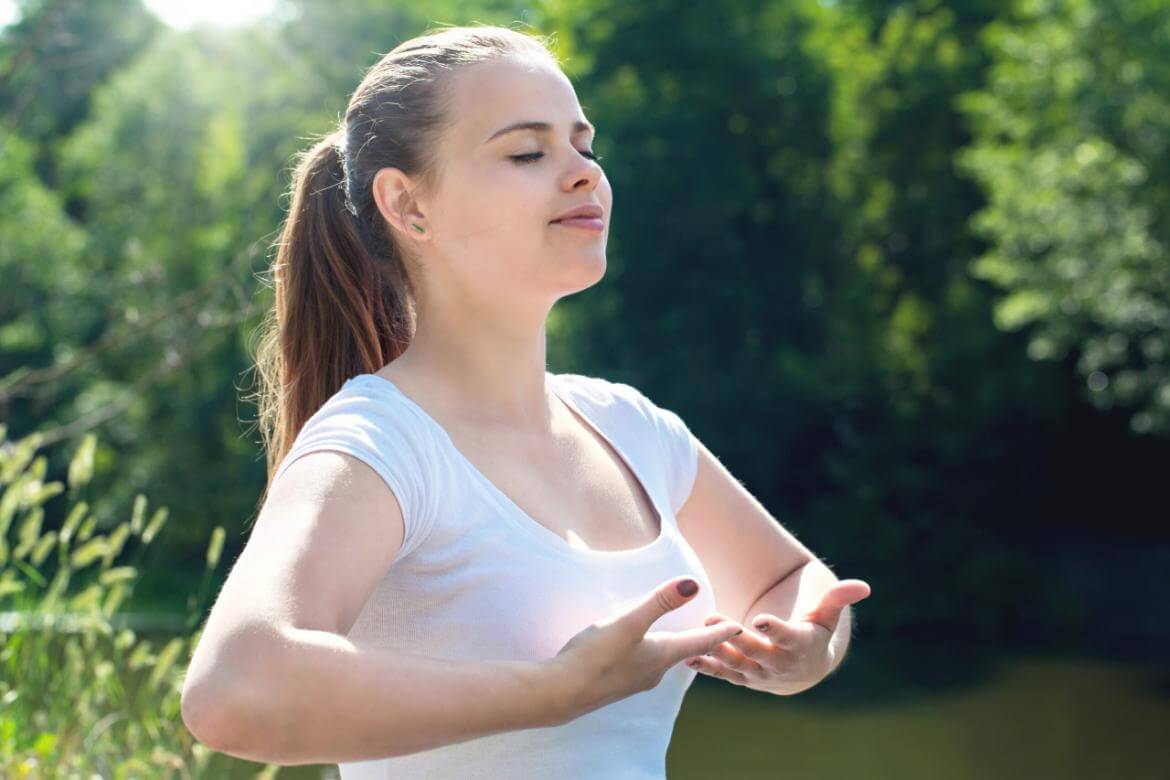
How to Do Breathing Exercises and What Are Their Health Benefits?
Stress, anxiety, and worry in daily life can negatively impact your health. However, dedicating just 5 minutes to regular breathing exercises can help reduce these negative effects. Breathing exercises can positively impact not only your mental health but also your lung health, increasing diaphragm strength. These exercises are used to improve your respiratory system, increase muscle strength, and reduce stress. Improper breathing can disrupt the body's oxygen and carbon dioxide balance, leading to anxiety, panic attacks, and mental health problems. Daily breathing exercises regulate heart rhythms, increase energy levels, and contribute positively to your overall health.
How to do breathing exercises: Basic steps to reduce stress
To reduce stress and feel less anxious, breathing exercises can be performed with the following steps:
- Sit in a comfortable position, with your feet supported on the floor, or you can lie on a yoga mat.
- Make sure your posture is such that your breath can flow freely.
- Breathe in through your nose and out through your mouth.
- Breathe slowly and steadily, focusing on your breathing.
- Repeat this process for at least 5 minutes.
Breathing exercises can be an effective tool for managing stress, calming down, and improving mental focus. When practiced regularly, you'll notice positive effects.
Breathing exercise types and application steps
Here are the types of breathing exercises you can add to your morning and evening routines to make your day more comfortable, relieve stress, and clear away negative thoughts:
Pursed lip breathing:
- Relax your neck and shoulders.
- With your mouth closed, breathe in slowly through your nose for 2 counts.
- Purse your lips and count to 4, then exhale very slowly.
Breath focus technique:
- Lie down or sit comfortably.
- Notice your breathing, alternating between deep and normal breathing.
- Compare your deep breath with your normal breath, focusing on the deep breath.
- Hold your belly in with each inhale and exhale, focusing on the rise and fall of your belly.
Diaphragmatic breathing:
- Lie on your back with your knees bent and your head supported.
- Place a pillow under your knee.
- Place one hand on your upper chest and the other on your rib cage.
- Feel your diaphragm move, breathe in through your nose and breathe out very slowly through your mouth.
Alternate nostril breathing exercise:
- Place your right hand on your nose.
- Press into the palm with all your fingers except your thumb.
- Exhale the air from the lungs and close the right nostril.
- Continue for 5 full cycles, then close the left nostril.
Lion's breath:
- Get into a comfortable sitting position.
- After spreading your fingers wide, press your palms against your knees.
- Take a deep breath through your nose, open your mouth wide and stick out your tongue.
- As you exhale, contract the muscles in your throat, making the sound "ha." Repeat this exercise 3 to 4 times.
Deep breathing:
- Sit or stand comfortably.
- Open the chest by pulling your elbows slightly back.
- Take a deep breath in through your nose, hold your breath for a count of 5, then exhale slowly through your nose.
These breathing exercises can help boost your motivation, make you feel more relaxed throughout the day, and contribute to your overall well-being. Practicing each exercise regularly will help you control your breathing and improve your mental health.
Benefits of breathing exercise and its importance for the body
The important benefits of breathing exercise for the body are listed below:
- Reduces stress and anxiety: Breathing exercise provides relaxation to the body by increasing oxygen intake, which helps reduce stress and anxiety.
- Improves sleep quality: Breathing exercises that relax the body help you sleep better and improve sleep quality.
- Improves cognitive skills: Regular breathing exercise increases focus, strengthens memory and improves decision-making skills.
- Good for heart health: Breathing exercise supports heart health by regulating blood pressure, thus reducing the risk of heart disease and stroke.
- It benefits the lungs: It protects against lung diseases by affecting the functioning of the lungs and increases respiratory capacity.
- Improves the digestive system: Breathing exercises ensure the regular functioning of the digestive system, thus providing effective support against digestive problems.
- Gives radiance to the skin: It improves the appearance of the skin by increasing the amount of oxygen and contributes to a brighter skin.
- Reduces inflammation: Routine breathing exercises contribute to the strengthening of the immune system, reduce inflammation in the body, and relieve pain in the joints.
When practiced regularly, breathing exercises have positive effects on physical and mental health. Adding these exercises to your daily routine can improve your overall quality of life .
In what situations should breathing exercises be done?
Breathing exercises can be used in a variety of situations and offer many health benefits. When to use breathing exercises:
- Stress and anxiety reduction: Breathing exercises can be done regularly to reduce the stress and anxiety brought on by daily life.
- Improving sleep quality: Breathing exercises before sleep can improve sleep quality by helping you sleep more comfortably.
- Strengthening lung health: In lung-related diseases such as asthma and COPD, breathing exercises can increase lung capacity and make breathing easier.
- Improving sports performance: Breathing exercises during exercise can improve sports performance by optimizing oxygen uptake in the body.
- During pregnancy and birth: Expectant mothers can do breathing exercises during pregnancy and birth to help relax the muscles and help them relax during birth.
- In psychological disorders: Regular breathing exercises can provide positive effects in the management of psychological disorders such as anxiety and depression.
Breathing exercises are a versatile practice designed to improve overall physical and mental health. Practicing these exercises regularly can support your health and improve your overall quality of life.
What are the side effects of breathing exercises?
While breathing exercises are generally safe, they can have different effects on some people. Therefore, if you have a chronic health condition or take regular medication, it's important to consult a healthcare professional. Potential side effects of breathing exercises may include:
- Dizziness: Changes in the amount of oxygen taken in during breathing exercises can cause dizziness.
- Tingling in the hands, feet and legs: Changes in the body during breathing exercises may cause tingling in the hands, feet or legs.
- Chest pain: Breathing too deeply or holding your breath can cause temporary chest pain in some people.
- Rapid or irregular heartbeat: Breathing exercises can increase heart rate, which may feel uncomfortable for some people.
- Muscle spasms: Deep breathing or certain breathing techniques can cause muscle spasms in some people.
- Blurred vision: Changes in oxygen levels can cause temporary vision problems in some people.
- Ringing in the ears: Pressure changes in the ears during breathing exercises can cause a ringing sensation.
If you experience any severe or persistent side effects during breathing exercises, it is important to consult a healthcare professional. It is also recommended that you consult a healthcare professional about your health before beginning the exercises.
Do breathing exercises help lose weight?
Yes, breathing exercises can aid weight loss. However, weight loss is often a complex process that relies on a combination of factors. Breathing exercises offer a range of benefits, often including positive effects on stress management, relaxation, and overall health.
Breathing exercises can contribute to weight loss by:
- Stress management: Breathing exercises can help reduce stress. Stress can be a trigger for many people to overeat. Coping with stress can reduce emotional eating habits.
- Metabolism: Deep breathing and using proper breathing techniques can help your body use oxygen more efficiently. This can boost your metabolism and contribute to weight loss.
- Mindful eating: Breathing exercises can support mindful eating. Slow, deep breathing can help you develop greater awareness while eating, which can reduce the tendency to overeat.
However, relying solely on breathing exercises for weight loss isn't enough. A healthy weight loss process typically includes a balanced diet, regular exercise, and lifestyle changes. Breathing exercises can be a helpful tool in this process, but they alone are not a solution for weight loss.
