


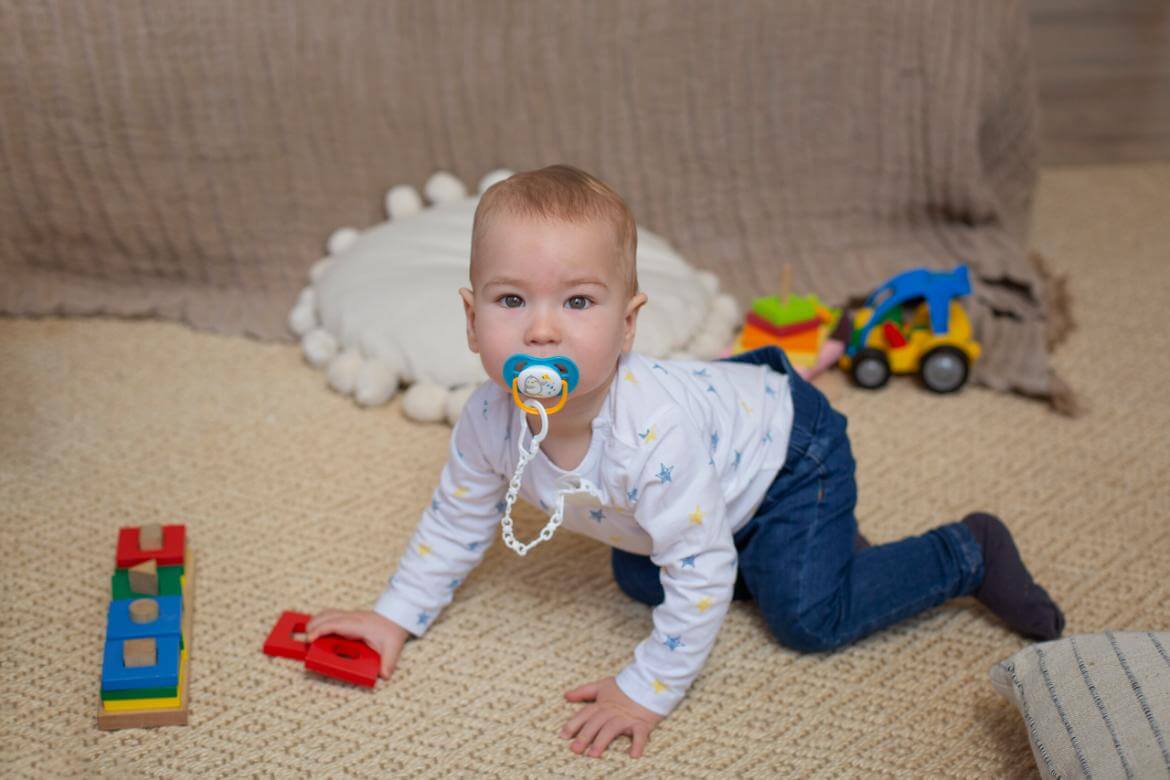
How Does a 6-Month-Old Baby Develop?
Babies' cognitive and physical development is a significant process. Six-month-old babies experience a significant increase in their development and interest in their surroundings. During this period, babies begin to explore their own bodies and can make various sounds and foam at the mouth. They imitate sounds and explore by touching their faces and body parts with their hands.
Activities such as playing games with babies, imitating facial expressions, and singing are crucial for supporting their social development. Additionally, breastfeeding refusal is common during this period.
The transition to solid foods also begins during this period. Babies who are exclusively breastfed or formula-fed begin to try solid foods. To minimize the risk of allergies, it's important to introduce new foods one at a time, waiting at least two days between introductions. Solid foods should be introduced not to fill your baby's stomach, but to help develop their palate and introduce new flavors.
Trying to force-feed babies can be considered child abuse. Therefore, feeding should not be forced; transitions should be supported based on the baby's unique needs and when they are ready.
6-Month-Old Baby Development and Abilities: Physical and Mental Development Processes
A 6-month-old baby typically develops a range of skills and behaviors. Physically, your baby can now hold his head unsupported and sit for longer periods of time. He's also beginning to use his hands and arms with greater control, grasping toys and passing objects from one hand to the other.
Mental development progresses as babies begin to engage in social interactions and show greater interest in their surroundings. During this period, babies become more interested in the wider world. Observing their mothers while feeding, paying attention to changes in their environment, and developing curiosity about the outside world are all part of this development. They explore their own bodies, look at their hands, make sounds, and touch different parts of themselves. These behaviors can be the first steps in personality development.
Interactions such as playing games, imitating facial expressions, and singing are crucial for supporting babies' cognitive development. Face-to-face interactions with babies can help them understand emotional expressions and develop social skills. During this period, engaging and stimulating toys support their exploration and learning.
How Much Should a 6-Month-Old Baby Weigh?
A 6-month-old baby's weight can generally be twice their birth weight. However, every baby is different, and their development is individual. Generally, a normal weight for a 6-month-old baby is between 6 and 9 kg for girls and 6.5 to 9.5 kg for boys. These values can vary depending on many factors, including their health, birth weight, and feeding habits. If you have any concerns or notice a significant weight gain or loss in your baby, it's important to consult your doctor.
Can a 6-Month-Old Baby Sit?
Babies generally begin to develop the ability to sit unsupported around 6 months of age. However, during this period, babies' sitting skills can vary depending on many different factors. Some babies can sit unsupported for short periods at this age, while others may be stronger and more experienced.
For babies to sit unsupported, their neck and back muscles need to be strengthened. Supporting your baby to develop the ability to sit unsupported can help them learn to sit over time. Having your baby sit on a soft, supported surface or in a position where you provide support can help them develop balance. However, be careful when seating your babies and always be there to prevent them from falling.
Don't worry if your baby can't sit up yet; every baby develops at a different pace. Babies develop individually, and they don't acquire every skill at the same time. If you have serious concerns or your baby isn't making the expected developmental milestones, it's best to consult a pediatrician.
What Should Be the Height of a 6-Month-Old Baby?
Average height values for 6-month-old babies can vary by gender. However, in general, there may not be a significant difference in height between boys and girls.
Typical height for babies at six months of age:
- For baby boys, it can be around 63 to 68 cm.
- For baby girls, it can be approximately 61 to 66 cm.
However, it's important to remember that every baby grows and develops individually. Your baby's height may vary compared to other babies. It's important to keep regular checkups to ensure your baby is growing healthily. Your baby's doctor can provide more specific information and measurements about growth and development.
What is the ideal head circumference for a 6-month-old baby? What does a larger or smaller head circumference indicate?
Head circumference at 6 Months of Age is usually measured within a specific range based on gender. A normal head circumference for girls is typically between 40 and 45 cm, while for boys, it can be between 41 and 47 cm.
Larger or smaller deviations from normal in head circumference can often indicate certain conditions, particularly microcephaly and macrocephaly:
- Microcephaly (Small head circumference): If a baby's head circumference is below the normal range, a condition called microcephaly may be present. Microcephaly is a condition in which a baby's skull is smaller than normal. This condition can often occur as a result of genetic factors, infections in the womb, exposure to toxic substances, or certain genetic diseases.
- Macrocephaly (Large Head Circumference): Babies with a head circumference above the normal range may experience macrocephaly. Macrocephaly is a condition in which a baby's skull is larger than normal. Familial benign macrocephaly is the most common cause. Additionally, conditions such as hydrocephalus, certain bone diseases, or congenital metabolic problems can also cause macrocephaly.
Such deviations in head circumference should generally be evaluated by a doctor. If you have any concerns, it's important to discuss your child's head circumference measurements with your doctor.
What Movements Does a 6-Month-Old Baby Make?
6 Month Old Baby Developmentcan usually perform several basic skills:
- Sitting without support: Babies as young as 6 months old can develop the ability to sit without support for short periods. However, they may not yet be able to sit completely unsupported.
- Grasping objects: Babies are better able to use their hands during this period. They begin to develop hand-eye coordination as they learn to grasp objects, hold things, and play with them.
- Reaching for their feet: They may observe their feet and even reach for them. Some babies may be tempted to put their feet in their mouth.
- Making sounds: Their sound-making skills increase. They can imitate single-syllable sounds and some simple sounds.
- Responsiveness: Babies may be more responsive to their surroundings during this period. They may especially respond to familiar voices, facial expressions, and gestures.
- Play and interaction: The desire to play increases. Face-to-face play, laughter, and interaction with parents through gestures and facial expressions begin.
Every baby develops at his or her own pace, so some babies may develop certain skills a little earlier or later.
Can a 6-Month-Old Baby Be Given Solid Food? What Should You Pay Attention to When Starting Solid Food?
The time to start solid foods is important for babies aged 6 months. During this period, the following factors may need to be considered:
- Trying foods one by one: When introducing solid foods, it's important to try each food one by one, keeping at least two days apart. This will make it easier to detect any allergies.
- Starting with small amounts: Keeping the amount of new foods small allows the baby's body to adapt to it and in case of a possible allergy, the reaction may be milder.
- Food variety: Initially, solid foods can be introduced from different food groups, such as fruits, vegetables, or grains. Your child's doctor can guide you on which foods to introduce and when.
- Balanced diet: Extra additives like salt and sugar should be avoided for babies. Avoid foods that contain too much salt and sugar.
- The right consistency: Pureed foods are best for babies in the beginning. Over time, as your baby develops chewing skills, you can transition to chunkier foods.
- Meal timing: The best time to give your baby solid food is when he is most alert, more cheerful and hungrier.
- Technology and food: Make sure mealtimes are fun and engaging. Feeding with visual devices like televisions, tablets, and phones can be distracting.
- Feeding and cooperation: Babies can be seated at the family table and participate in family mealtimes. This can help them learn about eating through imitation.
- Force-feeding: Force-feeding babies is considered child abuse. Feeding babies should be positive and without force.
These suggestions can help your child transition to solid foods in a healthy way. Because every child develops differently, it's important to consider your baby's reactions and your doctor's recommendations when implementing these suggestions.
How Much Does a 6-Month-Old Baby Suck?
A 6-month-old baby's development can vary greatly in terms of the amount of sucking they do. Some babies may need to suck for longer periods, while others may be satisfied with shorter periods. The duration of sucking can depend on the baby's needs, sucking technique, and overall feeding habits.
The duration of breastfeeding can also vary depending on how often a baby nurses and whether they are breastfed or formula-fed. Babies typically nurse for an average of 10-20 minutes at a time. However, some babies may nurse for shorter periods of time, while others may need to nurse for longer periods.
The duration of breastfeeding may vary depending on the baby's sucking needs and the amount of breast milk produced. Some signs that babies are full may include a decrease in desire to breastfeed, eyes closing, or a tendency to sleep. It's important to remember that each baby's duration and frequency of breastfeeding vary and should be adjusted according to their development and health.
How to Play with a 6-Month-Old Baby?
- Imitate facial expressions and sounds: You can interact with your baby by imitating their facial expressions and making the sounds they make. This supports their emotional development and helps them bond with you.
- Moving toys: You can attract your baby's attention and encourage exploration by hanging colorful, moving toys around his bed.
- Hand-held toys: Choose toys that your baby can grasp and explore with their hands. This will help develop their hand-eye coordination.
- Singing and reading: Babies love music and rhythm. You can sing songs, read classic baby songs, or read stories to them.
- Rollable toys and movement: You can encourage your baby to move by playing with rollable toys in a safe area. This supports physical development.
- Finger plays: You can attract your baby's attention by playing finger plays. For example, you can get your baby's attention by moving your fingers or making facial expressions with your hands.
- Touches of feathers and fabric: Babies love different tactile sensations. You can gently touch them with feathers or different fabrics.
Six-month-old babies are rapidly developing, and every interaction and play they engage in supports their emotional, mental, and physical development. However, constantly observe your baby during play and interactions and pay attention to their cues. Every baby is different, so it's important to observe which activities they enjoy most.
What are the vaccinations for 6-Month-Old Babies?
According to the national vaccination calendar generally applied in our country, the following vaccines can be given to 6-month-old babies:
- 3rd dose of hepatitis B vaccine: This vaccine protects against the hepatitis B virus and prevents hepatitis B infection in infants.
- 3rd dose of the 5-valent Combination Vaccine: Provides protection against diphtheria, tetanus, pertussis, inactivated polio and Haemophilus influenzae type b (Hib) infections.
- First Dose of Oral Polio Vaccine: Provides protection against the polio virus. This vaccine can be administered as a drop.
These vaccines strengthen babies' immune systems and protect against various infections. Regular and scheduled vaccinations are important for protecting babies' health. Babies may experience symptoms such as a mild fever and fatigue after vaccination. This is normal and usually resolves within a few days. It's important to consult a healthcare professional if you have any concerns or concerns after vaccination.
Can a 6-Month-Old Baby Be Placed on Their Stomach?
To reduce the risk of sudden infant death syndrome (SIDS), babies should not be placed on their stomachs until they reach 6 months of age. During this period, it's recommended to place your baby on their back or side to sleep. It's important to ensure your baby has a comfortable and safe sleep environment before bedtime, and to choose the right sleeping position.
