


How Does a 10-Month-Old Baby Develop?
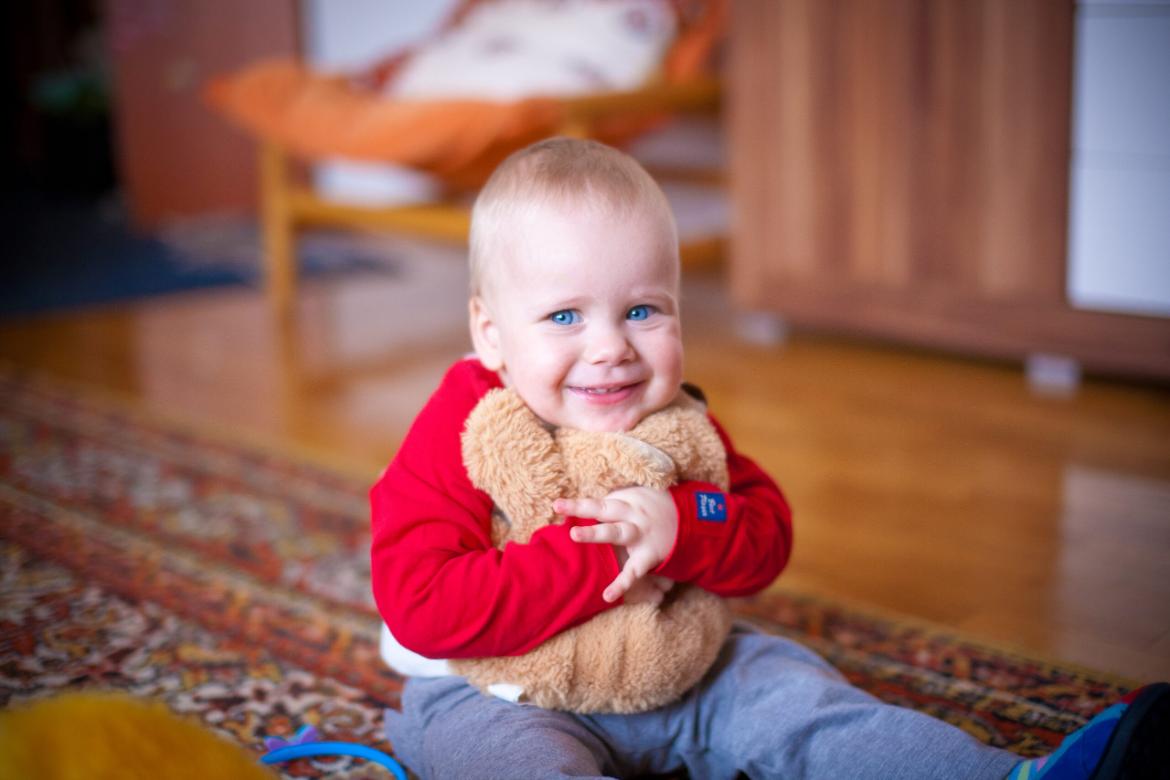
10-month-old baby development marks a period of activity and exploration. During this time, babies may imitate you, say some words, eat finger foods, and babble a lot. One of the best things you can do to support your baby's development is to actively support this period.
Babies become increasingly mobile during this stage. They can crawl indoors, pull themselves up by holding on, and say certain words. They can also point to objects in their environment with their index finger and grasp small objects with their hands.
A sleep schedule typically consists of 11 hours of sleep at night and 3 hours of sleep, with two naps during the day. During this time, babies can feed themselves with finger foods. This not only supports their baby's development but also provides a pleasant time.
Ten-month-old babies enjoy the freedom to explore their surroundings. It's important to keep an eye on them during this period, as they can be prone to accidents. Babies' coordination has improved, and their ability to grasp small objects has improved. Therefore, it's important to keep small objects, which pose a choking hazard, out of reach.
This period indicates that your baby is in a phase where their desire to explore and their mobility are increasing. You can support their development by making environmental arrangements to ensure their safety. Continue to be there to guide your baby through their world of discovery and learning.
What Should a 10-Month-Old Baby's Weight Be?
The weight of 10-month-old babies can vary depending on their gender and genetic makeup. On average, 10-month-old girls typically weigh between 7.2 and 11.2 kilograms, while 10-month-old boys typically weigh between 7.6 and 12 kilograms.
These values are generally standard and can vary significantly from baby to baby, as each baby has a different growth rate and genetic makeup. Therefore, your baby's growth patterns and health status should be regularly monitored by a doctor. If you have any concerns or your baby's growth rate deviates from normal, it's important to consult a healthcare professional. Your doctor can monitor your baby's growth and development to provide more accurate information and recommendations.
How Should a 10-Month-Old Baby Be Fed?
By 10 months, babies are generally capable of consuming a variety of solid foods and may respond differently to the different food options offered. During this period, meals prepared for babies can include a variety of solid foods, such as vegetables, fruits, grains, meat, yogurt, and cheese. Some babies continue to receive breast milk, while others may have weaned. It's quite common for a baby's diet to vary in the balance between breast milk and solids.
To improve babies' feeding habits and support their grasping skills, appropriate foods can be placed in front of them or special spoons can be used to encourage self-feeding. However, it's important that these attempts be carried out under parental supervision and that parents be vigilant to ensure their babies' safety.
During this period, babies should not be given foods such as honey, raw vegetables, cow's milk, or fruit juice, and foods that are large enough to choke should be avoided. Foods containing small pieces, such as olives, nuts, grapes, and popcorn, should be kept away from babies, as they can increase the risk of choking.
How Should 10-Month-Old Babies Have Breakfast?
It's important to offer a healthy breakfast to 10-month-old babies. An example of a suitable breakfast for a 10-month-old baby:
- Oatmeal or whole-grain cereal: Oatmeal or whole-grain cereal can be prepared for your baby by cooking it with milk or formula. This provides your baby with fiber and important nutrients.
- Puree or chopped fruit: Fresh or stewed fruit adds flavor to your baby's breakfast. Soft fruits like bananas, avocados, and cooked apples or pears are easy options for your baby to enjoy.
- Yogurt: Full-fat yogurt provides calcium and healthy fats for your baby's breakfast. Yogurts, especially those with probiotic properties, can support your baby's digestive system.
- Soft-cooked eggs: Eggs are a source of protein and iron. You can offer them to your baby by cooking them well or mashing them.
- Bread or pancakes: Slices of whole-grain bread or soft pancakes are foods your baby can easily pick up with their fingers and eat. They can be offered with a small amount of butter or avocado puree.
- Water or milk: You can give your baby a glass of water or milk at breakfast. Milk meets your baby's calcium and protein needs.
The amount and presentation of these foods may vary depending on your baby's previous experiences, allergy risks, and dietary preferences. When preparing your baby's breakfast, it's important to create a menu that meets their nutritional needs and tastes. It's also important to introduce new foods gradually and be alert for any signs of allergies. If you have any concerns or questions about your baby's diet, it's recommended to consult a healthcare professional.
How Many Meals Should a 10-Month-Old Baby Eat?
A 10-month-old baby should typically eat three main meals a day: breakfast, lunch, and dinner. It's important to offer your baby a healthy, balanced diet at these meals.
However, babies' needs and habits vary. Some babies may prefer to eat snacks in addition to these three main meals. Snacks may vary depending on your baby's needs, hunger, and feeding schedule.
For example, if your baby is feeling hungry between meals or needs extra nutrition during growth spurts, you can offer snacks. These snacks can be healthy and nutritious options like fruit puree, yogurt, whole-grain cookies, or vegetables.
Babies' feeding patterns are individual, and every baby is different. An appropriate feeding schedule should be created based on your baby's nutritional needs, growth rate, appetite, and preferences. If you have concerns about your baby's health or need more information about nutrition, it's helpful to seek support from a pediatrician or nutritionist.
What Should 10-Month-Old Babies Not Eat?
There are certain foods that should be considered when feeding a 10-month-old baby . These foods include:
- Honey: Honey may carry a risk of botulism because the baby's immune system is not yet strong enough due to the bacteria called Clostridium botulinum found in it.
- Raw fish and shellfish: Bacteria and parasites found in these foods can affect the baby's delicate digestive system.
- Large fish in fish and seafood: Large fish (e.g., swordfish), which may have high mercury levels, can be harmful to babies.
- Offal: Offal, such as liver, can be harsh on a baby's developing digestive system.
- Salty or spicy foods: Your baby's kidneys may not be developed enough to process salt, so foods high in salt should be avoided. Spicy foods can also upset your baby's sensitive digestive system.
- Foods containing honey and sugar: Foods containing sugar can negatively affect the baby's taste preferences from an early age, and excessive sugar consumption can lead to health problems in the future.
- Small-sized foods: Small foods that pose a choking risk (e.g., grapes, nuts, hard candy) should be avoided and infant-friendly foods should be offered.
It's important to avoid these foods, taking into account your baby's diet, health, and specific needs. When introducing your baby to a healthy and balanced diet, it's important to consult a healthcare professional and obtain the necessary information.
What Can 10-Month-Old Babies Do?
A 10-month-old baby generally demonstrates the following skills and behaviors in development:
- Standing and walking with support: They can stand up by holding on to something and walk short distances by holding on to objects.
- Coordination and motor skills: Grasps small objects, waves, claps, holds and releases objects.
- Language development: They may begin to say their first words, and their ability to understand simple words and sounds increases.
- Social skills: Their ability to recognize people improves, they respond to people, and they can recognize familiar people from a distance.
- Imitation ability: They can imitate and try to imitate movements and sounds around them.
- Independence: Can point to what he/she wants with his/her finger, eats finger foods on his/her own, and begins to play some simple games.
- Perception and recognition: Their ability to recognize and hear sounds increases, and they perceive objects and people around them better.
Babies' developmental processes can vary, and each baby develops at their own pace. Therefore, 10-month-old babies generally exhibit these behaviors and skills, but they may vary from baby to baby. It's important to consult a pediatrician or specialist to learn more about your baby's individual development and needs.
What is a 10-Month-Old Baby's Sleep Pattern?
Around 10 months of age, babies generally begin to sleep longer at night, and their nighttime sleep patterns become more regular. During the day, they may typically take two or three short naps. During this period, babies' total sleep time can reach an average of 13 to 14 hours per day.
While there is a general sleep pattern, every baby is different, and their sleep needs can vary. Some babies sleep for longer periods, while others may need shorter periods of rest.
The key is to understand your baby's sleep needs and establish a sleep routine accordingly. It's important to establish a suitable sleep schedule based on your baby's development and behavior, and to provide a suitable sleep environment. Babies' sleep patterns can change over time, so it's important to be flexible and adapt to their needs. If you're concerned about your baby's sleep patterns or are experiencing irregularities, it's helpful to consult a pediatrician or specialist.
What is a 10-Month-Old Baby's Sleep Pattern?
Around 10 months of age, babies generally begin to sleep longer at night, and their nighttime sleep patterns become more regular. During the day, they may typically take two or three short naps. During this period, babies' total sleep time can reach an average of 13 to 14 hours per day.
While there is a general sleep pattern, every baby is different, and their sleep needs can vary. Some babies sleep for longer periods, while others may need shorter periods of rest.
The key is to understand your baby's sleep needs and establish a sleep routine accordingly. It's important to establish a suitable sleep schedule based on your baby's development and behavior, and to provide a suitable sleep environment. Babies' sleep patterns can change over time, so it's important to be flexible and adapt to their needs. If you're concerned about your baby's sleep patterns or are experiencing irregularities, it's helpful to consult a pediatrician or specialist.
Should a 10-Month-Old Baby Poop Every Day?
Every baby is different, and bowel habits can vary from one baby to another. Therefore, daily poop habits can vary from baby to baby and may not be the same for every baby.
Generally, 10-month-old babies are expected to have regular bowel movements daily. Feeding habits, fluid intake, and the speed of their digestive systems can all affect bowel frequency.
While many babies poop daily, some may poop several times a day or even days apart. In this case, it's important to consult a doctor if you have any concerns about your baby's overall health, feeding, or bowel habits.
If you notice a significant change in your baby's bowel habits (for example, abnormally frequent or infrequent bowel movements), a significant change in stool color or consistency, or any signs of poor overall health, it is important to consult a healthcare professional immediately.
How to Contribute to the Development of a 10-Month-Old Baby?
- Talk constantly: Talk to your baby, call out to him, and communicate using simple words. Explain activities you do at home, the names of objects, and daily events.
- Reading: Spend time with your baby through colorful, picture books. Show them the books and tell them stories. This can support language development and stimulate imagination.
- Interactive games: Interact with your baby through nursery rhymes, songs, and simple games. Engage your baby's attention and curiosity with activities like finger games and touch games.
- A safe exploration environment: Create an exploration environment at home. Provide your baby with a safe and non-toxic environment where they can roam freely. This can help develop their motor skills and learning capacity.
- Physical activities: Create opportunities for your baby to move. Allow him to stand with support or walk holding on to furniture. Physical activities can encourage muscle development and coordination.
- Trust and love: Nurture your baby with love and affection. Build a secure bond with your baby and be sensitive to their needs. This is important for their emotional development.
These activities can contribute to your baby's overall development and learning process. Every baby develops differently, so be patient and interact according to their interests and pace.
