


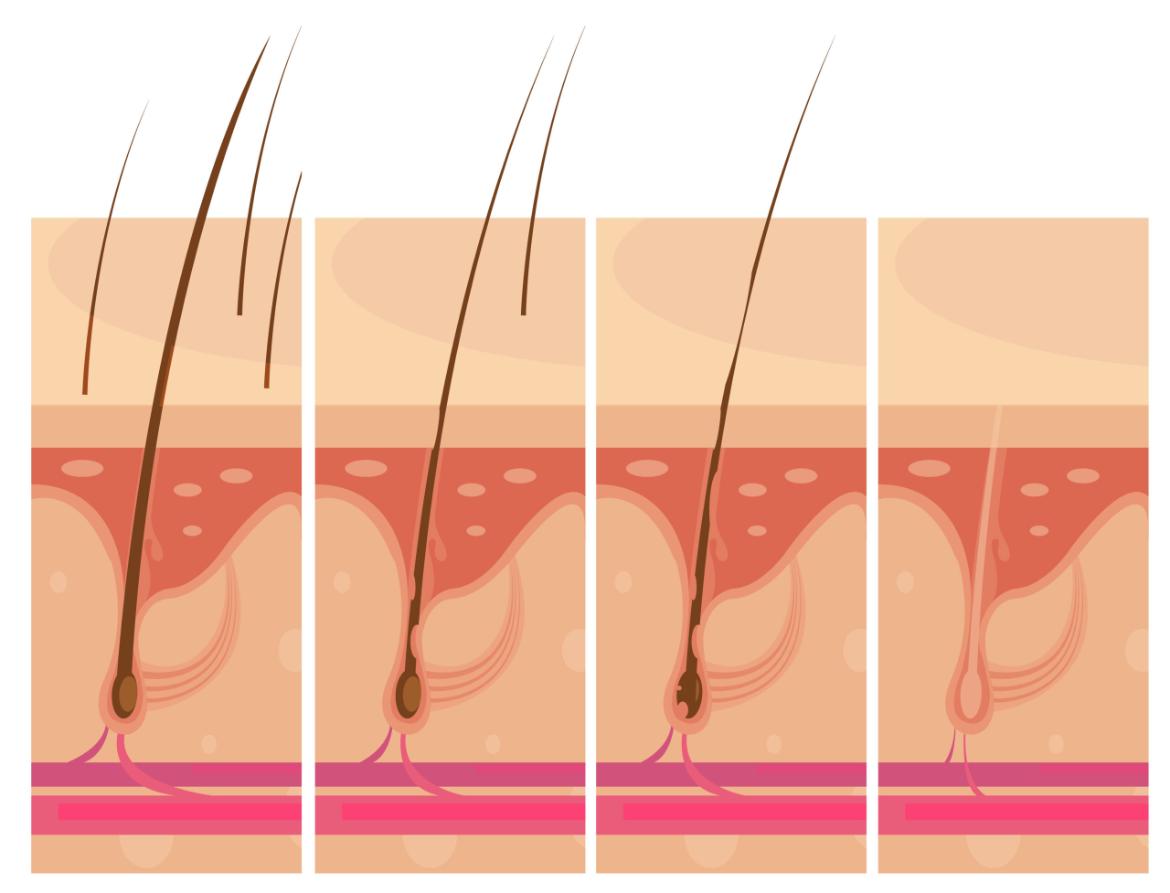
Hirsutism (Excessive Hair Growth)
Hirsutism is a medical condition that causes excess hair growth in certain areas of the body. This condition is most common in women and is associated with hormonal imbalances. Common causes of hirsutism include hypothyroidism, a condition characterized by a deficiency in thyroid hormone levels, obesity, increased levels of testosterone and other androgenic hormones, and conditions such as polycystic ovary syndrome (PCOS).
Hirsutism manifests as excessive growth of coarse, thick, dense, and dark hair in specific areas, unlike the fine hair typically found on women. These areas may include the upper lip, chin, various areas of the face, arms, chest, abdomen, and back.
Hirsutism often has a genetic predisposition, but it's also associated with thyroid problems, hormonal imbalances, and other health issues. Individuals with hirsutism may experience changes in hair texture based on genetic factors.
Treatment generally addresses the underlying cause. Correcting hormonal imbalances, treating thyroid issues, and managing other health issues can help manage hirsutism. Cosmetic procedures, such as laser hair removal and hair removal creams, can also be used, but these typically only temporarily relieve symptoms and do not address the underlying cause. It is important for individuals experiencing hirsutism to consult with a healthcare professional and discuss appropriate treatment options.
Who is most likely to experience hirsutism?
Hirsutism is a condition that often occurs in close female relatives within the family. For example, having a mother, aunt, or sister with hirsutism may increase an individual's risk of developing the condition. This condition may be genetically predisposed, but it is also associated with hormonal imbalances.
Excessive body hair growth and changes in hair structure can affect not only physical appearance but also psychological health. Hirsutism can cause psychological problems such as loss of self-confidence, stress, and anxiety. However, it's important to remember that hirsutism is not a contagious or life-threatening condition.
Treating hirsutism, which occurs due to hormonal imbalances, not only prevents hair growth but also contributes to the psychological well-being of patients. Therefore, it is important to identify and treat the underlying hormonal issues in individuals diagnosed with hirsutism. This treatment can not only improve appearance but also prevent negative effects on other bodily systems. A person's lifestyle and habits also play a significant role in this process.
Hirsutism symptoms
Even in mild forms of hirsutism, increased hair growth may be noticed in areas such as the upper lip, chin, cheeks, sideburns, upper arms, nipples, lower abdomen, and back. In this case, unlike normal hair growth, the hair is thick, abundant, and hair-like. In more advanced cases, the increased hair growth can spread throughout the body, affecting areas such as the breasts, shoulders, and upper abdomen. Particularly in those experiencing symptoms of hirsutism before puberty, a detailed examination and further testing may be necessary due to the underlying hormonal imbalance.
Another condition that can occur alongside hirsutism is called virilization. In this condition, women develop secondary sex characteristics. Virilization occurs due to an imbalance in androgen levels. Common symptoms in women with hirsutism may include:
- Oily and acne-prone skin
- Hair loss and baldness (alopecia)
- Receding hairline and thinning of the front of the hair
- Reduction in breast size
- Changes in sex drive, loss or increase in libido
- Enlargement of the clitoris (cliteromegaly)
In cases of increased hair growth associated with hirsutism, early intervention and examination by a specialist doctor are important to prevent negative complications such as permanent hair loss or deterioration of breast tissue.
It's also important to understand the difference between hypertrichosis and hirsutism. Hypertrichosis refers to increased hair growth in areas of the body that are not androgens-dependent, while hirsutism is a term describing excess hair growth in areas typically seen in men, such as the face and lower abdomen.
Causes of hirsutism in women
Hirsutism is a condition that can affect women of any age, but most cases are genetically predisposed. In many cases, the underlying cause of hirsutism may not be identified. However, some conditions commonly observed in hirsutistic individuals include:
- Polycystic ovary syndrome (PCOS): PCOS, which usually manifests during adolescence, is characterized by an imbalance in sex hormones. As PCOS progresses, symptoms such as excessive hair growth, thick hair, menstrual irregularities, obesity, infertility, and ovarian cysts may occur. A family history of PCOS and obesity may increase the incidence of PCOS in women.
- Cushing's syndrome: Occurs as a result of exposure to high levels of the hormone cortisol. Cushing's syndrome can develop due to excessive production of cortisol by the adrenal glands or as a side effect of certain medications. Cortisol is also known as the stress hormone, and symptoms of Cushing's syndrome can include hirsutism, facial flushing, a moon-shaped appearance, stretch marks around the abdomen, and increased fat.
- Congenital adrenal hyperplasia: This inherited condition is characterized by abnormalities in the sex hormones secreted by the adrenal glands. Adrenal gland disorders can cause symptoms such as high blood pressure, excess upper body fat, headaches, blood sugar irregularities, menstrual irregularities, hirsutism, and loss of libido.
- Tumors: In rare cases, tumors originating from the ovaries or adrenal glands can cause hormonal disorders and hirsutism.
- Certain medications: Some medications used to treat endometriosis, topical agents containing testosterone and dihydrotestosterone, and anabolic steroids may cause hirsutism.
- Postmenopausal: Hormonal changes in a woman's body after menopause can cause an increase in the amount and thickness of facial hair. It's common for hair like a mustache and beard to become more prominent during this period.
How is hirsutism diagnosed?
A detailed history and physical examination by a specialist physician is important for individuals exhibiting symptoms of hirsutism. The patient's history should also include questions about medication use that may contribute to hirsutism. The physical examination usually includes an abdominal and pelvic examination. These examinations are particularly important to rule out conditions such as Cushing's syndrome or a tumor.
Blood tests may be performed to assess various hormone levels in the blood, particularly testosterone levels. Blood sugar levels can also be measured to assess for diabetes.
If a tumor or cyst is suspected, imaging studies such as ultrasound or magnetic resonance imaging (MRI) may be necessary to thoroughly examine the ovaries and adrenal glands. Such studies are important to identify potential underlying causes and make an accurate diagnosis.
When diagnosing hirsutism, the patient's overall health, lifestyle, and other health issues are also taken into consideration. This comprehensive assessment is essential to developing an effective treatment plan.
How is hirsutism treated?
Once the cause of hirsutism is determined, a specialist doctor will plan a treatment program to address the underlying problem, aiming to reduce hirsutism symptoms. Hormonal treatments may be used in cases where the condition is caused by hormone imbalances.
In women with a high body mass index (BMI), weight loss, regular exercise, and physical activity can regulate androgen levels and therefore reduce the excess hair growth caused by hirsutism.
While there's no specific treatment for hirsutism, which occurs independently of hormonal imbalances, personal care routines can be implemented to manage unwanted hair. Waxing and laser hair removal can help control hair growth.
Each patient may require a different treatment plan depending on their specific circumstances. Therefore, it is important to consult a doctor to develop a treatment plan tailored to the individual's condition and needs. Treating hirsutism often requires a multidisciplinary approach, so collaboration among specialists such as an endocrinologist, dermatologist, and dietitian is often recommended.
How long does hirsutism treatment take?
Increased body hair due to hirsutism can often lead to serious long-term problems. In women diagnosed with hormonal imbalances, treatment can often be effective and help resolve hirsutism. However, hair growth may reoccur due to hormonal imbalances.
Hirsutism treatment generally aims to eliminate the hair problem by addressing the underlying problem. However, in most cases of hirsutism, no clear underlying cause can be found. In this case, successful lifelong treatment may not be possible.
Treatment for hirsutism can vary depending on the individual's specific condition and the treatment method used. Various approaches can be used, including hormonal treatments, lifestyle changes such as weight loss and regular exercise, and hair removal methods. Treatment options may vary depending on the individual's response, the treatment method, and the underlying cause.
Treatment for hirsutism typically involves a systematic, long-term process. It is important that the individual be managed by a specialized healthcare team with ongoing monitoring and evaluation.
Can hirsutism be treated?
Treatment for hirsutism can vary depending on the underlying cause, and in some cases, hirsutism may not resolve completely. However, there are many effective treatment options available to manage the condition and improve quality of life.
Short-term solutions include laser hair removal, shaving, waxing, and depilatory creams. These methods can temporarily remove unwanted hair and make daily life easier for individuals.
In cases of hirsutism caused by underlying hormonal issues, regular checkups with your doctor and adherence to your treatment plan are important. Lifestyle improvements, weight loss efforts, and regular exercise can reduce the effects of hirsutism, especially in conditions such as PCOS or adrenal gland disorders.
Utilizing psychological support and counseling services can facilitate the treatment process, particularly for individuals bothered by facial hair. It can increase motivation and help them adapt to lifestyle changes.
Hirsutism treatment often requires an individualized approach, and the success of the treatment process depends on the person's general health, lifestyle, and response to treatment.
