


High Cholesterol (Hyperlipidemia)
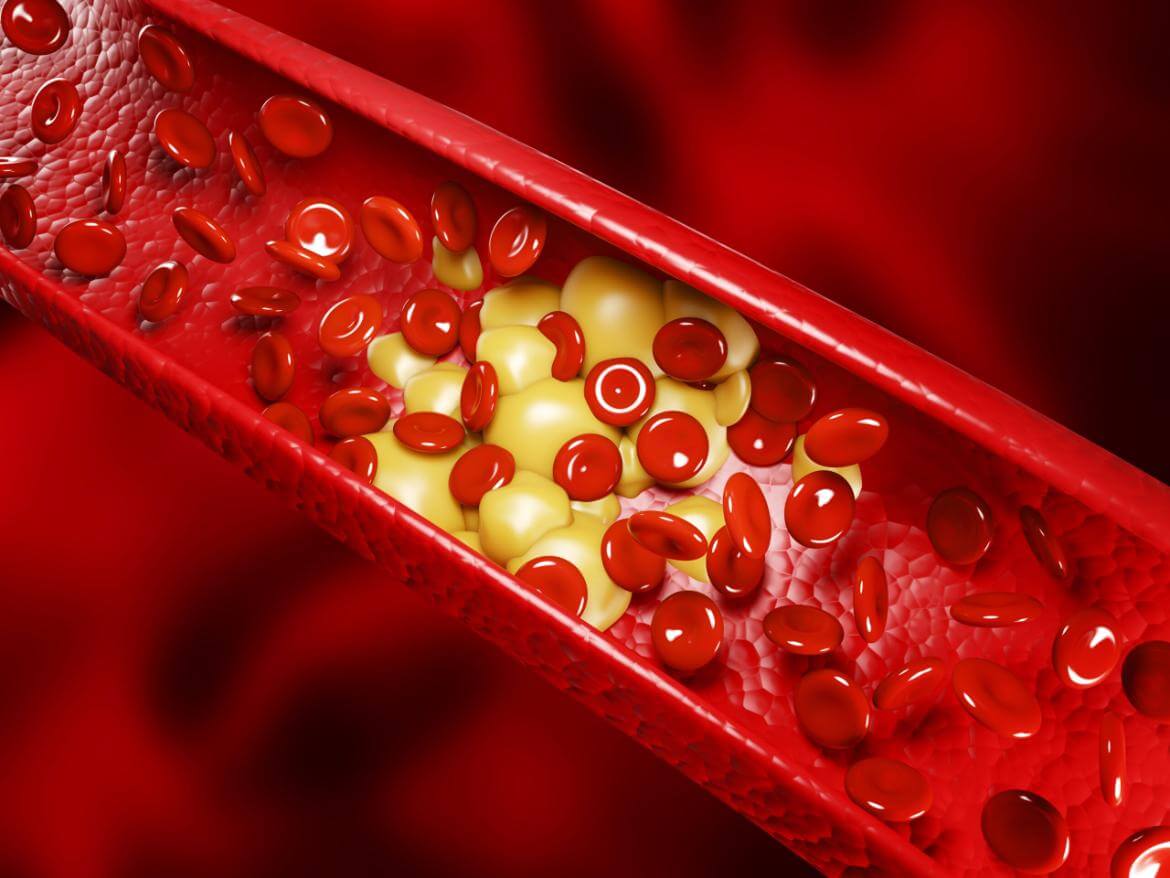
Hyperlipidemia, commonly known as high cholesterol, refers to a condition in which blood cholesterol and lipid levels are above normal. This condition results in high levels of cholesterol and triglycerides, waxy fats in the blood. High cholesterol and lipid levels can lead to plaque formation in the arteries. This can narrow the arteries, impeding blood flow and triggering serious health problems such as heart disease and stroke.
Hyperlipidemia usually doesn't cause any noticeable symptoms. However, as it progresses, symptoms such as shortness of breath, chest pain, and nausea can occur. Risk factors for hyperlipidemia include obesity , a sedentary lifestyle, smoking, genetic factors, and age.
If this condition isn't recognized and treated, it can lead to serious complications such as heart attack and stroke. A healthy diet, regular exercise, and, in some cases, medication are used to manage hyperlipidemia. Hyperlipidemia is a manageable condition that can be controlled with lifestyle changes and treatment.
What causes hyperlipidemia (high cholesterol)?
Hyperlipidemia is a condition in which cholesterol and fat levels in the blood are higher than normal. This condition has several causes and is usually the result of a combination of factors. Some factors that cause hyperlipidemia include:
- Diet and obesity: A diet high in fat, high in calories, and processed foods can lead to high cholesterol and triglyceride levels. Obesity can also increase the risk of hyperlipidemia.
- Inactivity: Lack of physical activity, low levels of physical activity, or a sedentary lifestyle may increase the risk of hyperlipidemia.
- Genetic factors: This condition may be seen more frequently in people with a family history of hyperlipidemia due to genetic predisposition.
- Smoking and alcohol consumption: Smoking, drinking alcohol or excessive alcohol use can negatively affect cholesterol levels and lead to hyperlipidemia.
- Aging: As we age, our body's metabolism may change and cholesterol levels may increase.
- Stress: Chronic stress can increase cholesterol levels by affecting hormone regulation in the body.
- Chronic diseases: Certain health problems, such as thyroid disease, kidney disease, and polycystic ovary syndrome, can also increase the risk of hyperlipidemia.
- Medications: Certain medications, especially beta-blockers, birth control pills, and diuretics, can affect cholesterol levels, leading to hyperlipidemia.
Symptoms of high cholesterol (Hyperlipidemia)
High cholesterol , or hyperlipidemia, often has no noticeable symptoms and can often progress silently. Therefore, many people may not realize they have high cholesterol levels. However, some people may experience symptoms of high cholesterol. Symptoms vary from person to person and depending on the severity of their cholesterol levels. Symptoms that may indicate high cholesterol levels include:
- Chest pain: A heart muscle condition called angina can be associated with high cholesterol. This condition usually manifests as chest pain or a feeling of pressure.
- Respiratory problems: High cholesterol can lead to cardiovascular disease. This can lead to shortness of breath or difficulty breathing.
- Foot pain: Some people experience foot pain associated with high cholesterol levels. This can often be due to circulation problems in the legs.
- Eye problems: In some cases, lesions called xanthelasma, which are yellow cholesterol deposits, can appear on the eyelids.
- Eye changes: High cholesterol can lead to the development of jaundice. This condition often appears as a prominent yellowish ring around the cornea.
- Liver problems: High cholesterol can cause fat accumulation in the liver and impaired liver function.
High cholesterol can often go unnoticed, so it's important to have your cholesterol levels checked regularly. Lifestyle changes, including a healthy diet and exercise habits, can also be an effective approach to controlling cholesterol levels. If you suspect you have high cholesterol or think you're at risk, it's recommended that you consult a doctor.
What should be the value for hyperlipidemia?
Hyperlipidemia is a condition in which blood lipid levels are higher than normal. Lipid levels are assessed, particularly in terms of cholesterol and triglyceride levels. Normal lipid levels in adults are as follows:
- Total cholesterol: Ideally, total cholesterol levels should be below 200 mg/dL. Values between 200 and 239 mg/dL are considered borderline high, while values of 240 mg/dL and above are considered high.
- LDL (Bad) cholesterol: LDL cholesterol should be below 100 mg/dL. Values between 100 and 129 mg/dL are considered "borderline high," while values between 130 and 159 mg/dL are considered "high."
- HDL (Good) cholesterol: An HDL cholesterol level of less than 40 mg/dL is considered low. An HDL cholesterol level of 60 mg/dL or higher is considered protective.
- Triglycerides: A normal triglyceride level is below 150 mg/dL. Values between 150 and 199 mg/dL are considered high, values between 200 and 499 mg/dL are high, and values of 500 mg/dL and above are considered very high.
Target cholesterol levels may vary depending on an individual's age, gender, health history, and other risk factors. Therefore, an assessment by a doctor or healthcare professional should be made based on the individual's medical history and other risk factors. Regular medical checkups and evaluations are recommended to assess the risk of hyperlipidemia and determine appropriate treatment.
How is hyperlipidemia diagnosed?
Hyperlipidemia is usually diagnosed through a blood test called a lipid profile. This test measures the levels of various lipids in a person's blood. This test, called a lipid panel or lipid profile, measures the following:
- Total cholesterol level: Measures the total amount of cholesterol in your blood. This includes HDL (good cholesterol), LDL (bad cholesterol), and triglycerides.
- HDL (Good) cholesterol level: This is the type of cholesterol that reduces the risk of heart disease.
- LDL (Bad) cholesterol level: This is the type of cholesterol that forms fatty plaque deposits in the blood that can clog arteries.
- Triglyceride level: Measures the level of triglycerides, a form of fat.
Based on these test results, a doctor can diagnose hyperlipidemia and develop a treatment plan. These tests are typically performed as part of regular health checkups to identify the risk of hyperlipidemia and determine appropriate treatment. They may be repeated at regular intervals for treatment and monitoring purposes.
How is hyperlipidemia treated?
Treatment for hyperlipidemia begins with lifestyle changes, including a healthy diet, exercise, weight control, and avoiding smoking and alcohol consumption. These can help balance cholesterol levels and improve cardiovascular health.
Dietary changes include choosing unsaturated fats over saturated fats, eating plenty of vegetables and fruits, including fiber-rich foods, and avoiding processed foods.
In certain cases, when lifestyle changes aren't enough, doctors also recommend medication. Medications that help lower cholesterol levels, such as statins, are used under doctor's supervision and only by prescription. These medications can reduce cholesterol production or regulate its absorption in the body.
Treatment for hyperlipidemia can vary from person to person. Therefore, it's important to collaborate with your doctor to determine the most appropriate treatment plan. Your doctor will evaluate your specific treatment options and determine the best strategy for you.
What complications does high cholesterol (Hyperlipidemia) cause?
Hyperlipidemia, or high cholesterol levels, can cause a number of serious long-term complications in the body. These complications can include:
- Coronary artery disease: The buildup of cholesterol plaques in the arteries of the heart can lead to coronary artery disease. This prevents the heart from receiving enough oxygen and blood, which can lead to a heart attack.
- Stroke: Blockages or clots in the blood vessels that carry blood to the brain can increase the risk of stroke. Inadequate oxygen to the brain can cause a stroke.
- Peripheral artery disease: Plaque buildup in the arteries leading to the legs can cause pain, swelling, or loss of function in the legs. This can lead to peripheral artery disease.
- Carotid artery disease: Plaque buildup in the large arteries that carry blood to the brain can block blood flow and increase the risk of stroke.
- Renal artery disease: Plaque buildup in the arteries that feed the kidneys can lead to decreased kidney function or kidney failure.
These complications of hyperlipidemia generally occur when high cholesterol levels persist for a long time. Therefore, controlling and treating high cholesterol can help reduce the risk of these serious health problems. Lifestyle changes and, if necessary, medication recommended by a doctor can play a significant role in preventing these complications.
