


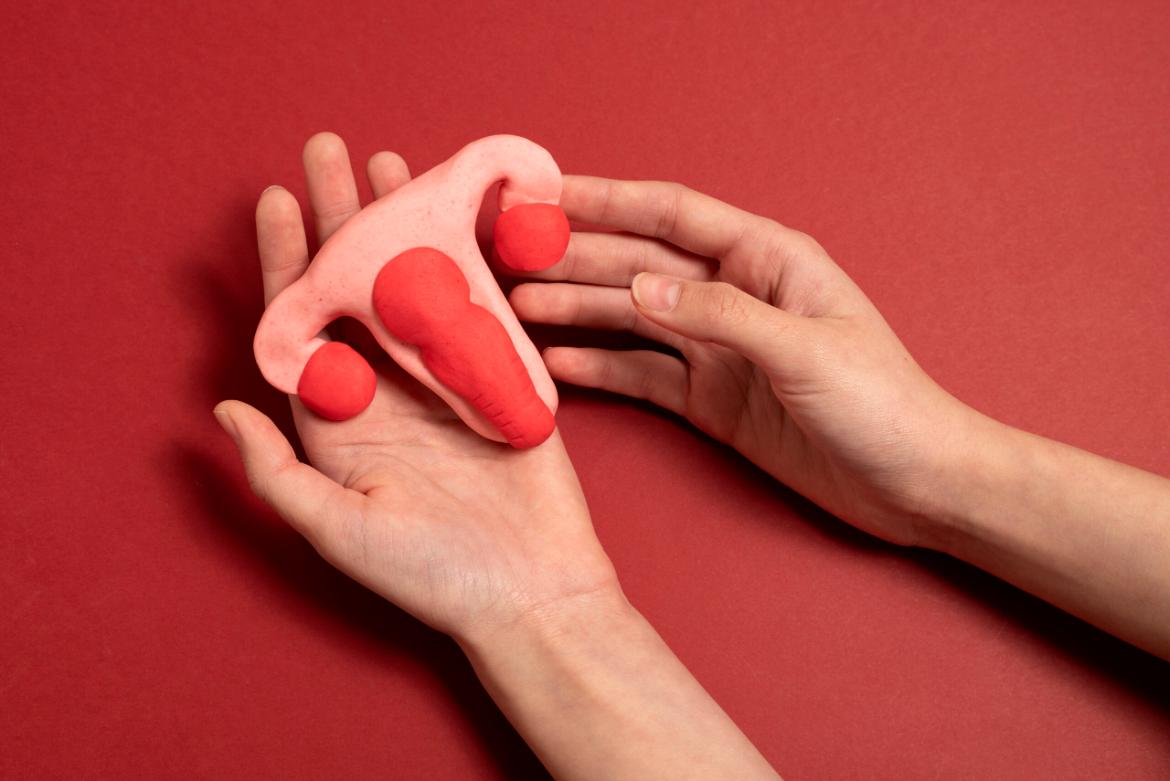
Hermaphrodite
Hermaphroditism, or intersex, refers to the condition in which sex characteristics are not typically male or female. This condition occurs when individuals exhibit varying combinations of genitalia, hormonal makeup, and physical appearance that are not typically defined as male or female. Hermaphroditism is usually noticeable at birth, but in some cases, it may not become apparent until puberty or later.
Many intersex individuals may appear to have a single genitalia, typically appearing closer to male or female. However, there may be differences in the internal structure of the body related to sex. In hermaphroditic individuals, gender identity is based on their internal experiences and self-identification rather than externally visible anatomical structure.
Hermaphroditism is a condition that cannot generally be categorized under a single definition and is examined under various subtypes. Surgical interventions may be considered based on the individual's health, preferences, and impact on their life, but these decisions are generally based on the needs of the individual and their family.
These conditions are often detectable based on symptoms or specific medical examinations. However, the majority of intersex individuals can live healthy lives and still have a unique gender identity. These individuals may be diagnosed through medical screenings or examinations, particularly if they have symptoms or signs. However, the impact on the gender identity and lives of hermaphrodites can vary from person to person and can occur across a wide spectrum.
What causes hermaphroditism?
The causes of hermaphroditism, or intersex, have not been definitively determined. This is a condition in which an individual's sex characteristics are not typically male or female. It usually results from a combination of genetic, hormonal, or developmental factors.
Causes associated with hermaphroditism may include:
- Genetic variations: Changes or abnormalities in sex chromosomes (such as XX, XY) can lead to hermaphroditic conditions. For example, genetic variations such as 45+X0, 46+XXY, and 46+XXX can trigger intersex conditions.
- Hormonal imbalances: Exposure to sex hormones or irregular production of these hormones during fetal development can affect hermaphroditism.
- Problems in development: Inadequate secretion of sex hormones from the ovaries or testes, or developmental problems in regulating the effects of these hormones, can lead to intersex conditions.
- Environmental factors: Environmental factors such as exposure to chemicals, agricultural pesticides, or radiation are thought to increase the risk of hermaphroditism. However, the net effect of these factors has not been definitively determined.
- Other medical conditions: Certain medical conditions or genetic disorders can trigger intersex conditions. For example, conditions such as congenital adrenal hyperplasia or aromatase deficiency can be associated with hermaphroditism.
While these factors may contribute to the development of hermaphrodite status, it's important to note that each condition varies from individual to individual, and each intersex condition is unique. It's also important to remember that intersex status is not a disease or disorder, and that individuals can live healthy lives. It's important to understand this condition and provide appropriate support and respect for individuals' needs.
What are the symptoms of hermaphrodite?
The symptoms seen in hermaphroditic individuals can include a range of conditions, each with its own unique characteristics. Hermaphroditism can manifest in many different ways and can vary greatly from individual to individual. Some possible symptoms may include:
Genital anomalies:
- Small penis size (micropenis) or clitoris that is larger than normal or penis-like (clitoromegaly).
- Ambiguous genital appearance.
- Hypospadias: A condition in which the urinary tract opens to a different location than normal, usually on the underside of the penis.
- Labia adhesion (labial fusion): The union or closure of the external genital organs in women.
Changes in sex characteristics:
- The development of sex characteristics during puberty is abnormal, delayed, or uncharacteristic.
Other physical findings:
- Undescended testicles: A condition in which the testicles in men fail to descend to their normal position.
While these are among the possible symptoms observed in hermaphroditic individuals, the combination and severity of these symptoms can vary from person to person. Hermaphroditism is usually noticeable at birth, but in some cases, symptoms may appear during or after puberty.
The health conditions and symptoms of hermaphroditic individuals can vary considerably. Therefore, a thorough evaluation by doctors and specialists is essential to assess the individual characteristics and health needs of each individual. It is important to remember that this condition is not a disease or disorder, and to respect individuals' right to self-identify.
What are the types of hermaphroditism?
Hermaphroditism can occur in different forms, often due to various disorders of sexual development. Each condition can vary depending on the individual's chromosomal makeup, reproductive organs, and external sex characteristics. Some common types of hermaphroditism include:
45+XX:
- In this case, the chromosome structure of the individuals usually represents female characteristics (XX), but male-type genitalia may be present in the external appearance.
- Ovaries may be present and female reproductive organs such as the vagina and uterus may be present.
- Symptoms such as clitoris enlargement and labia adhesion may be observed.
45+XY:
- The chromosome makeup of individuals typically represents male sex (XY), but external genitalia may be missing or have an ambiguous appearance.
- The testicles may be normally developed, have structural abnormalities, or be absent.
- This condition is associated with an imbalance between male and female hormones.
True (Gonadal) hermaphroditism:
- In this case, individuals may have both testicular and ovarian structures.
- The chromosome structure can be XX, XY or a combination of these chromosomes.
- The external genitalia may be female, male, or ambiguous.
Complex or undetermined disorders of sexual development:
- This category includes hermaphroditic individuals who often have atypical chromosome structures (e.g., 46+XXY, 46+XXX, 45+X0).
- External and internal genitalia may differ depending on the type of chromosomal disorder.
Rather than being generally classified as a single type, hermaphroditism encompasses a range of conditions that can present in complex and diverse ways. The symptoms and manifestations of these conditions can vary significantly among individuals. Therefore, each individual's situation and needs may vary and require a personalized approach.
How is hermaphrodite diagnosed?
Diagnosis of hermaphroditism is made using various medical tests and examinations. Depending on the type of hermaphroditism, the diagnosis can be made immediately after birth or later, during adolescence or adulthood. Some methods used to diagnose hermaphroditism include:
Physical Examination: A physical examination during the newborn period can help identify abnormalities in the external genitalia. Findings such as labial adhesion, uncertainty about penis size (micropenis), and an enlarged clitoris are considered at this stage.
Laboratory tests:
- Chromosome analysis: Tests to determine chromosome structure can help detect any abnormalities in an individual's chromosomes.
- Measurement of hormone and electrolyte levels: Imbalances or abnormalities in hormone levels may be important in diagnosing the condition of hermaphroditism.
Imaging methods:
- Ultrasound imaging: Can be used to visually examine the structure and development of reproductive organs.
- Magnetic resonance imaging (MRI): Can be used to get a more detailed image of organs.
Endoscopic examinations: Endoscopic examinations can aid in visual examination of internal structures. They can provide information, particularly regarding the condition of the internal genital organs.
Molecular testing: Genetic testing and molecular analysis can be used to detect genetic abnormalities that may cause hermaphroditism.
These tests and examinations are some of the primary medical methods used to evaluate and diagnose hermaphroditism. In each case, doctors generally make a diagnosis based on the individual's symptoms, physical findings, and, if necessary, the results of detailed medical imaging or testing. Because each individual's situation is unique, the diagnostic process must be personalized and managed by specialist physicians.
How is hermaphroditism treated?
In cases of hermaphroditism, treatment and management often vary depending on individual characteristics, family preferences, ethical guidelines, and recommendations from healthcare professionals. Treatment and management encompass many different factors, and each situation must be addressed on an individualized basis. Here are some treatment approaches:
Surgical intervention:
- In hermaphroditic babies, the more dominant sex can usually be assigned based on anatomical considerations. This may involve surgical correction of the external genitalia or the creation of anatomical features of a specific sex.
- Surgery can be performed to achieve anatomically appropriate appearance for the assigned gender. However, decisions regarding the timing and extent of surgical interventions should be made by specialist doctors in conjunction with the family.
Wait-and-see approach:
- In some cases, rather than surgically assigning hermaphroditic babies to a specific gender, it may be preferable to wait until puberty. During this time, the individual can make their own decisions about gender identity and develop a treatment plan in collaboration with specialists.
Psychosocial support and counseling:
- Hermaphroditic individuals and their families can benefit from psychosocial support, counseling, and information resources. Psychological support is important in making decisions about sexual identity and gender.
Treatment and approach to hermaphroditism emphasize that each individual is unique and therefore requires a personalized approach. Therefore, it is important for individuals and families experiencing this condition to collaborate with qualified healthcare professionals to assess their condition and determine the most appropriate treatment plan.
Can hermaphrodites have children?
The reproductive capacity and fertility of individuals with hermaphrodites (disorders of sexual development) vary depending on the complexity of the condition, their genetic makeup, and the condition of their reproductive organs. In some cases, hermaphrodites can produce eggs or sperm, but these reproductive cells are generally unable to be used for healthy reproduction or have a low chance of conceiving or having children naturally.
In individuals with 46,XX chromosomes (female pseudohermaphroditism), sperm production may be possible in rare cases. In individuals with 46,XY chromosomes (male pseudohermaphroditism), sperm production or fertilization capacity may vary depending on the condition of the reproductive organs and the health of the testicles.
However, in cases of hermaphroditism, fertility is often reduced or, in some cases, completely absent. The uncertain or complex structure of the reproductive organs, hormonal imbalances, or genetic factors can hinder or complicate the natural reproductive process. Therefore, when hermaphroditic individuals wish to have children, they should work with fertility specialists and specialist physicians to evaluate various reproductive options. These options may include assisted reproductive technologies, donor egg or sperm, and surrogacy. However, in all cases, the individual's medical history, physical condition, and preferences should be taken into consideration.
