


Hepatitis D
Hepatitis D is a liver infection with severe symptoms that can lead to lifelong liver damage and even death. Hepatitis D is caused by the hepatitis delta virus (HDV). HDV is the most severe form of hepatitis because, over time, it can lead to serious complications such as liver cancer or liver failure.
Hepatitis D can be transmitted through direct contact with the body fluids of an infected person. Transmission is particularly risky through blood, sharing needles, sexual contact, or from mother to baby during birth.
Hepatitis D has two forms: acute and chronic. Acute hepatitis D appears suddenly and generally causes more severe symptoms. This form usually resolves spontaneously. However, if the infection persists for six months or longer, it is considered chronic hepatitis D. Chronic hepatitis D is a condition that progresses, leading to increased liver damage and increased risk of complications. Cirrhosis, or severe liver scarring, can occur.
There is currently no specific vaccine or antiviral treatment for hepatitis D. However, the hepatitis B vaccine is recommended both to prevent hepatitis B infection and to protect against hepatitis D. Treatment, when diagnosed early and managed appropriately, can help prevent or delay liver failure. Therefore, it is important for people at risk for hepatitis D to have regular health checkups and take appropriate precautions to reduce their risk of infection.
Causes of Hepatitis D
- Hepatitis B virus (HBV) infection: Hepatitis D occurs only in people who have HBV infection. HDV is HBV-dependent, meaning HDV infection occurs only in people who are carriers of HBV. Because HDV is a virus that uses HBV, you must first be exposed to HBV to contract hepatitis D.
- Bloodborne transmission: Hepatitis D can be transmitted through contact with infected blood. Shared needles, particularly during intravenous drug use, direct contact with infected blood, transfusing blood from an infected person, or sharing blood products can all lead to hepatitis D transmission.
- Sexual contact: Hepatitis D can also be spread through sexual contact with an infected person. Unprotected sex, especially with a partner who has hepatitis D, can contribute to the spread of hepatitis D.
- Mother-to-baby transmission during birth: Hepatitis D can be transmitted from an infected mother to her baby during birth. This usually occurs if the mother is infected with HBV or HDV.
Hepatitis D is contagious through contact with the blood, vaginal fluids, semen, or other body fluids of an infected person. Contact with an infected person or contact with infected blood can spread hepatitis D.
Because hepatitis D occurs in people who have hepatitis B infection, protection with the hepatitis B vaccine is an important step in preventing hepatitis D. Additionally, precautions such as following health guidelines, safe sexual practices, and using sterile needles can also help prevent the spread of hepatitis D.
Hepatitis D Risk Factors
- Hepatitis B infection: Hepatitis D occurs in individuals infected with the hepatitis B virus (HBV). HDV is HBV-dependent, meaning that HDV infection occurs only in individuals who are carriers of HBV. Therefore, individuals with hepatitis B infection are at risk for hepatitis D.
- Intravenous drug use: Sharing injected drugs increases the risk of hepatitis D infection among those involved in intravenous drug use. Transmission may occur through shared needles or other injection equipment.
- Blood or blood product transfusion: Hepatitis D can be transmitted through the transfusion of infected blood or blood products. People who come into contact with infected blood or blood products are particularly at risk of hepatitis D infection.
- Sexual contact: Hepatitis D can also be spread through sexual contact with an infected person. Unprotected sex or multiple sexual partners can increase the risk of hepatitis D infection.
- Motherhood: Hepatitis D can be transmitted from a mother to her baby during birth. If the mother has both hepatitis D and hepatitis B infections, the baby can be exposed to hepatitis D.
- Liver transplant: People who have had a liver transplant take immunosuppressant medications, weakening their immune systems and making them more susceptible to hepatitis D infection.
Having these risk factors increases the risk of hepatitis D infection. Individuals with hepatitis B infection, those who come into contact with infected blood or body fluids, those who share injected drugs, those who engage in unprotected sex, and newborn babies are particularly at risk for hepatitis D. Vaccination, practicing safe sexual practices, and avoiding contact with infected blood are important for protecting against hepatitis D.
Hepatitis D Symptoms
Symptoms of hepatitis D are often associated with liver damage, which exacerbates the symptoms of hepatitis B infection. Symptoms can vary depending on whether the infection is acute or chronic. Below are common symptoms of hepatitis D:
- Fatigue and weakness: Severe fatigue and feeling of weakness are common symptoms.
- Loss of appetite: Aversion to food, loss of appetite and weight loss may occur.
- Abdominal pain: Pain can range from mild to severe in the abdominal area. Pain is particularly common in the upper right abdomen.
- Nausea and vomiting: Feelings of nausea and vomiting may occur.
- Jaundice: Yellowing of the skin and eyes (icterus) occurs. Jaundice is caused by impaired liver function.
- Dark urine: Urine may be dark in color.
- Clay-colored stools: The stool color may be pale or clay-colored.
- Muscle and joint pain: Muscle and joint pain may be felt.
When hepatitis D is an acute infection, symptoms can often be more severe. However, in some cases, hepatitis D infection can be asymptomatic or have mild symptoms. In people with chronic hepatitis D infection, liver damage can progress over time and lead to serious complications such as cirrhosis or liver cancer.
Hepatitis D symptoms can be similar to those of other liver diseases, so it's important to see a healthcare professional for diagnosis and treatment. Your doctor will confirm your diagnosis using your symptoms, as well as blood tests and other medical imaging methods.
How is Hepatitis D Transmitted?
Hepatitis D is a liver infection caused by a virus called hepatitis D virus (HDV). HDV occurs only in people infected with the hepatitis B virus (HBV). Hepatitis D can be transmitted through:
Bloodborne transmission: Hepatitis D can be transmitted through contact with infected blood. The main ways this occurs are:
- Shared needles: Sharing injectable drugs or sharing equipment containing injectable substances.
- Blood transfusion: Receiving blood from an infected person or sharing blood products.
- Injuries: Wounds or cuts that come into contact with contaminated blood.
Sexual contact: Hepatitis D can be transmitted through sexual contact with an infected person. The risk of transmission is particularly high during unprotected sexual intercourse (vaginal, anal, or oral) with an infected partner. HDV can be transmitted through contact with sexual fluids and blood.
Mother-to-baby transmission during birth: If the mother is infected with hepatitis D, the virus can be passed to the baby during birth. This type of transmission usually occurs through infected vaginal fluids or blood in the birth canal.
Hepatitis D is spread through contact with an infected person's blood, vaginal fluids, semen, or other body fluids. Sharing needles, sexual contact, or contact with infected blood can spread hepatitis D.
Because hepatitis D occurs in people who have hepatitis B infection, it is important to be vaccinated against hepatitis B and avoid contact with infected blood or body fluids. Additionally, practicing safe sexual practices and using sterile needles helps prevent the spread of hepatitis D.
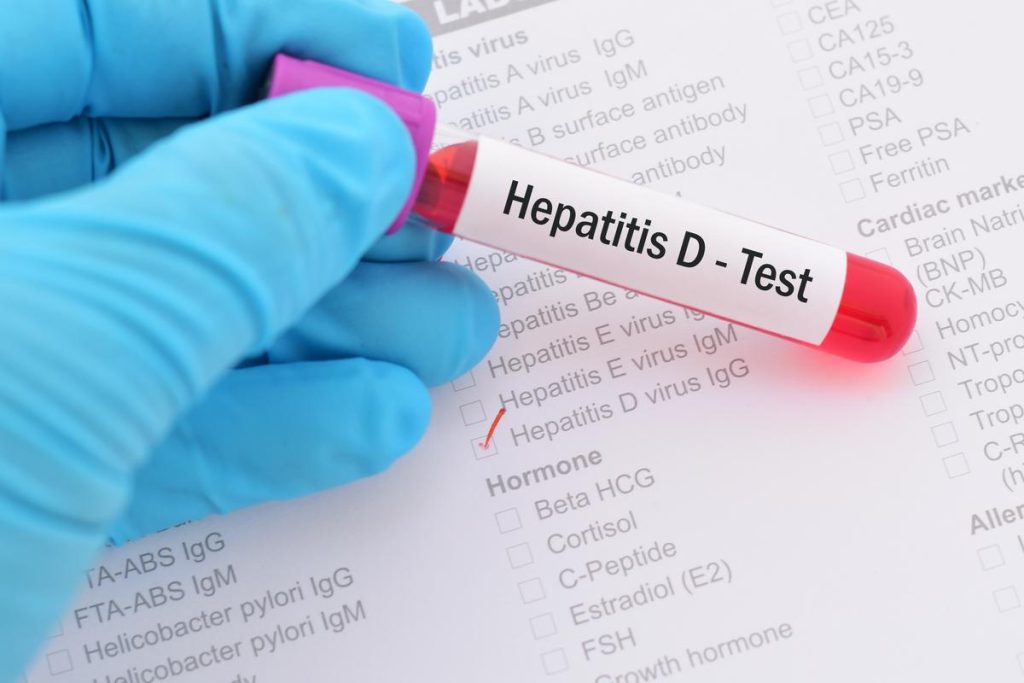
Hepatitis D Diagnosis
Hepatitis D is diagnosed using a variety of laboratory tests and clinical evaluations. Below are some commonly used methods for diagnosing hepatitis D:
Blood tests : Blood tests are used to diagnose hepatitis D infection and assess its severity. These tests may include:
- HDV antibody test: This test is performed to detect antibodies that indicate exposure to HDV infection.
- HDV RNA test: Used to confirm the genetic material (RNA) of HDV. This test is performed to detect active HDV infection.
- Liver function tests: These are performed to assess liver damage by evaluating levels of liver enzymes and other markers.
- Imaging tests: Imaging tests such as ultrasound , magnetic resonance imaging (MRI), or computed tomography (CT) scans may be used to evaluate liver damage or complications.
- Liver biopsy: A rarely used procedure, a liver biopsy takes a sample of liver tissue to assess the severity of the infection, liver damage, and complications.
Diagnosis of hepatitis D is usually made by positive HDV antibodies, detection of HDV RNA, and observation of certain changes in liver function tests.
How is Hepatitis D Treated?
Treatment of hepatitis D requires a multidisciplinary approach that includes the use of antiviral medications and monitoring of liver function. However, there is currently no specific antiviral treatment for hepatitis D. The primary goals of hepatitis D treatment are to:
- Reducing liver damage: Treatment involves using antiviral medications to reduce liver damage and slow the progression of the disease. Pegylated interferon-alpha is the most common medication used to treat hepatitis D. This medication is used to suppress HDV infection and control viral replication. However, response to treatment varies and may not be effective in all patients.
- Monitoring liver function: It's important to regularly monitor liver function during treatment. This includes checking liver enzymes, viral load, and other liver function tests. This is important to evaluate treatment effectiveness and monitor for potential side effects.
- Managing complications: Hepatitis D can lead to serious complications such as liver failure, cirrhosis, and liver cancer . Therefore, it is important to regularly monitor the patient for complications and implement appropriate treatment methods when necessary.
Additionally, hepatitis B vaccination is recommended to prevent hepatitis D infection and reduce the risk of complications in people with hepatitis B infection. Vaccination of people with hepatitis D infection is not recommended because HDV can only be present in people with HBV infection.
What Can Be Done to Prevent Hepatitis D?
- Hepatitis B vaccine: Hepatitis D occurs in people infected with the hepatitis B virus (HBV). Therefore, vaccination with hepatitis B is the most effective way to both prevent hepatitis B infection and protect against hepatitis D. Ensure that the vaccination is completed and that protective antibodies have developed.
- Safe sexual practices: Unprotected sexual contact can increase the risk of contracting hepatitis D. You can reduce your risk of infection by practicing safe sexual practices, including using condoms, being in a monogamous relationship, and attending regular sexual health checkups.
- Avoiding needle sharing: The risk of hepatitis D infection is higher among those who use needles. Therefore, you should avoid sharing injectable drugs or injection equipment. Ensure that clean and sterile injection equipment is used.
- Avoiding contact with blood and body fluids: Direct contact with infected blood or body fluids can contribute to the transmission of hepatitis D. Wear gloves when handling blood or body fluids and wash your hands thoroughly after contact.
- Medical precautions: In situations requiring blood and blood product transfusion, medical precautions should be taken, including ensuring a safe blood supply and appropriate testing of blood products. Medical procedures should adhere to infection control guidelines.
- Caution during pregnancy: There is a risk of hepatitis D transmission from mother to baby during pregnancy. Therefore, it is important to be tested for hepatitis D and hepatitis B before or early in pregnancy and to take appropriate precautions if necessary.
It is important to follow these precautions to protect yourself from hepatitis D. It is important for people at risk of hepatitis D to receive the hepatitis B vaccine and follow health guidelines to prevent the spread of infection.
