


Hepatitis A
Hepatitis A is a liver infection caused by a virus called Hepatovirus A. This virus is usually transmitted through contaminated water or food. Viruses found in the feces of an infected person can contaminate water supplies or food, spreading to healthy individuals this way.
The hepatitis A virus colonizes the intestines and travels to the liver, where it infects liver cells and causes liver inflammation. Symptoms usually appear within 2 to 6 weeks after infection.
Hepatitis A is usually mild or moderate, and most people recover completely. However, in some cases, symptoms can be more severe and may require hospitalization.
Hepatitis A is usually self-limiting and has no specific treatment. Patients often find relief from symptoms through rest, good nutrition, and plenty of fluids. Doctors may also sometimes prescribe hepatoprotective medications to help the liver heal.
Hepatitis A is a disease that usually results in complete recovery and does not cause permanent liver damage. However, in rare cases, the disease can lead to serious complications. Therefore, accurate diagnosis, follow-up, and appropriate treatment are crucial.
How is Hepatitis A transmitted?
Hepatitis A virus is often found in the stool of an infected person and can cause infection if ingested. This virus can be transmitted through:
- Contaminated water: It can be transmitted through water sources (rivers, lakes, wells) or drinking water systems contaminated with the feces of an infected person. This typically occurs in unhygienic conditions or areas with poor sanitation.
- Contaminated food: The hepatitis A virus can be spread through food contaminated with the feces of an infected person. Raw or undercooked foods like seafood, fruits, vegetables, salad, frozen fruit, and ice cream can be particularly risky.
- Person-to-person contact: Hepatitis A can be spread through direct contact with feces from an infected person. This may include preparing food without washing hands after using the toilet or close contact with others.
- Sexual transmission: Hepatitis A virus can be transmitted through sexual contact, with the risk being particularly high during anal-oral contact.
- Being in the same environment as an infected person : Living or working in the same house or in the same environment as an infected person can contribute to the spread of the virus if you do not pay attention to hygiene rules.
Hepatitis A virus can be found in high concentrations in the feces of an infected person and can spread easily if the infected person lives in unhygienic conditions or does not follow sanitary regulations. Therefore, observing hygiene measures, using clean water, preparing food safely, and maintaining good personal hygiene are important for preventing infection. Furthermore, the hepatitis A vaccine is an effective way to protect against the disease.
Hepatitis A symptoms
Symptoms of hepatitis A infection usually appear within 2 to 6 weeks after infection. Some people may not develop any symptoms while infected, while others may experience mild to moderate symptoms. Symptoms of hepatitis A may include:
- Weakness and fatigue: General feeling of weakness, tiredness and low energy.
- Loss of appetite: Nausea, vomiting and loss of appetite.
- Abdominal pain: Discomfort, pain, or tenderness in the abdominal area.
- Fever: A fever that can range from mild to moderate.
- Jaundice: Yellowing of the skin and eyes (icterus). This is a sign that the liver is affected.
- Change in urine color: Dark urine, dark yellow or brown in appearance.
- Change in the color and consistency of stool: Lightening and darkening of stool color, sometimes clay-colored stool.
- Muscle aches: Muscle aches and joint pains.
- Headache: Headaches that range from mild to severe.
Hepatitis A symptoms usually appear within 2 to 6 weeks and usually resolve spontaneously, with recovery typically lasting approximately 2 months. Most patients recover completely and experience no permanent liver damage. However, in rare cases, more serious complications can develop, particularly in the elderly or those with existing liver disease.
Hepatitis A risk factors
- Travel history: Hepatitis A infection may be more common in people traveling to areas where infection is common or where sanitation standards are poor. The risk of infection is particularly high in developing countries.
- Drug use: The risk of infection may increase through drug injections or sharing drug equipment.
- Sexual activity: There is a risk of contracting hepatitis A through sexual contact, as it is associated with sexually transmitted infections. The risk is particularly high during anal-oral contact.
- Close contact: Close contact with an infected person (especially family members) can increase the risk of infection. For example, the risk of transmission is higher in homes or communities where the infected person lives in unhygienic conditions or is exposed to the infected person's feces.
- Healthcare workers: Healthcare workers are at risk of hepatitis A infection because they may come into direct contact with infected individuals.
- Personal hygiene habits: Unhygienic conditions, lack of access to clean water and sanitation, and poor personal hygiene habits (such as handwashing) can increase the risk of hepatitis A infection.
- At-risk age groups: Children, teenagers, and people with weakened immune systems (for example, those with HIV infection or those who have received an organ transplant) may be more susceptible to hepatitis A infection.
People with these risk factors should consider vaccination and practicing good hygiene to protect themselves from hepatitis A infection. Vaccination is also recommended for those who have been in contact with an infected person or are at risk of infection.
Hepatitis A diagnostic methods
Hepatitis A infection is usually diagnosed using symptoms, patient history, and laboratory tests. The following diagnostic methods can be used:
Symptoms and history: The doctor evaluates the patient's symptoms and medical history. Symptoms of hepatitis A infection include fever, fatigue, loss of appetite, abdominal pain, and jaundice. The patient's travel history, contact with infected individuals, or risk factors are also taken into consideration.
Blood tests: Blood tests are used to diagnose or rule out hepatitis A infection. Two common types of tests are:
- Hepatitis A antibody tests: These tests detect antibodies against the hepatitis A virus in a patient's blood. IgM antibodies indicate an active infection, while IgG antibodies may indicate protective antibodies resulting from past infection or vaccination.
- Liver function tests: These tests are used to evaluate liver function. Because hepatitis A infection causes inflammation in the liver, elevated liver enzymes (AST, ALT) may be seen.
Other tests: In rare cases, additional tests, such as a liver ultrasound or other imaging tests, may be ordered to provide a detailed evaluation of the patient's liver. These tests can help evaluate possible liver damage or other complications.
Diagnosis of hepatitis A involves a combination of symptoms, history, and laboratory tests. A definitive diagnosis is made by combining laboratory test results and clinical evaluations. If a diagnosis of hepatitis A is made, the doctor will communicate with the patient to determine treatment and symptom management.
How is Hepatitis A treated?
Treatment of hepatitis A infection generally includes symptomatic supportive care and rest. The basic approaches to hepatitis A treatment are:
- Rest: Resting during illness helps the body fight infection and focus on healing. Reducing activity levels supports the healing process.
- Good nutrition: A healthy diet provides the body with the nutrients it needs and boosts energy levels. Patients should follow a balanced diet recommended by their doctor or nutritionist.
- Fluid intake: Adequate intake of water and other fluids helps maintain hydration and improve liver function. It's especially important to drink plenty of fluids when you're at increased risk of dehydration due to symptoms like vomiting or diarrhea.
- Management of symptoms: Medications can be used to relieve symptoms. For example, if you have a fever or pain, painkillers or antipyretics may be prescribed. However, because medications like aspirin can have negative effects on the liver, you should consult your doctor before using them.
- Avoiding alcohol and harmful substances: Alcohol and other liver-toxic substances can worsen hepatitis A infection. Therefore, alcohol and other substances that negatively affect the liver should be avoided during treatment.
Hepatitis A is generally a self-limiting infection, and specific antiviral treatment is generally not required. Most patients experience symptom relief and complete recovery over time.
Throughout treatment, it's important for patients to have regular checkups with their doctor and follow their instructions. Your doctor will monitor your symptoms, assess your liver function, and identify any potential complications.
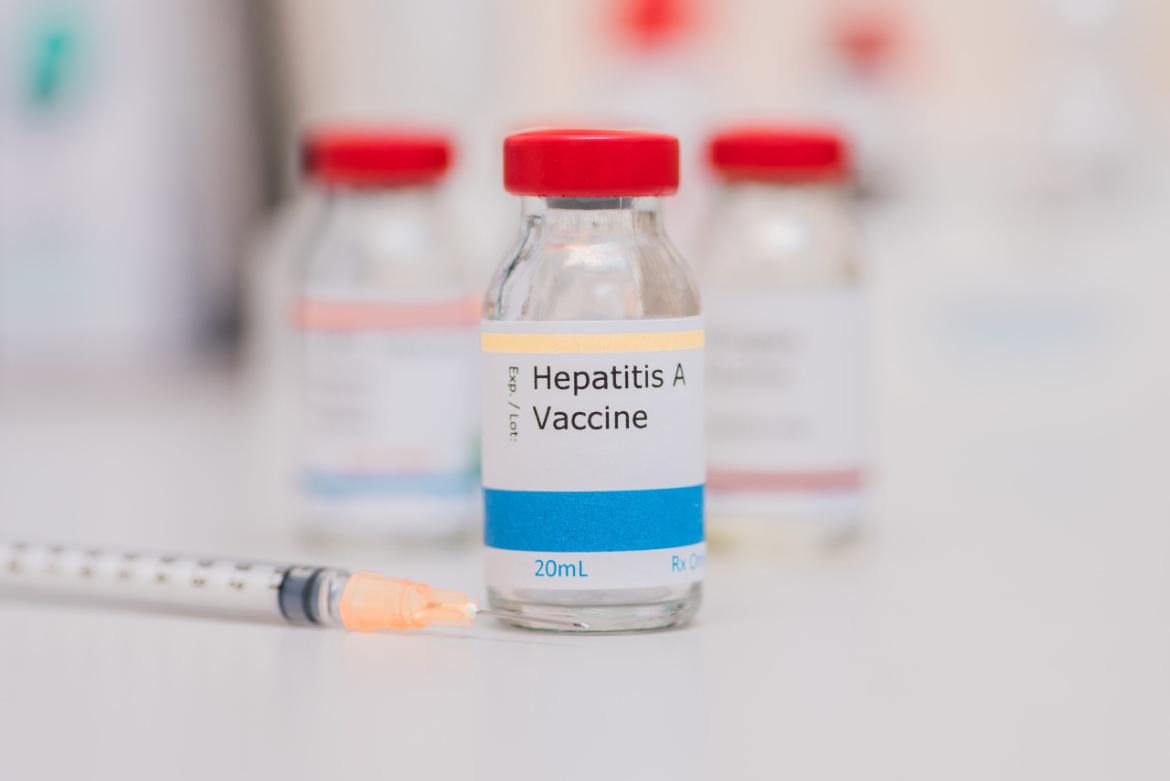
Hepatitis A vaccine
The hepatitis A vaccine is a vaccine used to protect against the hepatitis A virus. This vaccine contains a formulation containing either weakened or killed hepatitis A virus or virus-specific proteins. The purpose of the vaccine is to protect against infection by stimulating the immune system to produce antibodies against the virus.
The hepatitis A vaccine is generally safe and effective. Two doses of the vaccine are usually administered at a specific interval. The second dose is administered a specific time period (usually 6 to 12 months) after the first dose. Completing both doses provides long-lasting immunity.
Hepatitis A vaccine is recommended for the following groups:
- Travelers: Vaccination is recommended for travelers to areas where hepatitis A infection is common or where sanitation is poor. This includes tourists, business travelers, or volunteers.
- Those in high-risk occupations: Those in high-risk occupations, such as health care workers, laboratory personnel, and blood donors, may consider hepatitis A vaccination.
- Vaccination is recommended for those who have had close contact or lived in the same household as a person with hepatitis A infection.
- Groups where sexually transmitted infections are common: Groups where sexually transmitted infections are common may be candidates for hepatitis A vaccination. The risk of infection is particularly increased during anal-oral contact.
- People with liver disease: People who already have liver disease may be more susceptible to hepatitis A infection and experience more serious complications. Therefore, these groups may be candidates for hepatitis A vaccination.
The vaccine is generally safe and well-tolerated, but side effects can occur in some cases. The most common side effects include mild pain, redness, or swelling at the injection site, fatigue, headache, fever, and mild digestive issues. It's important to talk to your doctor about side effects and contraindications to the vaccine before and after your vaccination.
The hepatitis A vaccine provides effective protection against hepatitis A infection and prevents the spread of the disease. However, no vaccine is 100% effective, so it's important to maintain hygiene and minimize risk factors.
Prevention and recommendations for hepatitis A
- Get vaccinated: The hepatitis A vaccine provides effective protection against hepatitis A infection. Travelers, those who have been in contact with an infected person, those in high-risk occupations, and other high-risk groups are candidates for vaccination. Vaccination is one of the most effective ways to protect yourself from infection.
- Maintain good hygiene practices: Washing your hands frequently and properly is important for protecting yourself from hepatitis A and other infections. Washing your hands before and after using the restroom is especially important when in unhygienic conditions. It's also important to wash your hands before and after meals, before preparing food, after touching unclean surfaces, and after contact with contaminated water.
- Drink safe water and foods: Contaminated water or foods can contribute to the spread of the hepatitis A virus. It's important to use safe drinking water by boiling spring water or choosing bottled water. It's also important to choose fresh, washed fruits, vegetables, and other foods to prepare your meals safely.
- Maintain good personal hygiene: Maintaining good personal hygiene practices reduces the risk of infection. It's important to avoid consuming food washed in contaminated water, preparing food on unclean surfaces, and living in unhygienic conditions.
- Be protected during sexual intercourse: It's important to practice safe sex to protect yourself from sexually transmitted infections. Using a condom can reduce the risk of hepatitis A infection.
- Pre-travel preparation: When traveling, it's important to assess your destination's hepatitis A risk and get vaccinated if necessary. It's important to strictly follow hygiene measures in areas with a high risk of exposure to contaminated water or food.
- Protection in high-risk workplaces: People in high-risk jobs, such as healthcare workers, laboratory personnel, and blood donors, should use appropriate protective equipment to protect themselves from hepatitis A infection.
- Precautions when in contact with an infected person: People living in the same household or in close contact with an infected person should maintain good personal hygiene to reduce the risk of infection. It is important to take extra precautions when in contact with someone living in unhygienic conditions.
It's important to follow these precautions to protect yourself from Hepatitis A. Vaccination of at-risk individuals and regular implementation of hygiene practices are effective steps to prevent the spread of infection.
