


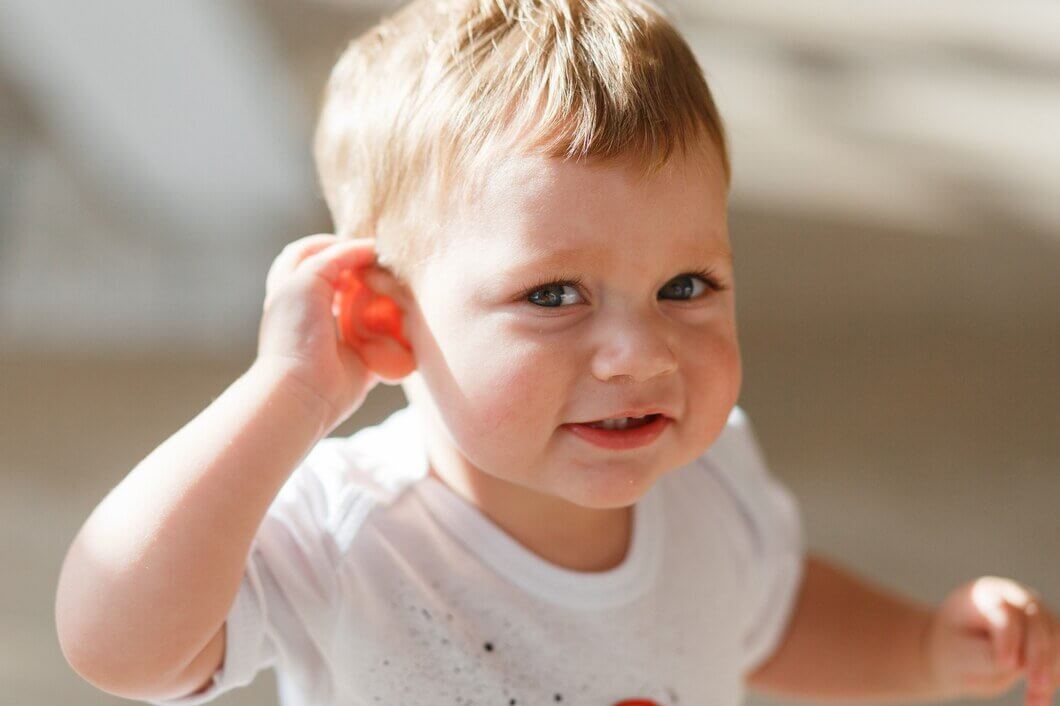
Hearing Problems in Children
Hearing problems in children are a significant health problem during development, directly impacting language development, academic success, and social life. A child with hearing loss can experience difficulties both learning and interacting with peers. With early diagnosis and appropriate treatment, these problems can largely be prevented. Magnet Hospital's specialist physicians, in particular, offer comprehensive solutions to families who suspect hearing loss in their children.
1. What is Hearing Loss in Children?
When investigating the causes of hearing loss in children, it can be determined whether the hearing loss originates in the outer, middle, or inner ear, and treatment can be planned based on the cause, type, and degree of hearing loss. For severe hearing loss, options such as hearing aids, cochlear implants, and bionic ears can be used. Hearing loss treatment in children is successfully performed by specialist physicians in Ankara centers.
2. Causes of Hearing Problems in Children
Hearing loss in children may be congenital or may develop later due to environmental factors or diseases.
a. Congenital Hearing Loss
● Genetic Factors: Children with a family history of hearing loss are at increased risk.
● Infections During Pregnancy: Diseases such as rubella, toxoplasmosis, and rubella, in particular, negatively affect fetal hearing development.
● Birth Complications: Premature birth, oxygen deficiency, or low birth weight can cause hearing loss.
b. Acquired Hearing Loss
● Middle Ear Infections (Otitis Media): Otitis media is the most common cause of hearing loss in children. If left untreated, it can lead to permanent loss.
● Trauma: Blows to the head or ear injuries can seriously affect hearing.
● Exposure to Excessive Noise: Listening to loud music or prolonged exposure to noisy environments increases the risk of hearing loss, especially in school-aged children.
● Medication: Some antibiotics and chemotherapy drugs can damage the ear structure, leading to hearing problems.
3. Symptoms of Hearing Problems in Children
Signs of hearing loss in infants often include a lack of response to sounds, avoidance of eye contact, and delayed speech. Hearing loss is one of the most significant causes of speech delay in children.
a. In Babies and Young Children
● Lack of response to sounds
● Lack of eye contact
● Delay in speech development
● Constant crying and restlessness
b. School-Age Children
● Turning up the volume on your TV and tablet
● Constantly asking “What?”
● Low academic performance
● Social isolation
4. Diagnostic Methods for Hearing Loss in Children
Hearing screenings for children can be performed at many public hospitals, university hospitals, and private healthcare facilities in Ankara. Furthermore, Ankara's pediatric audiology center offers families a reliable diagnostic opportunity. Magnet Hospital's pediatricians and otolaryngologists conduct comprehensive tests to identify the source of hearing problems.
● Medical history and physical examination
● Hearing tests in children (Audiometry and ABR tests)
● Laboratory tests
● Imaging methods (Ultrasound and MRI)
5. Treatment Methods for Hearing Loss in Children
Hearing loss degrees in children are classified as mild, moderate, severe and profound, and a specific treatment approach is applied for each degree.
a. Hearing Aids and Cochlear Implants
Hearing aids offer significant benefits for children with permanent hearing loss. Children's hearing aid prices can vary depending on the brand, model, and technology. Children who use hearing aids can adapt to school and social life with regular follow-up. Cochlear implants are successfully performed by expert teams in Ankara centers. Bionic ear therapy is an important option for children with severe hearing loss.
b. Drug Therapy
If hearing loss is due to an infection, antibiotics or antiviral medications may be used. Early treatment of ear infections in children reduces the risk of permanent hearing loss. Causes of ear infections in infants include a weakened immune system, genetic predisposition, and frequent upper respiratory tract infections.
c. Surgical Intervention
● Holes in the middle eardrum can be repaired with surgery.
● Tubes may be required for recurrent middle ear infections.
d. Speech and Language Therapy
Children with hearing loss may lag behind in speech development. In these cases, specialized language therapists implement individual therapy programs.
e. Special Education and Psychological Support
Children with hearing problems may need support in school. Academic success can be improved with special education programs.
6. Tips for Preventing Hearing Problems
● Regular Health Checkups: Children should have their hearing tested at least once a year.
● Avoiding Noisy Environments: Listening to loud music, especially with headphones, should be limited.
● Early Treatment of Infections: Middle ear infections should not be ignored.
● Healthy Nutrition: Eating habits that strengthen the immune system reduce the risk of infection.
● Family Awareness: Parents should carefully observe their children's reactions.
Safe Hearing Health with 7th Magnet Hospital
If your child has signs of hearing loss, it's important to consult a specialist immediately. Magnet Hospital's expert staff offers effective solutions for the diagnosis and treatment of hearing problems in children.
Phone: 0312 212 8080
Appointment and detailed information: magnethastanesi.com.tr
8. Frequently Asked Questions
-
At what age is hearing loss most common in children?
Symptoms typically begin in infancy. The most obvious signs include a lack of response to sounds and a delayed speech. -
Are hearing aids effective for children?
Yes. Hearing aids are very beneficial for children when selected and used early. -
Does noise cause hearing loss?
Absolutely. Long-term exposure to loud noise can cause permanent hearing loss. -
How is a hearing test performed in children?
During a hearing screening, sounds are sent to the child's ear using a device placed in the ear. When the ear detects the sound, it echoes in the cochlea, which the device records on a computer. The decibels of both audible and inaudible sounds are recorded. -
Where can hearing tests be performed?
Hearing tests are performed in many public and private hospitals in Ankara. Magnet Hospital offers modern hearing tests, including pediatric hearing tests, newborn hearing tests, and all necessary treatments. To learn about hearing test prices in Ankara, please call Magnet Hospital at 0 312 212 80 80. -
My child has frequent ear infections. What should I do?
You should consult a pediatric otolaryngologist. Recurrent infections can lead to permanent hearing loss. -
How is hearing loss detected in children?
If your child isn't interested in what's happening around them, doesn't respond to sounds, doesn't look in the direction of sounds, has a delayed speech compared to peers, and has difficulty using and understanding words, your child may have hearing loss. -
What are the degrees of hearing loss in children?
Very mild hearing loss between 15 and 30 decibels;
mild hearing loss between 30 and 50 decibels;
moderate hearing loss between 50 and 70 decibels
; and profound hearing loss above 70 decibels. -
What causes acquired hearing loss
in children? Exposure to loud noise, ear infections, and severe trauma to the ear can all cause acquired hearing loss. -
Can hearing tests be performed at Magnet Hospital?
Yes. Magnet Hospital offers hearing tests and all necessary treatments using modern equipment. -
When should a newborn's hearing test be performed?
A newborn hearing test should be performed within the first month after birth. In children, a newborn hearing test is critical for early diagnosis. -
Can hearing loss in children be temporary?
Yes, hearing loss, especially that resulting from a middle ear infection, can be temporary after treatment. -
What determines the cost of hearing aids for children?
Prices for hearing aids for children vary depending on the technology used, the brand, and insurance coverage. -
When can a cochlear implant be applied?
Cochlear implants are generally available starting at age 1-2. Cochlear implants are safely performed by specialist physicians in Ankara centers. -
Can hearing loss in children be completely repaired?
It depends on the cause. Temporary losses caused by infection can be repaired, but severe hearing loss requires hearing aids or surgery. -
How is a bionic ear implanted in children?
It's surgically implanted in the inner ear, and the outer ear is compatible with the device. Bionic ear treatment in children is performed by specialist ENT surgeons. -
Which hospital in Ankara offers the best hearing tests for children?
Many public and private hospitals in Ankara offer hearing tests. Audiology tests are performed by specialists at Magnet Hospital Ankara's Pediatric Audiology Center. -
Can a child with hearing loss learn to talk?
Yes, children who use hearing aids or cochlear implants can learn to talk with the support of speech and language therapy. -
Is there government support for hearing loss in children?
Yes, the government provides hearing aid support. Families can obtain information from the Social Security Institution (SGK). -
Do frequent ear infections in children lead to hearing loss?
Yes, recurring ear infections can cause permanent hearing loss. Therefore, treatment for ear infections in children should not be neglected.
