


Health Benefits and Consumption Suggestions of Green Onions
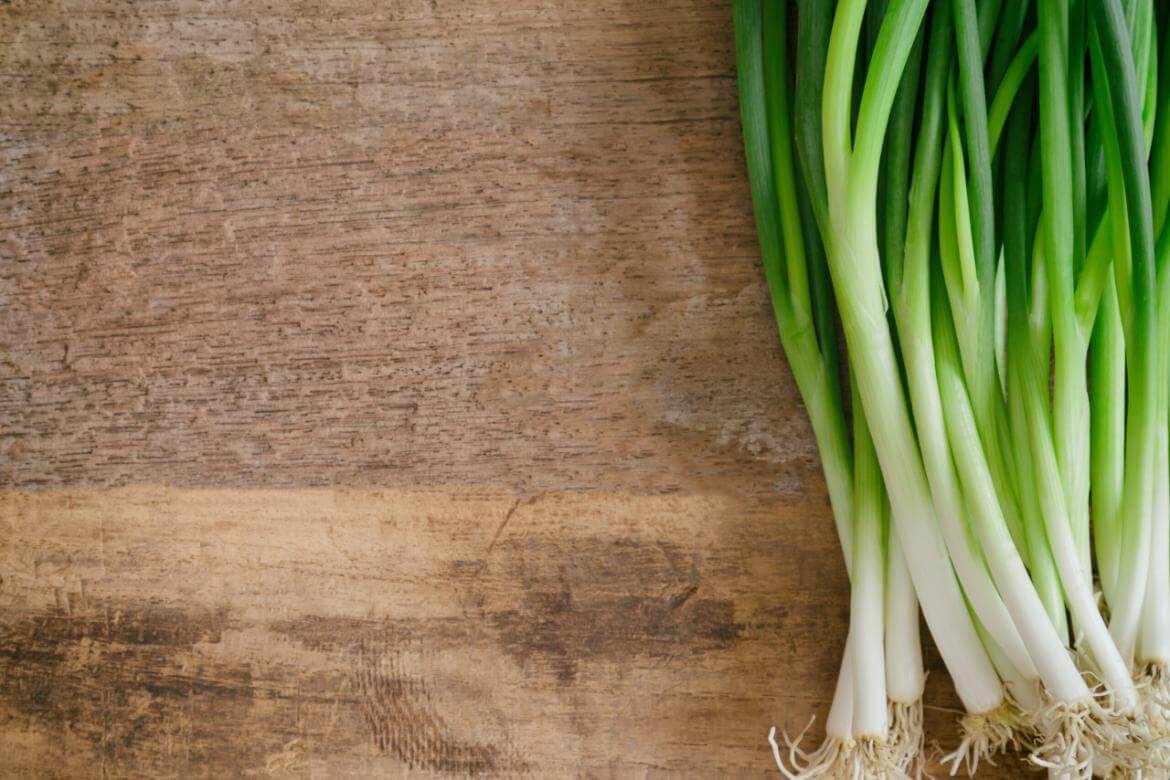
Spring onions are a type of onion that grows naturally and is harvested before they ripen. Often called "green onions," this food has a soft texture and sweet flavor because it's consumed unripe. Both the stem and bulb of spring onions are nutritious and can be consumed.
Its nutritional value differs from that of mature onions. This makes it a particularly vitamin- and mineral-rich vegetable. It's also known for its low calorie content and fiber content, making it a healthy choice for the body.
Widely used in many cultures around the world, it originates particularly from Central Asian cuisine. This delicious vegetable, frequently used in Asian cuisine, adds a touch of culinary delight to a variety of dishes. It can be used both raw in salads and cooked in soups, stews, and garnishes. It's a healthy choice and adds flavor to dishes.
What is the Nutritional Value of Green Onions?
It's low in calories and fat, making it a healthy vegetable option. Because its carbohydrates have a low glycemic index, they don't raise blood sugar rapidly. This is especially important for diabetics.
Containing twice the daily vitamin K requirement, it can contribute to the blood clotting process. Additionally, 15 grams contains the following nutritional values:
- Calories : 4.8
- Fat : 0 grams
- Sugar : 0.4 grams
- Protein : 0.3 grams
- Sodium : 2.4 mg
- Carbohydrates : 1.1 grams
Its vitamin A content can improve vision and protect eye health. This is especially important for healthy eye function. These nutrients make it an essential part of a balanced diet and offer many health benefits.
What are the benefits of green onions?
It has many health benefits and can be consumed both raw and cooked. Some of the benefits of spring onions include:
- Supports heart health: Contains the flavonoid quercetin, which supports heart health. This substance can lower blood pressure and reduce homocysteine levels, reducing the risk of heart disease. Its potassium content can help regulate hypertension. Sulfur compounds may also be effective in reducing the risk of heart disease.
- Strengthens the immune system: Containing vitamin C, potassium, magnesium, and iron, spring onions strengthen the immune system. These vitamins and minerals support the immune system by protecting the body against disease.
- Effective against diabetes: Its low carbohydrate content can help diabetics control their blood sugar. Its rich fiber content helps regulate blood sugar. Furthermore, its flavonoid content makes it a suitable vegetable for people with type 1 and type 2 diabetes.
- Regulates the digestive system: Thanks to its fiber content, it helps eliminate waste from the body. This property regulates the digestive system and increases mineral absorption. Consuming cooked spring onions can help reduce digestive and intestinal disorders. It can also prevent intestinal problems by strengthening the stomach walls.
What are the Harms of Green Onions?
Like any food, excessive consumption can cause various problems in some people. Potential harms:
- Stomach upset: It can cause heartburn and pain in people with sensitive stomachs. It's important to remember that the membrane on the skin can be irritating to some people.
- Gas and indigestion: Consuming large amounts of spring onions can cause gas and indigestion in people with sensitive digestive systems. This may be especially noticeable in individuals with chronic digestive disorders.
- Allergic reactions: Due to its allergenic nature, some people may experience allergic reactions to this vegetable. Those with a history of allergies or experiencing allergic symptoms are advised not to consume green onions without consulting their doctor.
- Blood-thinning effects: It may have a blood-thinning effect. Therefore, it is important for those taking blood-thinning medications not to consume excessive amounts of green onions without consulting their doctor.
- Drug interactions: It is known that green onions can interact with certain medications. It is especially important for individuals taking medication to consult their doctor before consuming green onions.
Because everyone's body is different, the effects of spring onions can vary from person to person. Therefore, if in doubt or for those with specific health conditions, it's best to consult a doctor.
How Should Green Onions Be Stored?
Proper storage is essential to maintain freshness and quality. Here are some tips on how to store it:
- Storing green onions in the refrigerator is the most effective method. You can place the cleaned and dried green onions in a plastic bag or damp cloth in the vegetable compartment of your refrigerator.
- Storing onions in water: Storing cut onions in water can help them stay fresh longer. Place the fresh onion stalks upright in a glass of water and refrigerate.
- Covering with a damp cloth: Storing cleaned green onions in the refrigerator by wrapping them in a damp cloth can prevent them from drying out and preserve their freshness for longer.
- Storing green onions in airtight containers: Storing green onions in airtight, tightly sealed containers is also an option. This will prevent odors from escaping and preserve the onion's freshness.
- Using an oven bag: Storing cleaned and dried green onions in an oven bag in the refrigerator can help them retain their freshness longer.
- Freezing: You can freeze green onions by chopping them. This way, you can store them longer and use them when needed. However, the texture of the onion may change after freezing.
Another important point to remember is to consume onions fresh whenever possible, as they tend to lose their freshness. However, storing them using the methods mentioned above can extend their shelf life a bit.
How to Use Green Onions?
It's a versatile ingredient and can be used in a variety of dishes. Because the stem and bulb have distinct flavors, both parts can be used. Here are some suggestions for using it:
- In salads: Green onions add a fresh flavor to salads. Thinly sliced stems or chopped onion rings can be used in or on green salads.
- In soups and meat dishes: It can be used to add flavor to soups and meat dishes. Adding chopped green onions after cooking can add fresh flavor and color.
- In omelets and egg dishes: Adding chopped green onions to omelets or egg dishes adds flavor and color to these recipes.
- Sauces and dips: It can be used in sauces and dips to enhance their flavor. It pairs particularly well with yogurt-based sauces or spicy sauces.
- In Sandwiches and Wraps: Sliced green onions can provide an extra layer of flavor and freshness in a sandwich or wrap.
- As a garnish: By adding chopped spring onions to or on the side of your food, you can add both visual beauty and fresh flavor to your meal.
- In sushi and Asian dishes: Frequently used in sushi, wok dishes, and other Asian-style dishes, chopped spring onions complement these dishes' distinctive flavors.
- In marinades and sauces: Chopped spring onions are a great ingredient for marinating meats or using in sauces.
The fresh, mild flavor profile of green onions makes them easy to incorporate into many dishes. However, it's important to remember to thoroughly wash and clean green onions before using them. You can also use both parts to make the most of them.
