


HDL Cholesterol
HDL cholesterol is short for high-density lipoprotein cholesterol. Cholesterol is a fat-like molecule found in the body and serves many vital functions. Cholesterol is transported via lipoproteins. HDL is one of these lipoproteins and is often referred to as "good cholesterol."
HDL cholesterol is called "good" because it has positive effects and protective functions in the body. The primary functions of HDL cholesterol may include:
- Cholesterol transport: HDL picks up cholesterol from tissues and carries it back to the liver, removing it from the body. This can reduce cholesterol buildup on artery walls, which can reduce atherosclerosis and the risk of heart disease.
- Antioxidant effect: HDL has the ability to neutralize harmful free radicals in the body. This can reduce cellular damage and inflammation.
- Inflammation control: HDL cholesterol may help prevent inflammation in blood vessel walls. Chronic inflammation can increase the risk of heart disease.
- Platelet function: HDL may reduce the stickiness of platelets and their tendency to clot.
Therefore, maintaining adequate levels of HDL cholesterol is important for maintaining heart health. Generally, high HDL cholesterol levels reduce the risk of heart disease, while low levels can increase it. However, other cardiovascular risk factors should be considered in addition to HDL cholesterol levels, as multiple factors play a role in the development of heart disease.
What should be the normal HDL cholesterol value?
HDL cholesterol levels are generally evaluated in the following ranges:
- Optimal: 60 mg/dL (or higher)
- Good: 50-59 mg/dL
- Borderline low: 40-49 mg/dL (according to some sources)
- Low: Below 40 mg/dL
However, HDL cholesterol levels shouldn't be considered in isolation. Other risk factors, particularly LDL (low-density lipoprotein) cholesterol, total cholesterol, triglyceride levels, and overall health, should also be considered. Your doctor will determine the appropriate HDL cholesterol target for you based on your health and individual risk factors.
In general, high HDL cholesterol levels may reduce the risk of heart disease. However, keep in mind that high HDL levels alone may not be enough, and it's important to consider other cardiovascular risk factors as well.
How do you know if your HDL cholesterol is low?
A blood test is required to determine whether you have low HDL (high-density lipoprotein) cholesterol. This test is often called a "lipid profile" or "lipid panel." Your doctor can order this test to determine your HDL cholesterol level. Based on the blood test results, you can determine whether your HDL cholesterol is low.
HDL cholesterol levels are usually measured in mg/dL (milligrams per deciliter). If your HDL cholesterol level is below generally accepted optimal levels or below the target levels determined by your doctor, you may have low HDL cholesterol.
Your doctor will typically evaluate your HDL cholesterol level, along with other lipid parameters (e.g., LDL cholesterol, total cholesterol, triglycerides), and factors such as your health status to provide a more comprehensive picture. If your HDL cholesterol is low, your doctor can assess your risk of heart disease and recommend treatment or lifestyle changes if necessary.
When should HDL cholesterol be measured?
Monitoring your cholesterol levels is an important way to assess your overall health and heart health. It's especially important to have your cholesterol checked regularly to identify your risk of cardiovascular disease and take the necessary precautions.
In general, even if you don't have any symptoms, you should have your blood lipids, such as HDL cholesterol (high-density lipoprotein cholesterol), LDL cholesterol (low-density lipoprotein cholesterol), total cholesterol, and triglycerides, measured at least once every five years, starting at age 20. These periodic measurements are crucial for early detection of potential risk factors and preventative measures.
Having your cholesterol levels checked is recommended, especially for children and adolescents who have a family history of heart disease, diabetes, or are overweight. This can help establish healthy habits early on and reduce potential risks later.
If you have risk factors such as cardiovascular disease, diabetes, or obesity, it's important to schedule checkups at regular intervals, as determined by your doctor. Your healthcare professional's guidance will include recommendations specific to your individual health situation.
Remember, factors like adopting a healthy lifestyle, eating a balanced diet, exercising regularly, and not smoking can also positively impact your cholesterol levels. It's important to ensure regular checkups to maintain your health and support your heart health.
Why does HDL cholesterol decrease and how can it be increased?
There are several reasons why your HDL (high-density lipoprotein) cholesterol levels may be low, and there are ways to increase your HDL cholesterol. Here's some information on why your HDL cholesterol may be low and how to raise it:
Reasons for low HDL cholesterol:
- Genetic factors: A familial predisposition may cause your HDL cholesterol levels to be low.
- Diet: An unhealthy diet, such as one high in saturated fat and trans fat, can lower HDL cholesterol levels.
- Lack of physical activity: Not getting regular exercise can cause HDL cholesterol to drop.
- Smoking: Smoking can lower HDL cholesterol levels .
- Being overweight or obese: Being overweight or obese can negatively affect HDL cholesterol levels.
- High triglyceride levels: High triglyceride levels can lower HDL cholesterol levels.
How to raise HDL cholesterol:
- Healthy diet: You can increase your HDL cholesterol levels by reducing saturated fat and trans fat content, consuming healthy fats (e.g., olive oil, avocado) and high-fiber foods.
- Regular exercise: Getting at least 150 minutes of aerobic exercise per week (e.g., walking, jogging, swimming) can increase HDL cholesterol.
- Weight management: Maintaining a healthy weight or losing weight can raise HDL cholesterol levels.
- Quitting smoking: If you smoke, quitting can increase your HDL cholesterol.
- Limit alcohol consumption : Excessive alcohol consumption can lower HDL cholesterol levels, so alcohol consumption should be moderate.
- Omega-3 fatty acids : Consuming foods rich in omega-3 fatty acids, such as fish, walnuts, and flaxseed, can increase HDL cholesterol.
- Ideal body mass index (BMI) target: Being within a healthy BMI range can positively impact HDL cholesterol levels.
- Doctor's checkup: If low HDL cholesterol is a serious problem, you can consider medication recommended by your doctor.
What kind of diet should be created to increase HDL cholesterol?
You can follow a healthy diet to increase your HDL (high-density lipoprotein) cholesterol levels. Nutritional recommendations that can help raise HDL cholesterol include:
- Choose healthy fats: Replace saturated fats with healthy fats. Monounsaturated fats, such as olive oil and avocado oil, and foods containing omega-3 fatty acids (fish, walnuts, and flaxseed) can increase HDL cholesterol levels.
- Balanced diet: Eat a balanced diet that includes a variety of fruits, vegetables, whole grains, legumes, and protein sources. This ensures high fiber intake and supports HDL cholesterol.
- Fish consumption: Consuming fish at least twice a week can raise HDL cholesterol levels by increasing your intake of omega-3 fatty acids.
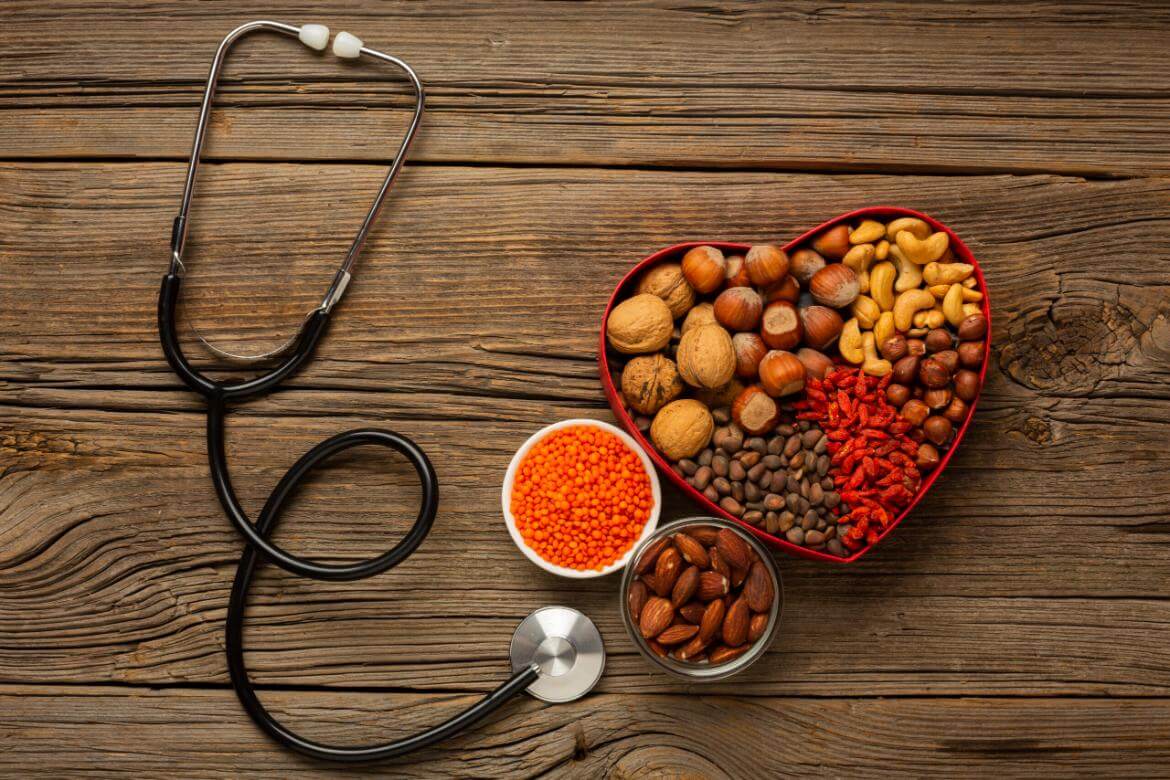
- Nuts and seeds: Nuts and seeds like hazelnuts, almonds, walnuts, chia seeds, flaxseeds, etc. are high in healthy fats and fiber and can increase HDL cholesterol.
- Antioxidant-rich foods: Colorful fruits and vegetables are rich in antioxidants. These foods can reduce inflammation and positively impact HDL cholesterol levels.
- High-fiber foods: High-fiber foods like oatmeal, whole grains, vegetables, fruits, and legumes can increase HDL cholesterol while supporting your digestive health.
- Limit alcohol consumption: Drinking alcohol in moderation can increase your HDL cholesterol levels. However, excessive alcohol consumption can be harmful to your health.
- Avoid trans fats: Avoid foods that contain trans fats, such as fast food, processed foods, and junk food.
- Ideal body mass index (BMI): Staying within a healthy BMI range can positively impact HDL cholesterol levels.
- Low-sugar diet: Balancing blood sugar by limiting refined sugar and high-glycemic index foods can positively affect HDL cholesterol.
In addition to a healthy diet, regular physical activity, not smoking, and managing stress can also help increase HDL cholesterol levels. However, it's recommended to consult a nutritionist or doctor to create a plan that best suits your health and eating habits.
What should be done if HDL cholesterol is low?
If you have low HDL (high-density lipoprotein) cholesterol, you can take several steps to protect your heart health and reduce your risk. Precautions you can take to prevent low HDL cholesterol:
Develop healthy eating habits:
- Avoid foods high in saturated fat and trans fat. These are often found in processed foods and fast food.
- Choose foods that contain healthy fats, especially monounsaturated fats like olive oil, and omega-3 fatty acids.
- Consume more high-fiber foods (seasonal vegetables, whole grains, legumes).
Get regular physical activity:
- Getting at least 150 minutes of moderate aerobic activity per week can increase HDL cholesterol.
- Cardio exercises (walking, running, swimming) and resistance exercises (lifting weights) can positively affect HDL cholesterol levels.
Quit smoking:
- Smoking can lower HDL cholesterol levels. If you smoke, quitting can raise your HDL cholesterol.
Drink alcohol in moderation:
- Moderate alcohol consumption can increase HDL cholesterol levels. However, avoid excessive alcohol consumption.
Control your weight:
- Maintaining a healthy weight and ideal body mass index can raise HDL cholesterol levels.
Consume omega-3 fatty acids:
- Eating fish (e.g., salmon, sardines) may raise HDL cholesterol by increasing your intake of omega-3 fatty acids.
Consult your doctor:
- If low HDL cholesterol is a serious problem, follow your doctor's advice. If necessary, medication or other medical interventions may be considered.
Regular health checks:
- Monitor your HDL cholesterol levels regularly. Monitoring your health can help you take action if necessary.
Is drug therapy used to increase HDL cholesterol?
Yes, medication can be used to raise HDL cholesterol, the "good" cholesterol. HDL (high-density lipoprotein) cholesterol is a type of lipoprotein found in the bloodstream that helps remove cholesterol from artery walls. High HDL levels generally have a protective effect because they can help offset the negative effects of low-density lipoprotein (LDL) cholesterol.
However, whether medication is necessary to increase HDL levels may vary depending on a person's overall cardiovascular health, other cholesterol levels, and risk factors. Some medications and treatment approaches to increase HDL levels may include:
- Niacin (nicotinic acid): This medication can lower LDL cholesterol and increase HDL cholesterol. However, due to its side effects and effectiveness, it should be used under medical supervision.
- Fibrates: This class of medications can also raise HDL cholesterol and lower triglyceride levels. However, it's important to consult your doctor before using these medications.
- Combination therapies: In some cases, it may be necessary to use different medications together to increase HDL levels and restore cholesterol balance.
- Lifestyle changes: Lifestyle changes are often the first recommended step before starting medication. Factors such as a healthy diet, regular exercise, weight control, and not smoking can increase HDL levels.
In all cases, cholesterol treatment requires a personalized approach. Your doctor should determine the most appropriate treatment plan based on your individual health and risk factors.
