


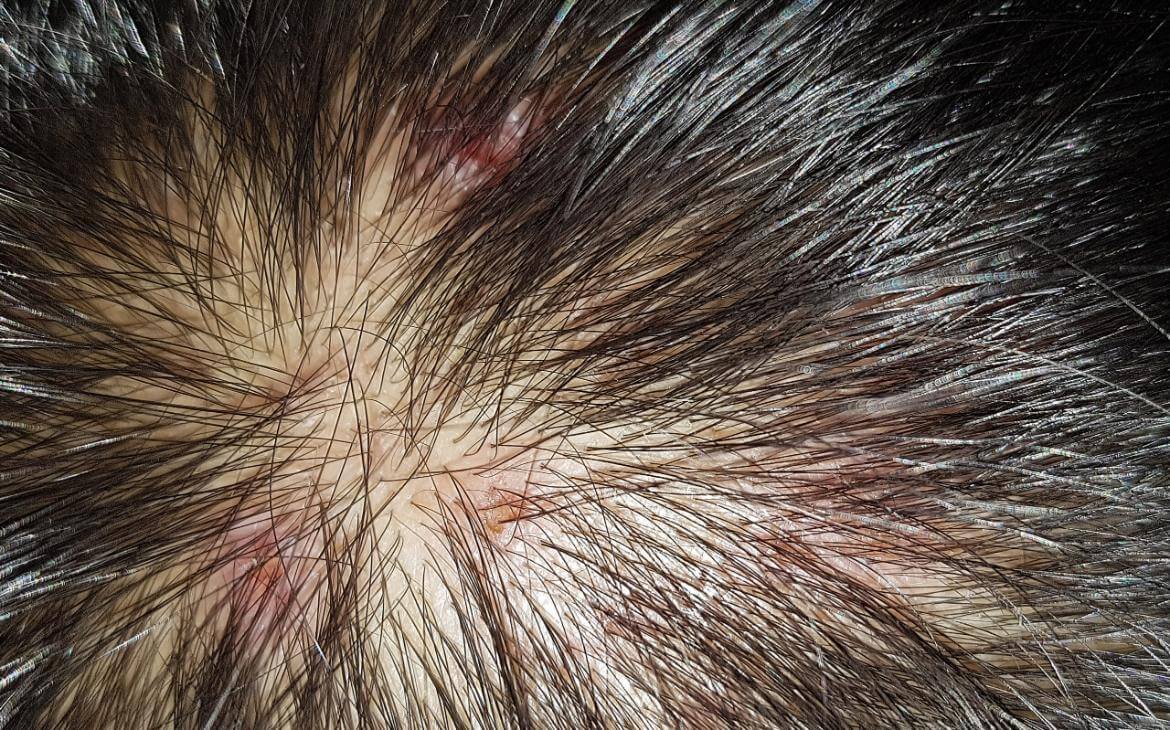
Hair Follicle Inflammation (Folliculitis)
Folliculitis is a skin condition known medically as folliculitis. Folliculitis is an inflammation of the hair follicles from which hair grows. This condition is usually caused by bacterial infections and can manifest as small pimple-like lesions that are red, swollen, and painful. Folliculitis can occur on any hairy area of the body, but it is most common on the beard, mustache, chest, back, and buttocks.
Folliculitis occurs when bacteria enter the hair follicles and cause an infection. Staphylococcus aureus is one of the main causes of this bacterial infection. Fungal infections and certain viruses can also be rare causes of folliculitis.
What causes hair follicle inflammation?
The primary cause of this condition, also known as folliculitis, is an infection of the skin surrounding the hair follicles. This infection is usually bacterial in origin, with Staphylococcus aureus being among the most common causes. However, in some cases, folliculitis can also be caused by fungal infections or viruses. Infections in the hair follicles can develop as a result of skin irritation or damage caused by various factors.
Some common causes of folliculitis include:
- Shaving: Irritation of the skin or injury to hair follicles during shaving can create a portal for bacteria to enter and contribute to the development of folliculitis.
- Skin injuries: Any injury, cut, scrape or scratch on the skin can easily allow bacteria to enter the skin and lead to infection.
- Poor hygiene: Inadequate skin cleansing or moist environments due to sweating can pave the way for bacteria to multiply and folliculitis to develop.
- Ingrown Hair: An ingrown hair is a condition in which a hair grows beneath the skin, unable to reach the surface. This can lead to infection in the areas where the hair is located.
- Trauma or pressure: Factors that can put pressure on the skin, such as tight clothing or tight braids, can irritate the hair follicles and lead to infection.
- Swimming or sauna: Swimming pools or saunas can have high bacterial concentrations, increasing the risk of infection through skin contact.
Folliculitis usually resolves on its own and doesn't require treatment. However, in severe or recurring cases, or if complications develop, your doctor may recommend treatment. In particularly severe cases, antibiotic creams or medications, antibacterial, or antifungal treatments may be applied. To prevent recurrence of folliculitis, it's important to maintain regular skin care, maintain good hygiene habits, and protect the skin from injury.
What are the symptoms of hair follicle inflammation?
- Red and swollen skin: The main symptoms of folliculitis include red and swollen skin around the infected hair follicle.
- Pain and tenderness: The skin area around the infected hair follicle is often painful and tender.
- Pimple-like bumps around the hair follicle: Characteristic symptoms of folliculitis include the appearance of small pimple-like bumps around the hair follicle. These bumps are often filled with white or yellow pus.
- Itching: Itching may occur in the infected area and this may cause discomfort to the person.
- Ingrown Hair: Folliculitis can sometimes be associated with ingrown hairs. Ingrown hairs are a condition in which hairs grow beneath the skin, failing to reach the surface, and can increase the risk of infection.
- Fever: In severe infections, general body symptoms such as fever may occur.
Folliculitis can occur on any hairy area of the body, but is most common on the face, neck, scalp, chest, back, buttocks, arms, and legs. Symptoms of folliculitis are usually mild and self-limiting.
What are the types of hair follicle inflammation?
- Bacterial folliculitis: The most common type of hair follicle infection. It occurs when bacteria such as Staphylococcus aureus enter the hair follicles and cause infection. It often occurs on the scalp and in the beard area.
- Pseudomonas folliculitis: This type of folliculitis is caused by the bacteria Pseudomonas aeruginosa. It typically occurs after exposure to dirty or contaminated water. This type of folliculitis can occur after swimming in pools, hot tubs, or natural springs.
- Fungal folliculitis: This is an inflammation of the hair follicle caused by a fungal infection. It can occur as a result of sweating, especially in humid and warm areas. Various types of fungi, such as sporotrichosis or the fungus Pityrosporum ovale, can cause folliculitis.
- Viral folliculitis: In rare cases, inflammation of the hair follicles can occur due to viruses. For example, the herpes simplex virus can cause folliculitis.
- Gram-negative folliculitis: A rare type of folliculitis caused by Gram-negative bacteria. Gram-negative bacteria are among the organisms found in the environment, living in water and soil.
- Eosinophilic folliculitis: Eosinophilic folliculitis is a rare condition in which white blood cells called eosinophils increase in the hair follicles. The exact cause of this condition is still unknown.
Treatment for folliculitis can vary depending on the underlying cause and the appropriate treatment method. It is typically treated with antibiotics, antifungal medications, or antiviral medications. In severe cases, oral or topical corticosteroids may also be prescribed. Self-treatment attempts, such as squeezing or pinching inflamed hair follicles, should be avoided as this can worsen the infection. It is important to consult a doctor if folliculitis is suspected.
Hair follicle inflammation (Folliculitis) treatment
Folliculitis, also known as folliculitis, occurs when hair follicles become inflamed. Treatment typically includes a variety of options, ranging from simple home remedies to medications prescribed by your doctor. Common methods for treating folliculitis include:
- Hot packs: Hot compresses can help open inflamed hair follicles and relieve inflammation. You can apply a warm water-soaked pack to the inflamed area with a clean cloth or cotton pad for 10-15 minutes. This can help draw out the inflammation and provide relief.
- Antibacterial soap and gentle cleansing: Washing the infected area with a mild antibacterial soap can help prevent infection of the hair follicles. However, be careful to gently clean the inflamed areas rather than scrubbing them.
- Antibiotic ointments: If the infection is bacterial, your doctor will likely prescribe antibiotic ointments. You should apply these ointments regularly to the infected area as directed by your doctor.
- Antifungal medications: If the inflammation is caused by a fungal infection, your doctor may prescribe antifungal medications.
- Oral antibiotics or antifungal medications: In severe or recurring cases of folliculitis, your doctor may recommend oral antibiotics or antifungal medications.
- Steroid creams: Your doctor may recommend topical steroid creams to reduce skin inflammation. However, long-term use of steroid creams should be avoided because they can cause skin side effects.
In addition to treatment, it is important to follow these recommendations to avoid inflammation of the hair follicle:
- Keep your skin clean and wash it immediately when you sweat.
- Shave or epilate using cleaned and disinfected tools.
- Wear comfortable, breathable clothing instead of tight clothing.
- To reduce the risk of infection, shower after using a public pool or hot tub.
- Before shaving the hair follicles, wash the skin with warm water and soap to soften it a bit.
Hair folliculitis can be a distressing condition, and in some cases, it may require intervention from your doctor. For severe or recurring cases, it's best to consult a doctor before attempting home remedies. Your doctor will determine the most appropriate treatment for you.
Does hair follicle inflammation recur?
Yes, folliculitis can recur in some cases. Folliculitis is a condition that occurs when hair follicles become infected, and a number of factors can cause recurring infections. Some reasons why folliculitis may recur include:
- Lack of proper skin hygiene: One of the most common causes of folliculitis is inadequate or dirty skin. Sweating, exposure to contaminated water, or poor hygiene practices can allow bacteria and germs to enter the hair follicles and cause inflammation.
- Shaving method: Frequent and improper shaving can irritate the skin and cause inflammation of hair follicles. In particular, not softening the skin sufficiently or shaving too harshly increases the risk of folliculitis.
- Poor hygiene: Sharing razors, epilators, or towels can spread infections and cause recurrence of folliculitis.
- Clothing: Tight, rubbing, and constricting clothing can irritate the skin and lead to infection of the hair follicles. This risk increases, especially when combined with sweating.
- Weak immune system: People with weak immune systems are more vulnerable to infections and are known to experience more frequent recurrences of hair folliculitis.
- Hair follicle structure: Some people's hair follicles are naturally more susceptible to infection and therefore may be more likely to experience recurrence of folliculitis.
- Fungal or viral infections: In some cases, folliculitis may occur due to fungal or viral infections, and these infections may recur.
