


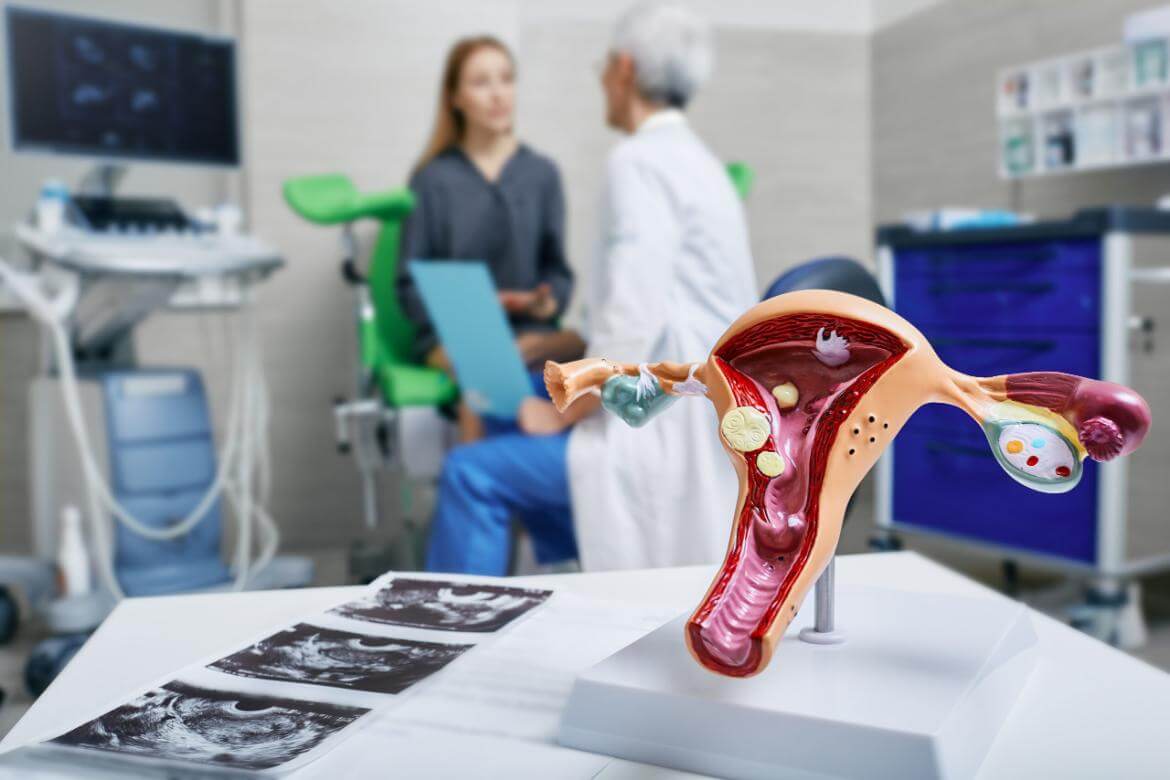
Gynecological Biopsy
A gynecological biopsy is a medical procedure that plays a crucial role in the diagnosis and treatment of diseases related to the female reproductive system. This biopsy involves obtaining tissue samples from the female reproductive organs, such as the uterus, ovaries, cervix, vagina, and vulva. These samples are used to diagnose conditions such as cancer, infections, endometriosis, polyps, and fibroids. A gynecological biopsy is a critical method for the early detection of both benign and malignant conditions.
Types of Gynecological Biopsies
Gynecological biopsies can be performed in different ways, depending on the organs from which the tissue sample is taken. The most common types of biopsies are:
- Cervical Biopsy : A cervical biopsy is a procedure to obtain a tissue sample from the cervix. It is typically performed when abnormal cells are present in the cervix or cancer is suspected. Samples are taken from abnormal areas seen on the cervix during a colposcopy. This type of biopsy may be performed based on the results of screening tests such as a Pap smear.
- Cone biopsy: Used to obtain a deeper sample of tissue from the cervix. It may be done to determine the extent of abnormal cells.
- Endocervical curettage: It is the process of taking a tissue sample from the inside of the cervical canal.
- Endometrial Biopsy : This is a biopsy performed to examine the lining of the uterus for abnormal cells. It is typically performed in cases of abnormal vaginal bleeding, postmenopausal bleeding, or suspected uterine cancer. A device is inserted into the uterus to collect a sample of the endometrium (the lining of the uterus). This biopsy is used to detect endometrial hyperplasia (abnormal growth of the lining of the uterus) and early cancer.
- Vaginal Biopsy: A biopsy performed using a tissue sample taken from the vaginal wall. It can be performed in cases of vaginal cancer, infections, or other vaginal diseases.
- Vulvar Biopsy: The vulva refers to the external genitalia. A vulvar biopsy is a tissue sample taken from the vulva when abnormal cells are suspected. It is used to diagnose vulvar cancer or vulvovaginal diseases.
- Ovarian Biopsy: If there are suspicious lumps or cancer suspected on the ovaries, a biopsy may be performed through a laparoscopic procedure. It is used to diagnose ovarian cancer.
- Preparation: Before the biopsy, the patient's vaginal area is usually cleansed. Some biopsies may require local anesthesia, but more invasive procedures may require general anesthesia. Before the procedure, the doctor will inform the patient about the procedure and ask if they have any allergies or other health problems.
- Procedure: A gynecologic biopsy is usually performed with the patient lying supine. A vaginal speculum is used to open the vagina, and the gynecologist takes the tissue sample needed for the biopsy. In some biopsies, such as colposcopy, the doctor obtains the sample by examining the abnormal area on the cervix or vagina through a microscope.
- Afterward: You may experience some mild pain or cramping after the biopsy. In some cases, light bleeding may also occur. However, patients are generally expected to return to normal activities within a few days.
- Cancer Suspected: A biopsy plays an important role in the early diagnosis of conditions such as cervical cancer, vaginal cancer, vulvar cancer, endometrial cancer, and ovarian cancer. Abnormal cells detected by a Pap smear or other screening tests are further examined with a biopsy.
- Abnormal Bleeding: Complaints such as postmenopausal bleeding, irregular menstrual bleeding, or excessive menstrual bleeding may require an endometrial biopsy.
- Infections: Vaginal and cervical infections can be detected by biopsy. Viral infections, in particular, such as human papillomavirus ( HPV ), can be further investigated by biopsy.
- Endometriosis and Polyps: Uterine conditions such as endometriosis can be diagnosed with a biopsy. The presence of uterine polyps can also be confirmed with a biopsy.
- Ovarian Cysts: A biopsy can be used to definitively determine whether cysts or suspicious masses in the ovaries are cancerous or not.
How is a Gynecological Biopsy Performed?
A gynecologic biopsy is usually performed by a gynecologist in a hospital or clinic. Depending on the type of procedure, the procedure time, anesthesia requirements, and recovery time may vary.
Why is a Gynecological Biopsy Performed?
Gynecological biopsy is frequently used in the following situations:
Gynecological Biopsy Results
Biopsy results are typically available within a few days to a week. The tissue sample is examined under a microscope to provide information about the type, stage, and treatment options for the disease. Positive results (e.g., cancer) offer the opportunity for early treatment, while negative results can alleviate the patient's concerns.
Risks and Complications
A gynecological biopsy is generally a safe procedure, but it does carry risks. These may include infection, excessive bleeding, pain, tissue damage, and reactions to anesthesia. In the event of any complications, it is important for patients to seek prompt medical attention.
Gynecological biopsy is an important diagnostic tool for women's health. It helps accurately diagnose many gynecological conditions by taking samples from organs such as the cervix, vagina, uterus, and ovaries. While early diagnosis increases the chance of cure, the biopsy must be performed correctly and evaluated by a specialist.
