



Goiter
Goiter is a medical condition characterized by enlargement of the thyroid gland. The thyroid gland is an important gland located in the neck that regulates metabolism. It typically occurs due to iodine deficiency or problems with the regular production and release of thyroid hormones.
A goiter can manifest in different ways, depending on the size and extent of the thyroid gland. In some cases, the thyroid gland may be slightly enlarged, while in other cases, the gland may be significantly enlarged, causing swelling or nodules in the neck.
What are the causes of goiter disease?
- Iodine deficiency: Iodine is a key component of thyroid hormones. When the body doesn't get enough iodine, the thyroid gland works harder to increase hormone production, which can cause the gland to enlarge.
- Autoimmune thyroid disease: Autoimmune thyroid diseases occur when the body's immune system mistakenly attacks its own thyroid tissue. Autoimmune thyroid diseases, such as Hashimoto's thyroiditis and Graves' disease, can cause goiter.
- Nodular goiter: Nodules (small masses) that form in the thyroid gland can lead to a goiter. These nodules are usually benign, but in some cases they can be cancerous.
- Medications: Some medications can cause goiter by causing the thyroid gland to enlarge or by disrupting the regulation of thyroid hormones. For example, some psychiatric medications, such as lithium, can cause goiter.
- Pregnancy: Hormonal changes and increased thyroid activity during pregnancy can lead to goiter. This condition is called pregnancy-associated goiter.
- Genetic factors: Some cases of goiter may be due to genetic factors that can be passed down through families. Genetic predisposition plays a significant role, particularly in autoimmune thyroid diseases.
- Other factors: Radiation exposure, certain infections, surgery or injuries to the thyroid gland, hormonal imbalances, and some endocrine disorders can also cause goiter.
Multiple factors can contribute to the development of a goiter, and in some cases, the exact cause may not be identified. In any case, it's important to consult a doctor to determine the exact causes and treatment options for goiter.
What are the symptoms of goiter disease?
Symptoms of goiter can vary depending on the size of the thyroid gland, the cause of the enlargement, and the disorder in thyroid hormone regulation. Common goiter symptoms include:
- Neck swelling or nodules: With an enlarged thyroid gland, you may feel a swelling or nodules in the neck. These swellings may be noticed in the front or lower part of the neck.
- Difficulty breathing: A large goiter can affect the airway and cause difficulty breathing or wheezing.
- Difficulty swallowing : A goiter can cause difficulty swallowing or swallowing. A large goiter can put pressure on the esophagus, making it difficult to swallow.
- Throat pain or pressure: A goiter can cause pain or pressure in the throat. This sensation may be more pronounced with neck movements or pressure.
- Hoarseness: A goiter can put pressure on the vocal cords, causing hoarseness. Changes in tone or a cracked voice may also occur.
- Thyroid hormone imbalances: A goiter can disrupt normal thyroid hormone levels, leading to changes in metabolic rate. Symptoms of hypothyroidism (thyroid hormone deficiency) include fatigue, weight gain, depression, and sensitivity to cold, while symptoms of hyperthyroidism (excess thyroid hormone) include rapid heartbeat, irritability, weight loss, sweating, and hand tremors.
- Other symptoms: Goiter can sometimes be asymptomatic or present with only mild symptoms. However, some individuals may also experience symptoms such as aesthetic concerns, a feeling of pressure, or discomfort in the neck.
The symptoms of goiter can vary from person to person and can sometimes be associated with other health problems. If you experience goiter symptoms, it's important to see a doctor and get the necessary tests for diagnosis and treatment.
How is goiter diagnosed?
- Physical examination: The doctor will examine the neck area to determine if there is a lump or nodule. The size, consistency, and mobility of the goiter will be assessed.
- Thyroid hormone tests: Blood tests measure levels of the thyroid hormones thyroid-stimulating hormone (TSH), triiodothyronine (T3), and thyroxine (T4). These tests help evaluate whether the thyroid gland is functioning normally and whether it is underactive (hypothyroidism) or overactive (hyperthyroidism).
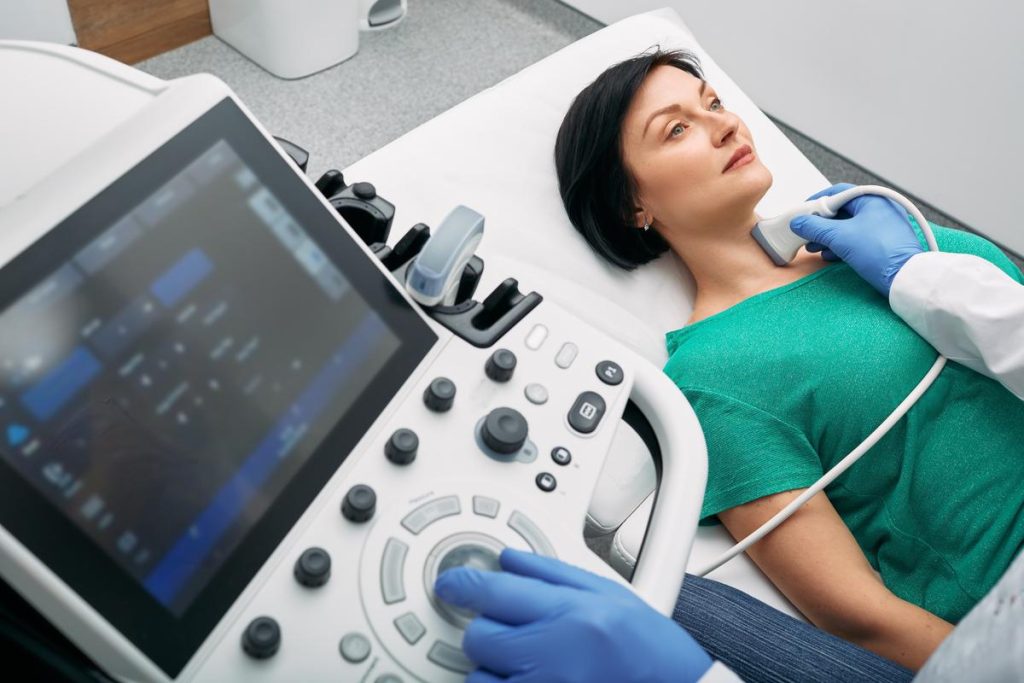
- Thyroid ultrasound: An ultrasound is used to visualize the size and structure of the thyroid gland, as well as any nodules. It helps determine the type and size of the goiter.
- Thyroid scintigraphy: This test is used to evaluate the size, shape, and function of the thyroid gland. A radioactive substance (usually radioactive iodine) is used to image the thyroid gland. This test helps identify nodular goiter or problems with thyroid hormone regulation.
- Biopsy : In cases of large or suspicious nodules, a tissue sample may be taken from the thyroid gland with a needle. This sample is then sent to a laboratory for pathological examination. A biopsy helps determine whether the nodule is cancerous.
These diagnostic methods are used to assess the type and size of the goiter, thyroid hormone levels, and the nature of any nodules. These assessments are important for determining the cause of the goiter and selecting the appropriate treatment method.
How is Goiter Disease Treated?
- Iodine supplements: If iodine deficiency is the primary cause of a goiter, your doctor may recommend iodine supplements or iodized salt to increase iodine levels. This treatment can be effective for goiters caused by iodine deficiency.
- Thyroid hormone replacement therapy: In cases of hypothyroidism (a lack of thyroid hormone), your doctor may prescribe synthetic thyroid hormone medications to replace thyroid hormones. These medications can help stop the growth of a goiter or shrink it by balancing thyroid hormone levels.
- Antithyroid medications: Antithyroid medications may be used in cases of hyperthyroidism (excess thyroid hormone), an overactive thyroid gland. These medications reduce thyroid hormone production and can help control thyroid enlargement.
- Radioactive iodine therapy: Radioactive iodine can be used to target overactive cells in the thyroid gland. Radioactive iodine destroys or shrinks the thyroid cells. This treatment can be especially effective for nodules that cause goiter or for hyperthyroidism.
- Surgery: Large goiters, goiters causing significant symptoms, or nodules suspected of being cancerous may be surgically removed. The thyroid gland may be partially or completely removed (thyroidectomy). Surgery is considered when other treatments are ineffective or inappropriate.
Treatment options may vary depending on the patient's condition, symptoms, and the doctor's assessment. A treatment plan typically includes regular checkups and follow-up appointments.
In all cases, it's important to consult with an endocrinologist or thyroid specialist to diagnose and treat goiter. The specialist will evaluate the patient's condition and recommend the most appropriate treatment options.
Frequently asked questions about goiter disease?
Goiter can occur in both men and women, but it is more common in women. The prevalence of goiter is generally higher in women than in men. This gender difference may be related to hormonal changes. Common causes of goiter in women include hormonal influences, hormonal changes, goiter during pregnancy, and autoimmune diseases.
In what cases is goiter disease treated?
Situations where goiter disease needs to be treated surgically are as follows:
- Significant symptoms: A goiter may cause symptoms due to the presence of significant swelling or nodules in the neck. Surgery may be considered in patients with symptoms such as severe difficulty swallowing, difficulty breathing, extreme hoarseness, or aesthetic concerns.
- Large size: The large size of the goiter can interfere with the airway or put pressure on surrounding tissues. If the goiter is larger than normal and is causing symptoms, surgery may be considered.
- Suspicious nodules: The presence of nodules within the goiter increases the risk of cancer. If nodules are suspected of being cancerous, surgical removal may be recommended. Large or rapidly growing nodules may also require surgery.
- Thyroid cancer: In cases where a goiter is diagnosed as cancerous, surgery is often part of the treatment plan. Surgery is performed to remove the thyroid cancer and prevent it from spreading.
- Resistance to medication: In some cases of goiter, medication therapy fails to provide adequate results or patients experience difficulty taking medications regularly. In these cases, surgery may be considered.
Surgery may be used to reduce the size of a goiter, relieve symptoms, reduce the risk of cancer, or treat cancer. Surgery usually involves removing part of the thyroid gland (partial thyroidectomy) or all of it (total thyroidectomy).
How should one eat to prevent goiter?
It's important to follow a healthy diet and take certain precautions to prevent goiter. Here are some nutritional recommendations for goiter prevention:
- Adequate iodine intake: One of the most common causes of goiter is iodine deficiency. Therefore, it's important to ensure adequate iodine intake. Foods rich in iodine include seafood, iodized salt, milk, and dairy products. However, it's recommended to talk to your doctor about iodine supplements or the use of iodized salt.
- Pay attention to your calcium and iron intake: High iodine intake can interfere with calcium and iron absorption. Therefore, be mindful of your calcium and iron intake when using iodized salt or iodine supplements. Calcium-rich foods include milk, yogurt, cheese, almonds, and broccoli. Iron-rich foods include red meat, chicken, fish, lentils, spinach, and whole grains.
- Limit soy products: Soy-based products contain isoflavones, which can affect thyroid function. Therefore, people at risk for goiter should limit or avoid soy products.
- Cooking certain vegetables, such as raw cabbage, broccoli, and spinach: These vegetables naturally contain compounds called glucosinolates. When consumed raw, glucosinolates can interfere with thyroid function. Therefore, it's best to cook or boil these vegetables.
- Eating a balanced and healthy diet: In general, a balanced and healthy diet is important for preventing goiter. It's important to adopt a diet that includes appropriate amounts of protein, healthy fats, fiber, fruits, and vegetables.
It's important to consult a doctor or nutritionist before making any significant changes to your diet. It's best to get personalized nutrition advice tailored to your specific situation and needs.
