


Gastric Balloon
What is a Gastric Balloon ?
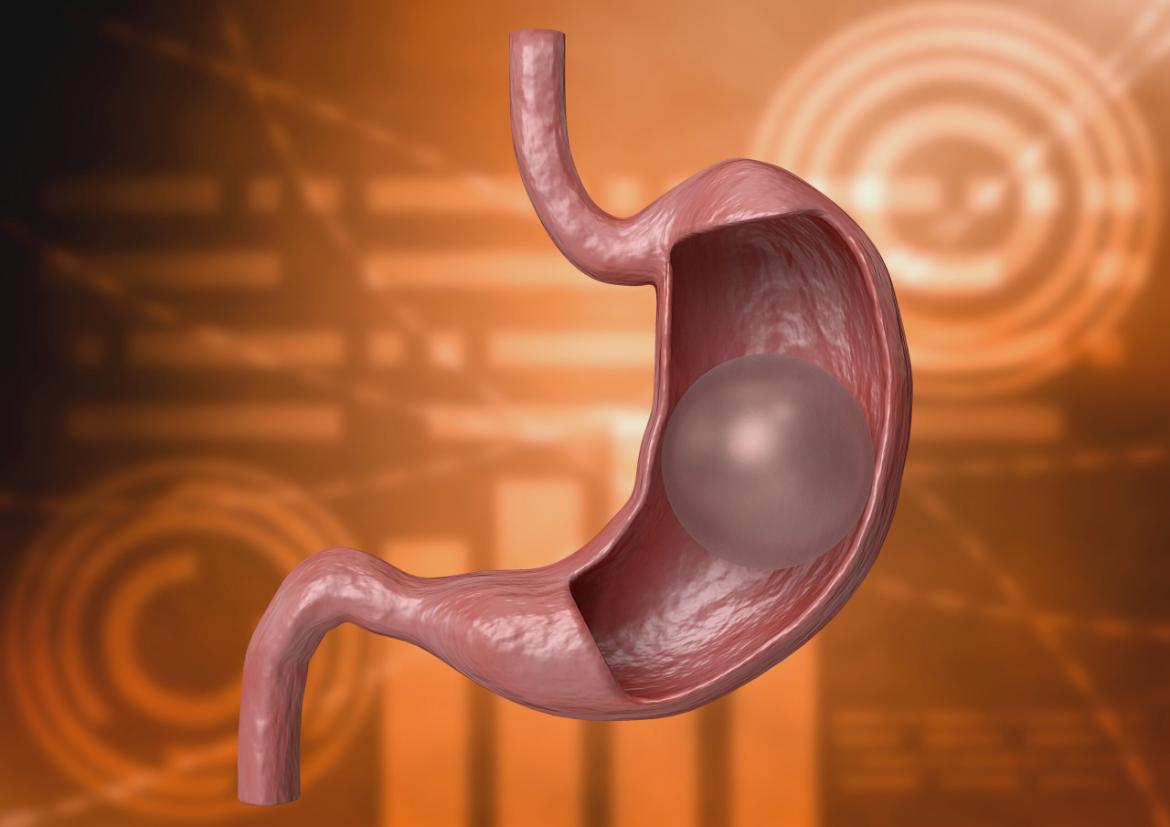
A gastric balloon is a silicone or fluid-filled balloon that is placed endoscopically in the stomach, without any surgical intervention, to help obese individuals lose weight. The balloon, which occupies a significant space in the stomach and reduces its internal volume, can remain in place for 6-12 months. The goal of the gastric balloon weight loss process is to encourage individuals to eat less, regulate their eating habits, and adopt a healthy lifestyle.
How is a Gastric Balloon Applied?
The specialist inserting the gastric balloon may perform some blood tests to evaluate the patient and perform an endoscopy to examine the stomach structure. The patient must fast for 6-8 hours before the procedure. The balloon is placed under light sedation or local anesthesia during insertion. Endoscopy : For gastric balloon placement, a flexible endoscope (a lighted camera tube) is inserted through the mouth into the stomach. The balloon is then inflated with air or saline solution. Once inflated, the balloon is released and remains in the stomach. The gastric balloon insertion takes approximately 20-30 minutes, and the patient is discharged the same day after being observed for a few hours. In the first few days, some people may experience side effects such as nausea, cramping, and vomiting.
Who is a Good Candidate for a Gastric Balloon ?
- Those with a Body Mass Index (BMI) between 30 and 40 : Gastric balloon is recommended for people looking for a non-surgical solution or who are not suitable for surgical methods.
- Those who have health problems related to obesity : It is suitable for those who need to lose weight due to obesity-related diseases such as diabetes, high blood pressure or sleep apnea.
- Inability to Lose Weight: People who cannot lose enough weight with diet and exercise may choose this treatment.
- Those who are not suitable for surgical methods : A gastric balloon may be the solution for people who are at risk for bariatric surgery .
Who Cannot Get a Gastric Balloon?
Before a gastric balloon procedure, the patient must be individually examined and their health status assessed by a specialist . It is not recommended for certain health conditions and conditions. It should not be inserted in the following situations:
- Stomach and Intestinal Problems : Wearing it is not recommended for people with serious health problems related to the stomach or intestines such as stomach ulcers, gastritis, Crohn's disease, ulcerative colitis, stomach cancer.
- Digestive System Abnormalities : May not be suitable for people with structural problems related to the stomach, intestines or esophagus.
- Those with a History of Surgery : It may not be suitable for people who have had previous surgery on the stomach, intestines or other digestive organs (such as gastric banding or gastric bypass surgery).
- Pregnancy and Breastfeeding : Pregnancy and breastfeeding are not suitable for this application.
- Difficulty in Swallowing or Gastric Emptying Problems : It is not suitable for people who have difficulty swallowing or problems with gastric emptying (e.g. diseases such as gastroparesis).
- Psychological Disorders : This practice is not recommended for people with serious eating disorders such as anorexia or bulimia. Such psychological disorders require treatment and can negatively impact their health.
- Severe Cardiovascular Diseases : It may be risky for people with serious cardiovascular problems such as heart disease and high blood pressure.
- Severe Acute and Chronic Infections : It may be unsafe to place in people with active infection or serious illness.
- Addiction and Alcohol Problems : It should not be used in people with alcohol or substance addiction.
What are the advantages of a gastric balloon?
- It carries lower risks than surgical procedures. It does not require general anesthesia and has a low risk of complications.
- Since it does not require a surgical procedure, the patient's recovery is very fast and he does not feel any pain.
- It's not a permanent procedure and is suitable for those seeking a temporary solution. The balloon, which typically remains in the stomach for six months to a year, is removed at the end of the weight loss period.
- It helps people lose weight by making them feel full with less food. When combined with diet and exercise, it provides effective results.
- Placement can usually be done within 20-30 minutes, and most patients stay in the hospital for 1-3 hours.
How Much Weight Can You Lose After a Gastric Balloon?
The amount of weight lost depends on a person's initial weight, eating habits, exercise level, and overall health. Significant weight loss can be achieved with a consistent diet and exercise. Overweight or obese individuals may lose weight more quickly, while those who weigh less may experience a slower rate.
Weight loss with a gastric balloon : Patients experience rapid weight loss in the first few months. Depending on the individual's starting weight and diet, the average weight loss is between 10-20 kg over a 6-12 month period . Some individuals may lose more weight during this time. While the procedure limits the amount of food consumed, it is important to follow a healthy and balanced diet, modify eating habits, avoid high-calorie foods, exercise regularly, and consume low-calorie, nutritious foods.
How Should Nutrition Be After Gastric Balloon?
Healthy eating habits and lifestyle changes are essential for successful weight loss after the procedure. Here are some important points to consider.
- Slow and Balanced Eating : Because this process reduces stomach capacity, it helps you feel full with less food. It's important to eat slowly and chew each bite thoroughly.
- Healthy, Low-Calorie Diet : After the balloon is placed, it's important to eat low-calorie, yet high-nutrient foods. It's essential to consume healthy foods like vegetables, fruits, protein, and complex carbohydrates.
- Fluid Intake : Adequate fluid intake is important to prevent dehydration. However, excessive fluid intake with meals should be avoided.
- Exercise : Regular physical activity supports the weight loss process.
- Psychological Support : Changing eating habits can be psychologically challenging for the patient. Seeking support from a psychologist or dietitian when necessary can help establish sound and effective diet and exercise habits.
What are the harms and side effects?
Stomach pain and cramping may occur in the first few days after balloon placement. This is temporary. Some patients may experience nausea and vomiting in the first few days after the procedure. If the gastric balloon is not placed properly, it can damage and irritate the stomach wall. In rare cases, the gastric balloon ruptures or displaces, and serious complications may require surgery. Long-term use can lead to malnutrition and vitamin deficiencies, and therefore, regular vitamin and mineral supplements may be necessary.
What Should You Pay Attention to After Having a Gastric Balloon Inserted?
After gastric balloon placement, several important points must be taken into account for its success. It's important to rest for the first few days, and strenuous physical activity should be avoided. Some people may experience stomach pain, bloating, or cramping after the balloon placement. This is usually temporary and can be relieved with painkillers recommended by your doctor.
Because stomach capacity is restricted, food should be eaten slowly and chewed in small bites. For the first few days after balloon placement, liquids such as soup, water, and fruit juice should be preferred, and transitioning to solid foods should only be done with a doctor's advice.
Low-calorie yet nutritious meals should be preferred. A protein-rich diet can promote weight loss and prevent muscle loss. Chewing food thoroughly facilitates digestion and prevents stomach strain.
It's important to drink enough water in the first few days. Avoid consuming liquids with meals, as they can further distend the stomach. Liquids should be consumed at least 30 minutes before or after meals.
Exercise plays a crucial role in accelerating weight loss. Strenuous exercise should be avoided for the first few weeks after balloon placement. Light walking is acceptable with your doctor's approval. After 2-4 weeks, a healthy, regular exercise program is recommended.
How is the Gastric Balloon Removed?
Removal of the gastric balloon is performed 6 to 12 months after the procedure and is relatively simple. The balloon is removed through the mouth, esophagus, and stomach using an endoscopic camera. This procedure usually takes a few minutes. A doctor's examination is necessary before removal to determine if the balloon is properly positioned and if there are any complications.
Removal of the gastric balloon begins with draining the fluid from the balloon. The balloon is usually made of silicone and filled with fluid. The doctor drains the fluid, softening and shrinking the balloon. Using specialized tools, it is carefully removed from the stomach.
Following balloon removal, patients can generally be discharged the same day. Some individuals may experience stomach pain, bloating, or mild nausea after the procedure. A liquid diet may be recommended for 1-2 days to allow the stomach to heal. Transitioning to solid foods should be done according to the doctor's recommendations. After balloon removal, it's important to remain under medical supervision for a period of time and maintain a healthy diet.
What are the symptoms of gastric balloon rupture and displacement?
A rupture or displacement of the gastric balloon is a very rare occurrence, and such a situation should be detected immediately and necessary interventions should be implemented. Symptoms include:
- Severe Abdominal Pain : The displacement of the gastric balloon can cause pain by pressing on the stomach wall. This pain is often more pronounced in the morning.
- Bloating : If the balloon shifts, it may cause discomfort by over-inflating the stomach.
- Nausea and Vomiting : When the stomach contents do not empty properly, digestive problems such as nausea and vomiting may occur.
- Difficulty Swallowing : Displacement of the gastric balloon may create problems with the esophagus and lead to difficulty swallowing.
- High fever or signs of infection : If the balloon ruptures and injures the stomach, the risk of infection may increase. This may include high fever, chills, or general weakness.
- Rapid Breathing or Difficulty Breathing : Injury to the stomach can trigger difficult breathing as it can also put pressure on the respiratory system.
- Rapid Weight Loss or Weight Gain : The rupture of the gastric balloon can hinder the body's normal weight loss process or, conversely, lead to weight gain due to water retention in the body.
If you experience one or more of these symptoms, seek medical attention immediately. Endoscopic removal of the balloon may be necessary.
Frequently Asked Questions
Is it difficult to insert a gastric balloon?
The insertion is generally a minimally invasive procedure. It is performed using an endoscopic approach under sedation. The procedure is painless and usually takes 20-30 minutes.
Can I exercise after the gastric balloon?
Light exercise is generally recommended. It's important to consult with your doctor to determine a program appropriate for your individual circumstances.
Will the gastric balloon insertion affect my work and social life?
After insertion, most patients can be discharged the same day or within a day . It does not negatively impact work or social life.
How long does the effect last?
The effects typically last between 6 and 12 months . During this time, the individual is expected to lose weight through diet and exercise.
What foods should I consume after having a gastric balloon inserted?
Liquids and soft foods should be preferred for the first few weeks . Once solid foods are introduced, low-calorie, healthy foods (vegetables, protein sources, whole grains, etc.) are recommended.
How do eating habits change after inserting a gastric balloon?
A gastric balloon reduces the size of your stomach, allowing you to eat less. This helps you feel full faster and reduces the urge to overeat. It also encourages healthy eating habits in the long term.
Is psychological support necessary after inserting a gastric balloon?
Some patients may prefer to receive psychological support after the procedure . The weight loss process can be both physically and emotionally challenging. Psychological support can make this process healthier and more sustainable.
What is the success rate of treatment?
The success rate of treatment depends on how well the patient adheres to lifestyle changes. With a good diet and regular exercise, patients can typically achieve a 20-30% weight loss.
How long is the hospital stay after the procedure?
The patient is discharged on the same day .
What complications may occur after its application?
Temporary side effects such as nausea, vomiting, and abdominal pain may occur. In rarer cases, complications such as balloon displacement or rupture may occur. These can be prevented with regular follow-up.
March 2025
