


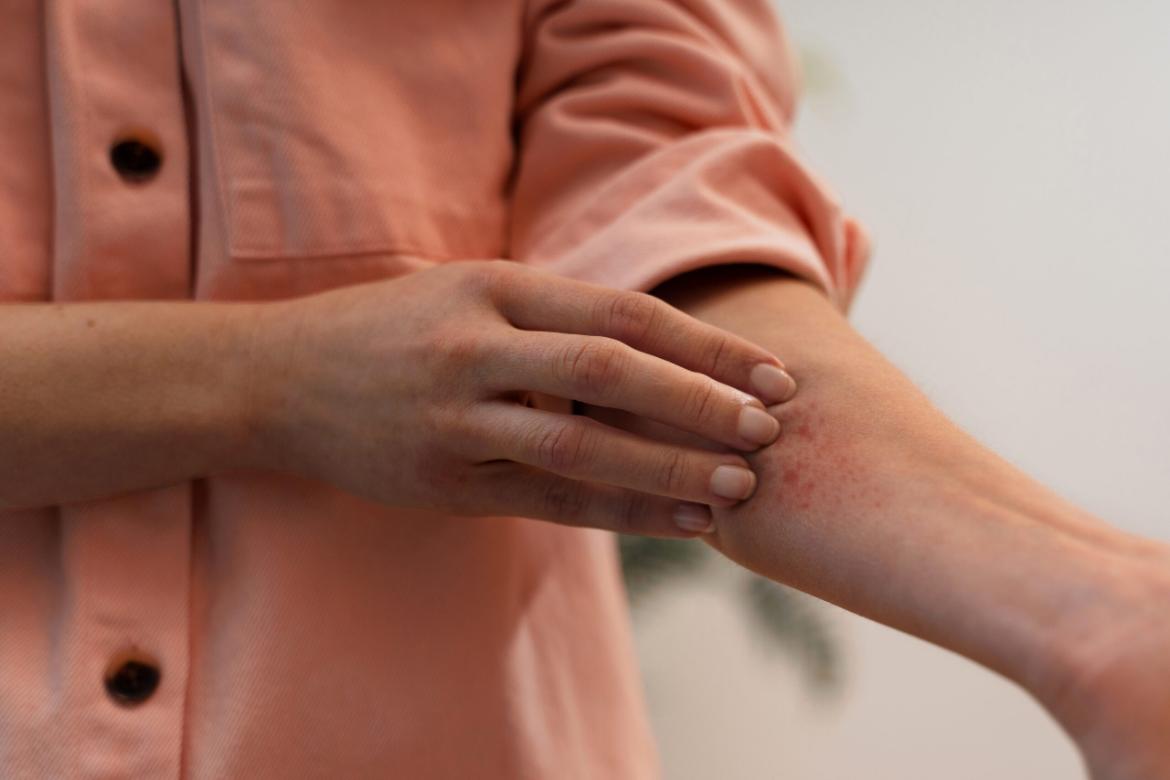
Fungal Disease
Fungal disease refers to a range of diseases caused by infections caused by fungi. Fungi are another type of microorganism, like bacteria or viruses, and are widely distributed throughout nature. Some fungi are normally present in the human body and generally do not cause problems. However, some fungal species can cause infections in individuals with weakened immune systems, under certain circumstances such as antibiotic use, diabetes, excessive humidity, or following serious illnesses.
Fungal infections can affect various parts of the body, including the skin, nails, mouth, genitals, lungs, sinuses, and other internal organs. Fungal infection symptoms can vary depending on the type and location of the infection. For example, skin fungus typically causes itching, redness, and a rash, while fungal infections in the lungs can cause symptoms such as cough, shortness of breath, and fever.
Fungal infections are usually treatable, but in some cases, they can recur. Treatment includes antifungal medications, creams and lotions, oral medications, or other methods, depending on the type and severity of the infection. It's important to consult a healthcare professional when you suspect a fungal infection to get a proper diagnosis and treatment, and to prevent the infection from spreading.
Is fungal disease contagious?
Fungal diseases are generally not directly contagious from person to person. Fungi typically cause infections of human skin, hair, nails, genitals, mouth, or other body parts. These infections are generally self-limited and do not tend to spread to other people.
However, some fungal infections can, in rare cases, be spread from person to person. For example, some sexually transmitted fungal infections (such as Candida infections) can be transmitted from one person to another through sexual contact. Additionally, some skin fungi can be transmitted to other people through direct contact. However, such transmission is generally uncommon, and certain conditions must be present for the infection to spread.
Is skin fungus harmful?
Skin fungus is a common condition that usually doesn't cause serious health problems. Many people experience a fungal skin infection at some point in their lives. These typically manifest as itching, redness, a rash, and scaly or crusty areas. While these symptoms can be uncomfortable and impact quality of life, they are usually treatable and manageable.
However, in some cases, skin fungal infections can become serious or lead to complications. Especially in people with weakened immune systems or when the infection is widespread, skin fungal infections can cause more serious problems. For example, deep tissue infections, widespread skin lesions, or systemic infections (infections that spread to different parts of the body) can develop.
Types of fungal diseases
Fungal diseases consist of a variety of infections caused by different types of fungi. Some common types of fungal diseases include:
- Skin fungus: This is one of the most common fungal infections. There are several types, including tinea corporis (jock itch), tinea pedis (athlete's foot), tinea cruris (jock itch), and tinea versicolor (discoloration). These infections usually present with itching, redness, a rash, and crusting.
- Nail fungus : Also known as onychomycosis, this infection affects the nails. It can cause discoloration, thickening, brittleness, deformity, and pain.
- Oral yeast infections: Yeast infections in the mouth are caused by a type of fungus called Candida albicans. Oral thrush, oral candidiasis, or white lesions in the mouth, can cause symptoms such as a burning sensation and dry mouth.
- Vaginal yeast infections: This infection, caused by the Candida albicans fungus, can cause itching, burning, white discharge, and pain in the vaginal area in women.
- Lung fungal infections : Certain fungi can infect the lungs and cause lung fungal infections. These infections can cause respiratory symptoms such as shortness of breath, cough, sputum production, and fever.
- Systemic fungal infections: Systemic fungal infections are rare but can have serious consequences. Infections such as aspergillosis, cryptococcosis, and mucormycosis typically occur in people with weakened immune systems and can affect vital organs.
These are just a few examples; there are many more types of fungal infections. Each may require different symptoms, treatment, and prevention methods. It's important to consult a healthcare professional if you suspect a fungal infection.
Who is most commonly affected by fungal diseases?
While fungal infections can affect anyone, certain risk factors and conditions can increase the likelihood of developing these infections. Some groups that may be susceptible to fungal infections include:
- People with weakened immune systems : People with weakened immune systems, such as those with HIV/ AIDS , those who have had an organ transplant, and those taking chemotherapy or corticosteroid medications, are more prone to fungal infections.
- People with diabetes: High blood sugar levels can make people with diabetes more susceptible to fungal infections. Fungal infections are particularly common in the genital area, mouth, or skin.
- Those who work in humid and hot environments: Those who work in humid and hot environments for extended periods may be more prone to fungal infections, particularly due to sweating and constantly moist skin. Occupational groups such as athletes, agricultural workers, and construction workers are at increased risk.
- Those who practice excessive hygiene or cleanliness: Excessive hygiene or cleanliness can disrupt the body's natural flora, making it vulnerable to fungal infections. Overuse of antibiotics can also disrupt the balance of the natural flora, increasing susceptibility to fungal infections.
- Genetic predisposition: Some people may be more prone to fungal infections due to genetic factors. This may be related to certain familial or inherited immunodeficiency syndromes or skin conditions.
- Older adults and infants: Older adults may have weakened immune systems and diminished skin barriers, making them more susceptible to fungal infections. Similarly, infants may be more susceptible to fungal infections because their immune systems are not yet fully developed.
Causes of fungal disease
The primary cause of fungal diseases is the excessive growth and proliferation of fungi on the body or skin. Fungi are microorganisms naturally found in the environment. However, under certain factors or conditions, fungi can cause infection. Some of the causes of fungal diseases include:
- Humid and hot environment:
- Weak immune system
- Antibiotic use
- Diabetes
- Skin injuries or irritations
- Genetic predisposition
- Wearing tight clothes
- Sharing clothes and accessories such as towels, napkins, and shoes with others
Fungal disease symptoms
The symptoms of fungal infections can vary depending on the type of infection and the area of the body affected. However, here are some common symptoms of fungal infections:
Symptoms of fungal skin infection:
- Itching is a symptom that is felt intensely, especially in the infected area.
- Redness and swelling.
- Rash, blisters, flaking or crusting of the skin.
- Spots or discolorations on the skin.
- A burning or painful sensation in the area of the fungal infection.
Nail fungus symptoms:
- Nail discoloration (usually yellow, brown or white).
- Nail thickening, cracking or brittleness.
- Deformity is when the shape of the nail is different from normal.
- Pain or tenderness in the nail.
Symptoms of mouth or throat fungus:
- A white, thick coating or lesions may appear in the mouth, tongue, lips, or throat.
- Burning sensation or dry mouth.
- Pain or discomfort when eating or swallowing.
Vaginal yeast infection symptoms:
- Itching is a symptom that is felt intensely, especially in the vaginal area.
- Vaginal discharge (usually white, thick, and cheesy).
- Vaginal irritation or redness.
- Painful intercourse or urination.
Symptoms of lung fungal infection:
- Shortness of breath, especially worsening with exercise or movement.
- Cough, sometimes expectorating phlegm or bloody sputum.
- Chest pain or discomfort.
- Fatigue, weakness and fever.
These symptoms are common and may not be present in every fungal infection. If a fungal infection is suspected, it is important to be examined by a dermatologist or healthcare professional for proper diagnosis and treatment.
How is fungus diagnosed?
Diagnosis of ringworm is usually made through clinical examination and symptom assessment. Common methods used to diagnose ringworm include:
- Physical examination: The doctor will assess the symptoms by examining the infected area of skin or nail. The appearance, shape, color, and other characteristics of the lesions will be examined.
- Fungal culture: To confirm a fungal diagnosis, a sample from the infected area is sometimes taken and sent to a laboratory. This sample is examined under a microscope or by growing it on a culture medium to determine the type of fungus.
- Dermatoscope: A dermatoscope can be used to better visualize a fungal infection of the skin or nails. A dermatoscope is a device that magnifies the surface of the skin or nails, allowing the doctor to examine the infected area in greater detail.
- Fungal stain: Infected areas of skin or nails may be coated with a special dye or fluorescent substance. This provides a specific staining of the fungal infection, making diagnosis easier.
- Histopathological examination: In some cases, a tissue sample from the infected area may be taken for histopathological examination. This examination aims to examine tissue structures and the presence of fungi under a microscope.
Diagnostic methods can vary depending on the patient's symptoms and the infected area. Once a fungal infection is diagnosed, appropriate treatment methods are determined. A dermatologist or infectious disease specialist is the best resource for accurately diagnosing fungal infections.
How to treat fungus?
Treatment for fungal infections can vary depending on the type of infection, its severity, and the affected area. The following methods are generally used in the treatment of fungal infections:
- Topical antifungal medications: Topical antifungal creams, ointments, or solutions are often used to treat fungal infections of the skin, nails, or mucous membranes. These medications are applied to the infected area and help control the infection by preventing the growth and proliferation of fungi.
- Systemic antifungal medications: For more widespread or deep-seated fungal infections, systemic antifungal medications, either oral (taken by mouth) or intravenous (given into a vein), may be used. These medications work by stopping the growth of fungi throughout the body, helping to control the spread of the infection.
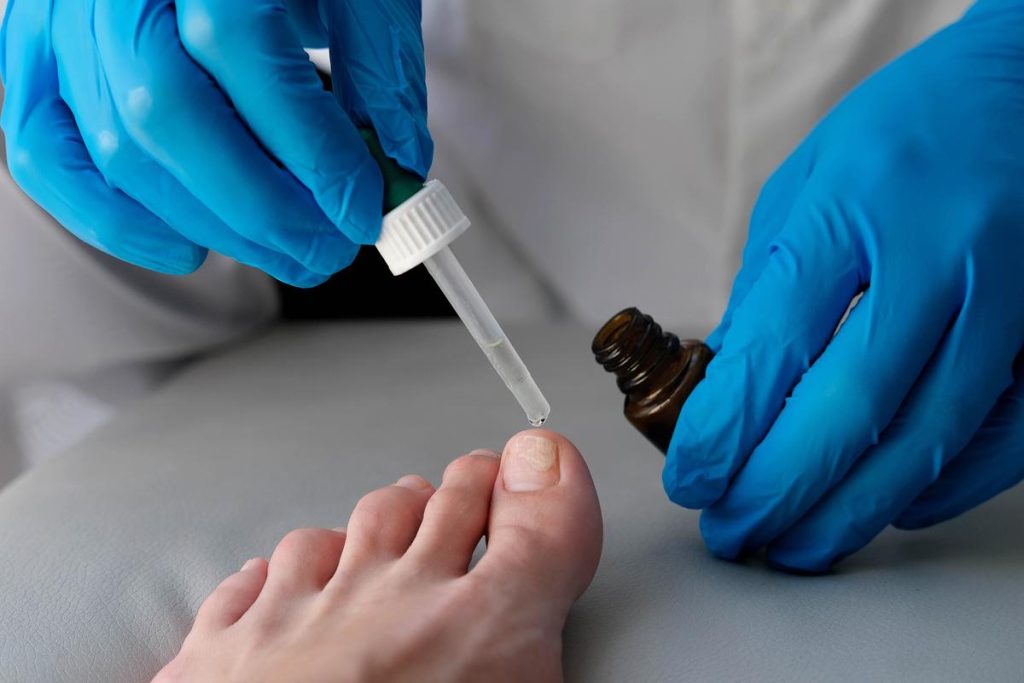
- Nail fungus treatment: Topical antifungal medications are often ineffective in treating nail fungus. In these cases, your doctor may prescribe systemic antifungal medications (e.g., terbinafine, itraconazole). Treatment for nail fungus can be lengthy because it takes time for healthy nails to regrow.
- Personal hygiene and precautions: An important step in treating fungal infections is practicing good personal hygiene. Measures such as cleanliness, keeping the infected area dry, ventilating it, and choosing appropriate shoes and socks help reduce the spread of the fungus and the risk of reinfection.
- Cleaning and disinfection of items: It is important to regularly clean and disinfect items that may be infected (shoes, towels, socks, etc.) to reduce the risk of transmitting fungal infections.
It's important to consult a dermatologist or infectious disease specialist to determine the right and most effective method for treating fungal infections. It's also important to use your doctor's prescribed medications and complete the full course of treatment. Treatment often varies depending on the type and extent of the infection, so it's important to follow your doctor's instructions.
What happens if fungal disease is not treated?
If fungal infections are left untreated or not treated properly, various complications can occur. These can include:
- Spread: If a fungal infection is left untreated, the infection may initially remain in the affected area or spread to surrounding tissues and organs. Spreading can cause the infection to become more serious and difficult to treat.
- Chronicity: Some fungal infections, particularly nail fungus, can be long-lasting and recurring. If left untreated, the infection can become chronic and more difficult to treat.
- Skin problems: Fungal infections cause symptoms such as skin irritation, redness, itching, and discomfort. If left untreated, these symptoms can worsen and affect skin quality.
- Nail disorders: If left untreated, nail fungus can lead to problems such as thickening, deformity, breaking, and splitting of the nail. Untreated, it can make it difficult for nails to grow healthy.
- Recurrence of infections: If fungal infections are left untreated or not treated properly, there is a high probability of recurrence. In this case, the infections can repeatedly return, making treatment more difficult.
