


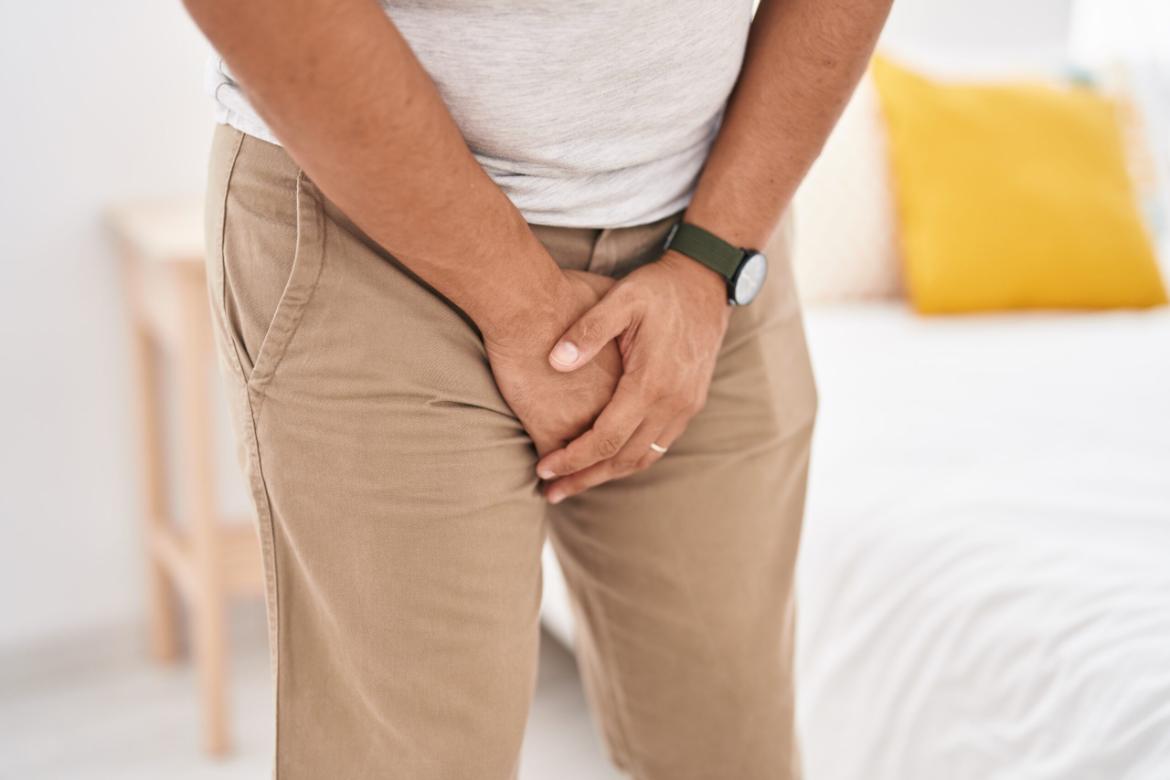
Frequent Urination
In daily life, urinating more than 8 to 10 times is defined as frequent urination, and this is generally not considered normal. Frequent urination can indicate various health problems. Infectious diseases, prostatitis, and cystitis can cause this condition. It can also develop due to seasonal changes and be caused by factors such as the common cold or a cold. This symptom should be carefully evaluated as it could be a sign of an underlying health problem. If you experience frequent urination, it's important to consult a healthcare professional and have the necessary tests done.
Causes of Frequent Urination
There are many potential causes of frequent urination. These include:
- Urinary tract infection: one of the most common causes is urinary tract infections.
- Diuretic medications: Some medications can increase water excretion from the body, causing frequent urination.
- Kidney failure: Impaired kidney function can lead to frequent urination.
- Medication use: Some medications can cause side effects such as frequent urination.
- Diet: Consuming large amounts of caffeine or alcohol can cause frequent urination.
- Bladder cancer: Bladder cancer can affect the frequency of urination.
- Overactive bladder: Loss of bladder control may occur, causing frequent urination.
- Psychological causes: Psychological factors such as stress or anxiety can also contribute to the problem of frequent urination.
- Cystitis: Inflammation of the bladder is another cause of frequent urination.
- Prostate : In men, an enlarged prostate, or prostatitis, can cause frequent urination.
- Diabetes: Diabetes can increase the frequency of urination.
- Kidney stones: Kidney stones can increase the frequency of urination.
- Pregnancy: Frequent urination is common during pregnancy.
- Trauma : Trauma affecting the areas can cause frequent urination problems.
- Aging: With aging, bladder capacity may decrease, which can lead to frequent urination.
Frequent urination can often be a symptom of an illness, so it is recommended that people experiencing this condition consult a healthcare professional.
Frequent Urination in Women
Frequent urination can often be caused by health problems such as urinary tract infections, cystitis, kidney failure, kidney stones, or diabetes. This condition can negatively impact a person's quality of life and can be a significant problem for women. Women experiencing frequent urination should consult a healthcare professional to determine the underlying cause and receive appropriate treatment.
Causes of frequent urination can include stress, diabetes, vaginitis, overactive bladder, cystitis, bladder cancer, cystitis, and pregnancy. Many of these conditions can be caused by a variety of factors, including hormonal changes, infections, or problems with organ systems.
Frequent Urination in Men
Frequent urination can also occur in men due to various health problems. This condition can be a symptom of conditions such as kidney disease, bladder disease, Parkinson's disease, MS, and a herniated disc, as well as other conditions that are particularly common in men.
For example, if frequent urination is accompanied by groin pain, prostatitis, or inflammation of the prostate, is often suspected. Common causes of frequent urination in men include urinary tract infections, prostate cancer, benign prostatic hyperplasia (BPH), or prostatitis.
Men experiencing these symptoms should contact their healthcare professional to develop an appropriate diagnosis and treatment plan. Early diagnosis can help effectively manage these health problems. Explaining your symptoms in detail to your healthcare provider is crucial for reaching an accurate diagnosis.
Remember that frequent urination can be a symptom of an underlying health problem, so seeking professional advice is critical for your health.
Frequent urination at night
Frequent nighttime urination is generally not considered normal and can be particularly concerning if it consistently disrupts sleep or causes insomnia. Given that sleep is an important time for the body to recover and recover from energy lost during the day, frequent nighttime urination can negatively impact this process.
Consistently waking up every two hours or less at night can interfere with the transition to REM sleep. This can lead to restlessness and sleep deprivation, which can reduce a person's quality of life. While frequent urination isn't usually a sign of serious illness, it can negatively impact a person's life in the long term.
It's important to investigate the underlying causes of this condition and treat it as soon as possible. Causes of frequent urination can include urinary tract infections, prostate problems, and diabetes. Addressing these issues with appropriate treatment can help improve a person's sleep patterns and quality of life. Therefore, it's recommended that individuals experiencing persistent nighttime urination consult a healthcare professional.
Treatment for Frequent Urination
To effectively treat frequent urination, the underlying condition must first be accurately identified. Depending on this diagnosis, various treatment methods recommended by your doctor may be applied. Some methods used to treat frequent urination include:
- Medication: If overactive bladder is the cause of frequent urination, medications recommended by your doctor may be used. These medications can help control bladder muscles and regulate overactivity.
- Antibiotic treatment: If bacterial conditions such as urinary tract infections cause frequent urination, your doctor may recommend antibiotic treatment.
- Surgical interventions: In some cases, surgery may be considered, particularly to increase bladder capacity. These procedures are generally determined by the physician's recommendation and the patient's condition.
- Stresscopy: Stresscopy, which involves injecting a filler into the bladder wall, can help control hypersensitivity in the bladder muscles.
- Diet and lifestyle changes: It's important for people experiencing frequent urination to maintain their daily fluid intake. It's recommended to avoid caffeinated beverages, spicy and acidic foods, alcohol, and foods high in sugar. Additionally, avoiding foods that trigger allergic reactions can also contribute positively to the treatment process.
Treatment options can vary depending on the individual's condition and underlying causes. Therefore, it's important for individuals experiencing frequent urination to collaborate with a healthcare professional to determine the appropriate treatment plan.
How Frequent Urination Affects Blood Pressure
Frequent urination is generally not a condition that directly affects blood pressure. However, certain conditions and illnesses can be associated with frequent urination, and these conditions can affect blood pressure.
- Dehydration and blood pressure: A person who urinates frequently may become dehydrated if they don't maintain adequate fluid intake. Dehydration can lead to a decrease in blood volume, which can lead to low blood pressure. This is especially true during periods of increased fluid loss due to hot weather, exercise, or other factors.
- Diabetes Insipidus: This condition is caused by a deficiency of antidiuretic hormone, which regulates water balance in the body. Symptoms include significant water loss and frequent urination. This dehydration can lead to mild dehydration and potentially low blood pressure.
If frequent urination is causing blood pressure problems or if a person is showing signs of dehydration, it's important to have this evaluated by a healthcare professional. Appropriate treatment and fluid balance can help regulate blood pressure.
Is It Normal to Urinate Every 2 Hours?
Urinating every two hours is generally not considered normal and may be considered frequent urination. Normally, a person may urinate between 6 and 8 times a day. However, factors such as individual differences, fluid intake, health status, and medications can influence this frequency.
