


Foods That Increase Breast Milk
When you first receive the news of your pregnancy, your primary focus is usually on your baby's healthy development and growth. Starting in the womb, you care for your baby's healthy growth and development. Breast milk is the first and most valuable food to meet your baby's needs. It not only contributes to your baby's physical development but also strengthens the mother-baby bond.
Experts emphasize the importance of breast milk during your baby's first six months. Exclusive breastfeeding is the most natural and effective way to nourish your baby. Continuing breastfeeding, along with complementary foods, until age two can contribute to your baby's healthy growth and development.
One of the most common concerns of breastfeeding mothers is whether their milk supply is sufficient after giving birth. To increase breast milk supply, it's important for mothers to focus on their diet and lifestyle. A regular and balanced diet, adequate fluid intake, and focusing on relaxation can all increase milk production. During this time, seeking professional breastfeeding support is also important for the health of both mother and baby.
What is breast milk and why is it important?
Breast milk is the natural and most important source of nutrition for your baby. It's typically 87% water, 3.8% fat, 1% protein, and 7% lactose. Breast milk has a dynamic composition that can change according to your baby's needs and has anti-infective properties.
This precious nutrient is formed through the complex interaction of a number of hormonal, physical, and psychological factors. After birth, the "mothering hormone," also known as prolactin, reaches its highest level, triggering breast milk production. Furthermore, oxytocin, also known as the "love hormone," increases after birth and promotes the release of breast milk.
Because your baby's digestive system is still developing, breast milk is an easily digestible and nutritious source. Breast milk supports your baby's mental and physical development and plays a key role in their immune system. The antibodies it contains protect your baby against infections, particularly those common in newborns.
For these reasons, breast milk is an important source of nutrition for your baby and is essential for their healthy development and immune system. It's also important for mothers to be informed about nutrition, a healthy lifestyle, and breastfeeding.
How much milk does your baby need daily?
Your baby's daily milk needs may vary depending on their age and growth. Generally, your baby's approximate milk needs at different months are:
1st Month: 8 to 12 breastfeedings per day may be required, and approximately 28 to 84 grams of milk may be needed at each breastfeeding.
2nd Month: Breastfeed every 3-4 hours and can consume 112 to 140 grams of milk per breastfeeding.
3-4 Months: The baby may need to breastfeed every 4 hours and produce between 140 and 168 grams of milk per breastfeed.
5-6 Months: Breastfeeding every 4-5 hours and 196 to 224 grams of milk may be required per feeding.
As your baby grows and develops, their milk needs may increase. Breastfeeding signals the mother's brain to increase milk production, and thanks to the hormone prolactin, milk supply can increase. Therefore, depending on your baby's growth, the mother's body can adapt milk production and quantity to the baby's needs. Because every baby has individual needs, these amounts should be considered a general guideline. It's important to monitor your baby and feed them according to their development. Specialist healthcare professionals can provide more specific information regarding breast milk production and breastfeeding.
Important tips to increase the breast milk your baby needs
You can follow the tips below to increase the breast milk your baby needs:
- Physical contact and eye contact during breastfeeding: Physical contact and eye contact with your baby during breastfeeding can stimulate milk production by increasing the hormones prolactin and oxytocin.
- Maternal psychology and stress management: Maternal psychology can affect milk production. Good sleep and stress management can increase milk supply.
- Correct breastfeeding position: Breastfeeding the baby in the correct position helps the baby maintain latching, and more breastfeeding can contribute to more milk production.
- Not starting complementary foods too early : Giving your baby only breast milk in the first six months supports milk production.
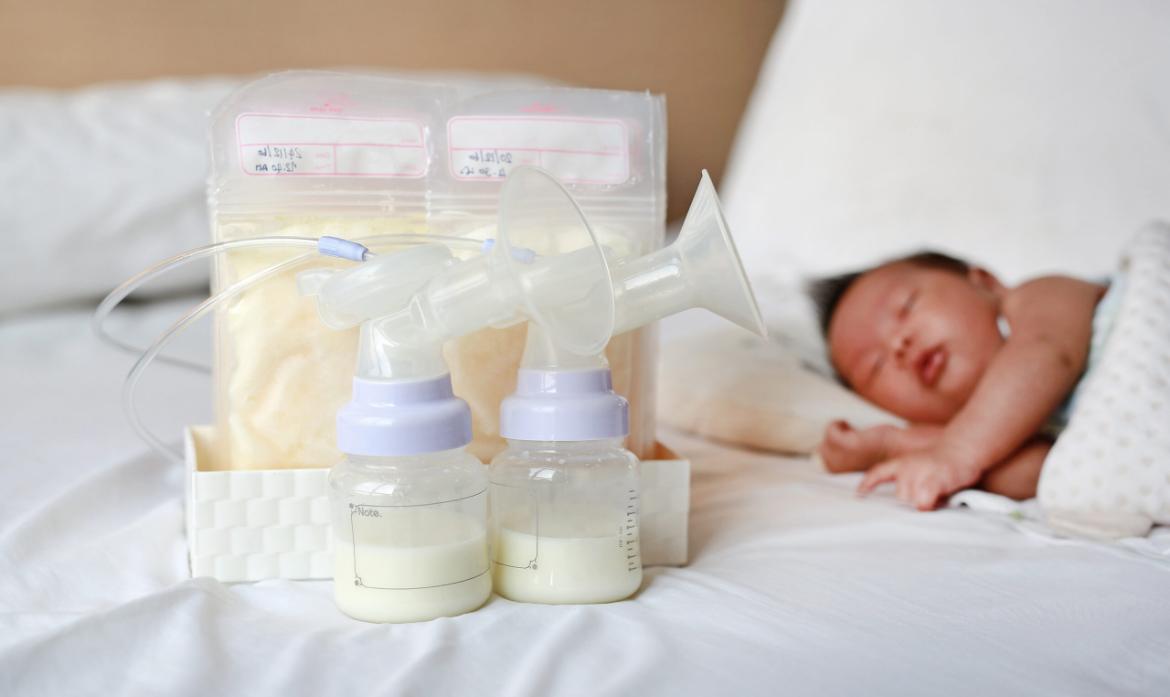
- Using a breast pump: Using a breast pump can support milk production, especially if the breast ducts do not open completely after a cesarean section.
- A balanced and regular diet: A balanced and healthy diet is important to increase breast milk production. Starvation or malnutrition can reduce milk supply.
- Eating habits: A mother's energy needs increase during breastfeeding. It's important to follow your doctor's recommendations for a healthy diet and avoid foods that may reduce milk production.
- Fluid intake: Drinking plenty of water can increase breast milk. Fluid intake supports milk production.
By following these tips, you can increase your milk supply and meet your baby's breast milk needs. However, it's important to consult a healthcare professional if you have any concerns or questions.
Foods that increase breast milk
Some foods that are believed to increase breast milk production include:
- Water and mineral water: Drinking plenty of water can increase milk production. Natural mineral waters, rich in minerals, can also support milk production.
- Leafy greens: Leafy greens like spinach, lettuce, arugula, and parsley are rich in vitamins and minerals. These vegetables can provide energy and increase milk production.
- Basil: Rich in vitamins C and K. It can increase milk production with its stress-reducing effect.
- Oats: Contains high amounts of iron. May reduce stress and support milk production.
- Carrots: Provide energy with their beta carotene and vitamin A content and can contribute to milk production.
- Tahini: Tahini used in salads or mixed with molasses can increase milk production.
- Salmon: Rich in omega-3, salmon can support milk production.
- Herbal teas: Fennel, nettle, ginger, and chamomile teas can increase milk production. Fennel tea is among the most commonly known to increase milk production.
- Amber tea: It can help the secretion of the prolactin hormone with its iron and magnesium content.
- Verbena: It has a stress-reducing effect and can increase milk production.
- Goat's rue: It is one of the herbs used to increase breast milk and has a soothing effect on the digestive system.
- Fenugreek: It can support milk production with its calcium, zinc, iron and copper content.
- Sesame: Rich in calcium and beneficial fats and can increase milk supply.
- Nuts: Nuts such as walnuts, hazelnuts, and almonds provide energy and can support milk production.
- Other foods thought to support milk production include: cumin, garlic, white grapes, apricots, brown rice, and red beets .
Consuming these foods, which are thought to increase breast milk production, in a balanced manner is important to avoid any health problems. It's important to consult a doctor if you experience any side effects or experience excessive consumption.
How do we know if breast milk is insufficient?
Breast milk supply is usually determined by indicators such as baby's weight gain and the number of urine/rectal glands. Some signs of insufficient breast milk may include:
- Few wet diapers: When you change your baby's diaper, you might think the number of wet diapers isn't enough. Newborn babies usually have about 6-8 wet diapers per day.
- Inadequate weight gain: Your baby's weight gain should be monitored after birth. If your baby doesn't gain the expected weight, it may be considered that their breast milk supply is insufficient.
- Baby being restless: If your baby feels the need to feed frequently and is constantly restless, this may indicate that the amount of breast milk may be insufficient.
- Frequent desire to nurse: If your baby wants to nurse constantly, this may be a sign that the amount of milk is not meeting the baby's needs.
- Signs of malnutrition: If your baby's skin loses elasticity, his or her eyes become sunken, his or her lips become dry, or his or her body temperature drops, these could be signs of malnutrition.
- If the mother's breasts don't feel full: Breast milk production is often associated with a feeling of fullness in the mother's breast tissue. If the feeling of fullness in the mother's breast tissue diminishes or disappears, milk production may be inadequate.
- Inadequate weight gain during regular check-ups: If the baby's weight gain is less than expected or normal weight gain is not occurring during the doctor's check-up, then the doctor can help control the amount of milk.
Inadequate breast milk supply can sometimes be caused by temporary issues, such as a baby's latch-on technique or breastfeeding position. When in doubt, it's important to consult a healthcare professional. A pediatrician or lactation consultant can identify the cause and recommend appropriate solutions.
