


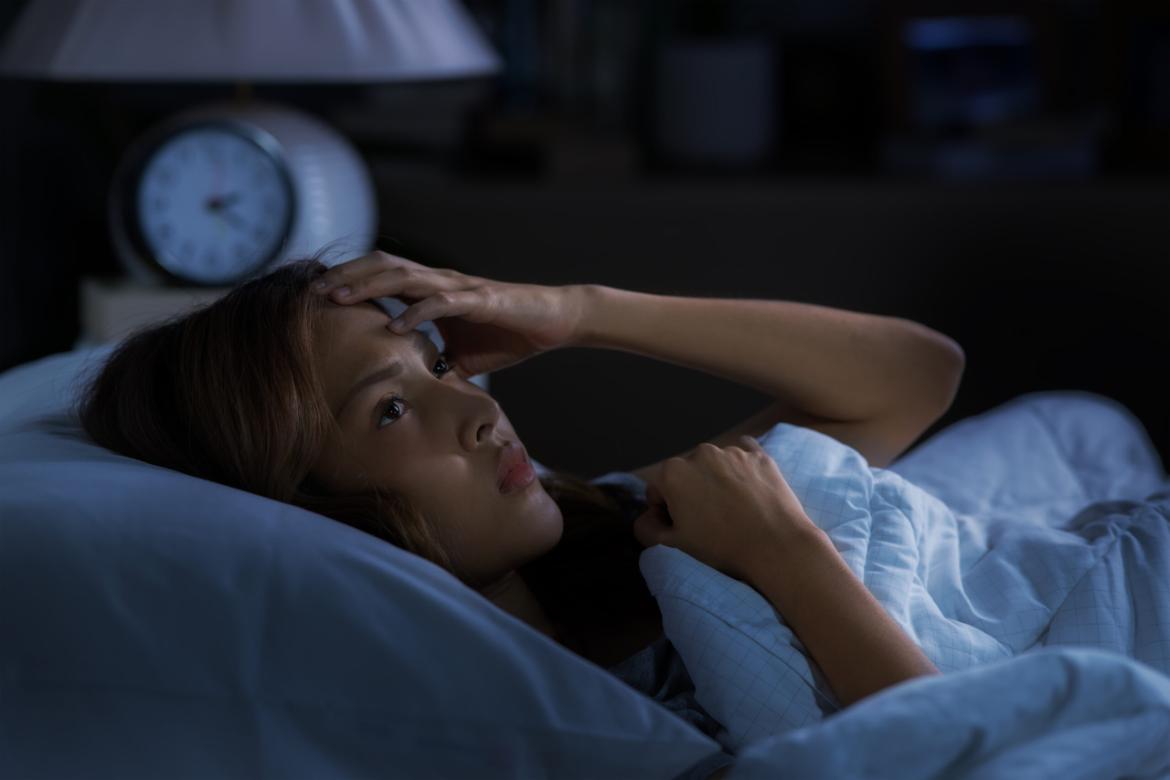
Fear of Sleep (Hypnophobia)
The fear of sleep is a condition also known as hypnophobia or somniphobia. This disorder refers to a person's fear of sleeping normally and generally falls under the category of phobias. A phobia is characterized by an irrational or excessive fear that may seem unreasonable to others. However, this fear can be very real and distressing for the individual.
People who worry about falling asleep or staying asleep may experience this fear for a variety of reasons. Some people worry they won't wake up after falling asleep, while others worry they might experience negative experiences during sleep. People who struggle to fall asleep due to these fears can experience physical and mental health problems due to inadequate sleep. They may be at increased risk of developing conditions like depression.
Sleep is an essential process that allows the body to rest, replenish energy stores, and maintain a normal hormonal balance. Sleep is essential for a healthy life, and individuals who fear sleep may not fully reap these benefits.
Fear of sleep is a treatable condition. Psychotherapy, behavioral therapies, and relaxation techniques can help individuals overcome this phobia. With expert guidance, it's possible to overcome this phobia and help people achieve a healthier sleep pattern.
Fear of sleep can be a serious disorder and can sometimes lead to fatal consequences. This condition can be associated with feelings of helplessness during sleep and the fear of being unable to defend themselves against sudden dangers. Sleep apnea can arise from fear of bad dreams or nightmares, or the belief that sleep time is a waste. This disorder can be intertwined with fear of death and anxiety related to nightmares.
Individuals with this disorder may avoid sleep due to fears they experience when falling asleep. This fear may include fear of dying in their dreams. These individuals may avoid going to bed at night because of anxiety about falling asleep. This can negatively impact their mental and emotional health, sometimes even leading to psychological problems.
People with sleep apnea may experience insomnia. Insufficient sleep can interfere with the body's normal functioning and negatively impact a person's overall health. Over time, this can lead to symptoms such as hallucinations, panic attacks, vision and hearing problems. It can also lead to problems with the respiratory, cardiovascular, and nervous systems.
Hypnophobia (fear of sleep) is a condition that can seriously impact a person's quality of life and threaten their physical health. Therefore, it is crucial to seek professional help and address this phobia with appropriate treatment methods. By addressing this condition through methods such as psychotherapy, behavioral therapies, and sleep modification, individuals can achieve a healthier sleep pattern.
Who suffers from the fear of falling asleep?
Night terrors are a condition that can occur in people of all ages and genders. It typically involves falling asleep, fear of dying, and the fear of nightmares. This disorder can occur frequently in individuals with unstable lifestyles or those who experience persistent nightmares.
People with sleep apnea are often those who have had negative sleep experiences. Recurring bad dreams or traumatic or distressing sleep-related experiences can trigger this phobia. It's also more likely to occur in individuals with mental health issues like depression or anxiety.
This condition can affect a person's mental and emotional state and negatively impact their quality of life. Treatment and counseling can be an important step in overcoming this condition. Psychotherapy, behavioral therapies, and sleep modification can help individuals establish healthier sleep patterns.
What are the symptoms of sleep apnea?
The symptoms of sleep apnea can affect the patient both physically and mentally. These symptoms typically occur when the person is at bedtime or trying to sleep in bed. Symptoms of hypnophobia can manifest as anxiety, tension, and, in severe cases, panic when thinking about sleep.
Individuals with insomnia may take stimulant medications to avoid insomnia. However, this often does not provide restful or adequate sleep. These patients often experience frequent awakenings throughout the night and difficulty falling back asleep.
In general, symptoms of insomnia may include:
- rapid breathing
- Shortness of breath
- Sweating
- Feeling of panic
- Confusion
- Feeling of terror
- Feeling sleepy
- Dry mouth
- Numbness
- Anxiety
- Tension
- Irregular heartbeat (arrhythmia)
- Nausea
- Palpitation
- Migraines and headaches
- Fatigue
- Cold sweats
- Blurred vision
- Difficulty swallowing
- Sudden drop in blood pressure
- Fainting
- nervous breakdown
- Depression in advanced stages
These symptoms can vary from patient to patient, and their severity can vary from person to person. Sleep apnea can negatively impact a person's quality of life and is a condition that requires treatment. Seeking professional help with appropriate treatment is crucial for overcoming this condition. Psychotherapy, behavioral therapies, and improving sleep habits can help individuals achieve a healthier sleep pattern.
Causes of sleep apnea
While the exact cause of sleep apnea is unknown, several potential factors are considered. The condition may develop as a result of negative sleep-related experiences, such as recurring bad dreams or nightmares. An underlying depressive disorder or anxiety disorder may also contribute to this phobia.
A traumatic past can play a role in the development of sleep apnea. For example, a person may experience traumatic experiences during sleep as a result of a past car accident, house fire, or natural disaster. These events can cause a person to relive bad memories or fears while sleeping. For example, someone who has smoked in the past might experience fear and anxiety in their sleep after a fire or similar event.
However, many factors, which may vary from person to person, can contribute to the emergence of this phobia. The fear of sleeping can affect a person's mental and emotional health. It is possible to overcome this phobia with professional support, therapy, and appropriate treatment methods. Therapists can assess an individual's individual situation and develop personalized treatment plans.
What are the treatment methods for the fear of sleep?
Fear of sleep (hypnophobia) is a treatable condition and can be managed using a number of different treatment methods. Treatment is generally determined by the individual's symptoms, their severity, and the underlying cause. Treatment methods for fear of sleep include:
- Psychotherapy and cognitive behavioral therapy (CBT): One of the most common and effective treatment methods. CBT helps people develop strategies to cope with their fears. It helps people understand the causes of their fears and change them.
- Medication: In addition to psychological support, doctors may sometimes recommend medication to relieve symptoms of anxiety or fear. These medications can often help manage symptoms, but they alone do not provide a permanent solution.
- Breathing and relaxation techniques: Relaxation techniques such as yoga and meditation can help reduce anxiety and facilitate sleep.
- Exposure therapy: A therapy method that involves slowly exposing a person to fearful situations in a safe environment. This can help them manage and reduce their fears.
- PNL (Neurolinguistic Programming): Can be used to change false beliefs and develop more positive thoughts.
- Psychoanalysis: Attempts to identify the origins of fear of sleep and investigates the underlying causes. It may also examine the influence of past experiences.
- Anxiety management techniques: Breathing and relaxation exercises can help control anxiety attacks.
Every individual is different, so the most effective treatment method may vary depending on individual needs and circumstances. The treatment process can often take time and vary from person to person. Appropriate treatment options should be identified and implemented under the supervision of a qualified healthcare professional.
Sleep apnea can be a serious condition, so it's important for individuals experiencing symptoms to seek professional help and receive appropriate treatment. This condition can impact a person's quality of life and, if left untreated, can lead to serious health problems. It's important to consult a specialist to determine the appropriate treatment options.
