


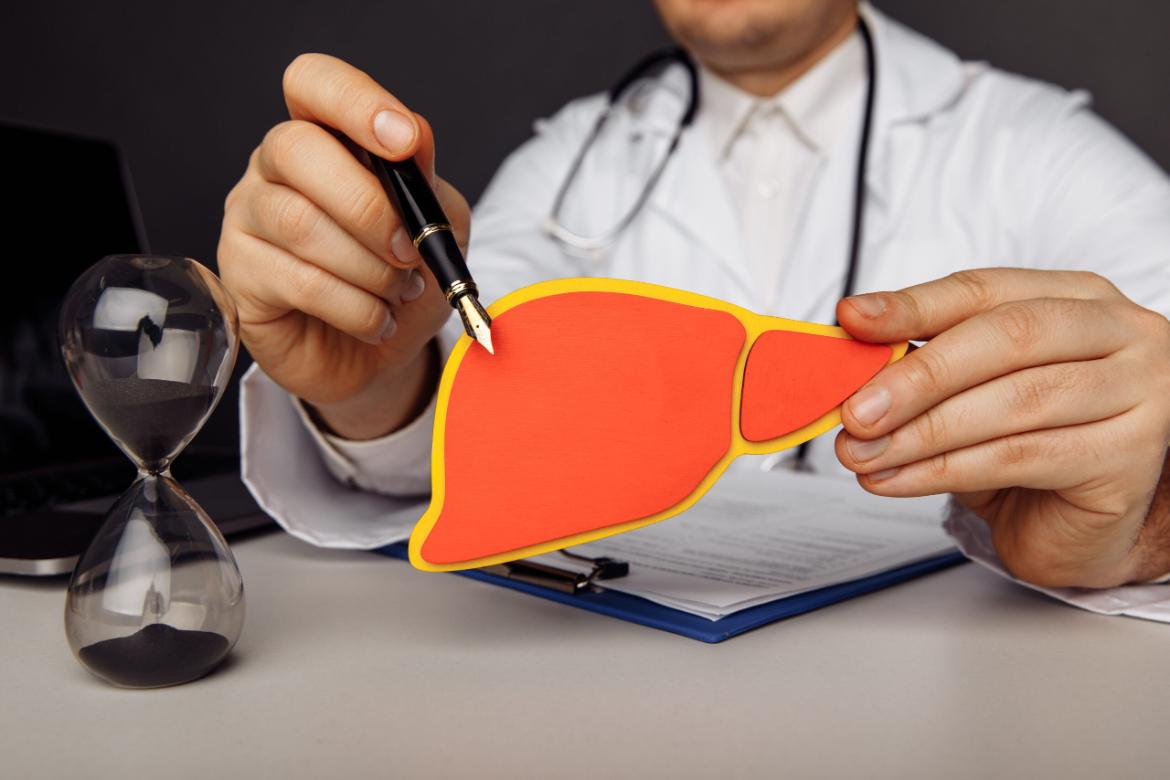
Fatty Liver
Fatty liver is a liver disease that develops when excess fat accumulates in liver cells. This condition, with increasing amounts of fat accumulation, can increase the risk of liver inflammation and negatively impact organ function. Over time, the accumulation of fat in liver cells can cause liver damage (necrosis) and lead to serious liver diseases, even liver cancer or cirrhosis. Also known as hepatosteatosis, this disease is often asymptomatic at first and is often diagnosed incidentally during an ultrasound or other imaging tests. However, as it progresses, it begins to manifest symptoms, both due to itself and other health problems it causes. Therefore, when fatty liver is diagnosed, treatment should be initiated immediately, and patients should be monitored regularly. Awareness of this disease, which poses a serious threat to liver health, should be raised, and patients should manage the condition in collaboration with their doctors.
What are the symptoms of fatty liver?
Fatty liver disease, especially in its early stages, may not present any specific symptoms. It usually progresses silently and does not affect patients' daily lives. However, as the disease progresses or progresses to a more severe stage, certain symptoms may appear. Symptoms of fatty liver may include:
- Abdominal bloating and pain : An enlarged liver can cause a feeling of bloating and pressure in the abdomen. This is due to the pressure exerted on surrounding tissues and bones.
- Weakness and fatigue: Some people with fatty liver may experience weakness, fatigue, and low energy.
- Loss of appetite: Fatty liver can lead to loss of appetite and weight loss.
- Nausea and vomiting: Some patients may experience digestive problems such as nausea and vomiting.
- Jaundice: If liver damage is present in advanced stages, jaundice (yellowing of the skin and eyes) may occur.
- Skin problems: Fatty liver can sometimes cause itching, redness and flaking of the skin.
Importantly, the severity and type of symptoms experienced by people with fatty liver disease can vary from person to person. Furthermore, because these symptoms can indicate other health problems, it's important to consult a doctor and have the necessary tests performed. If fatty liver is diagnosed early, treatment and lifestyle changes can prevent the disease from progressing.
Fatty Liver: Causes and Risk Factors
Fatty liver disease can develop due to a number of causes and risk factors that lead to fat accumulation in the liver. These may include:
- Diet and eating habits: Eating excessively high-fat and sugary foods is one of the main causes of fatty liver disease. High-calorie diets can lead to obesity, increasing the risk of fatty liver disease.
- Obesity and metabolic syndrome: Obesity significantly increases the risk of developing fatty liver. Conditions such as metabolic syndrome may also contribute to this disease.
- Alcohol Consumption: Excessive alcohol consumption can increase the risk of alcohol-related fatty liver disease and liver damage.
- Type 2 Diabetes: People with diabetes are at higher risk of developing fatty liver disease because high blood sugar levels can cause fat to accumulate in the liver.
- Rapid weight loss: Rapid weight loss can disrupt the liver's fat metabolism and increase fat accumulation.
- Genetic factors: Family history may influence the risk of fatty liver disease. Some genetic factors may put individuals at greater risk.
- Medications: Some medications, especially when used long-term, can cause fat accumulation in the liver.
- Rapid insulin release: Rapid insulin release can increase fat synthesis in the liver, which can promote fat accumulation.
- Celiac disease and inflammatory bowel diseases: These types of intestinal diseases can increase the risk of fatty liver.
- Polycystic ovary syndrome (PCOS): PCOS can cause hormonal imbalances, increasing the risk of fatty liver disease.
Remember, fatty liver disease can develop as a result of a combination of factors. Each individual's risk is different, so it's important to discuss your personal health history and risk factors with your doctor.
What are the symptoms and signs of fatty liver (Steatosis)?
Fatty liver, or steatosis, refers to a condition in which the liver becomes swollen and damaged due to fat accumulation. Signs and symptoms of this condition may include:
- Abdominal bloating : Swelling of the liver can cause bloating in the abdominal area.
- Fatigue: A general feeling of tiredness can often occur in a person with fatty liver.
- Loss of appetite: Digestive problems such as loss of appetite or nausea may occur.
- Abdominal pain: Mild to moderate pain or discomfort may occur in the abdominal area.
- Increase in weight: Changes such as rapid weight gain or weight loss may be observed.
- Skin problems: Skin problems such as jaundice can be a sign of liver problems.
- Yellowing of the eyes: Yellowing of the whites of the eyes (icterus) may be observed.
- Change in urine color: Dark urine or light stool may indicate liver dysfunction.
- Increased appetite: Some people may experience an increased appetite with fatty liver disease.
- Balance problems: Fatty liver can sometimes cause feelings of unsteadiness, coordination difficulties, or trouble focusing.
Symptoms of fatty liver disease can vary depending on the severity of the disease and from person to person. If you notice these symptoms or are concerned, it's important to consult a healthcare professional. Fatty liver disease can be managed with appropriate treatment and lifestyle changes, but if left untreated, it can lead to more serious liver problems.
What are the types of fatty liver?
Fatty liver disease can develop due to three main conditions:
- Alcoholic fatty liver disease: This is a type of fatty liver disease that develops due to alcohol use. Long-term and excessive alcohol consumption can lead to fat accumulation in the liver. Alcohol's toxic effects can cause damage to liver cells.
- Non-Alcoholic Fatty Liver Disease (NAFLD): Fatty liver disease not associated with alcohol consumption. This type of fatty liver is associated with metabolic factors such as obesity, type 2 diabetes, and high blood pressure. NAFLD can also develop during pregnancy.
- Pregnancy-Related Fatty Liver Disease: In some pregnancies, especially in the first trimester, fat accumulation in the liver can occur. This condition is called "pregnancy-related acute fatty liver" or "pregnancy-related cholestasis."
Fatty liver disease can progress in different stages:
- Stage 1: This stage, called simple fatty liver, is characterized by mild fat accumulation and usually does not lead to liver damage.
- Stage 2: Also called non-alcoholic steatohepatitis (NASH), this stage begins with inflammation in the liver, along with fat accumulation. Inflammation at this stage can lead to liver damage.
- Stage 3: In this stage, called the fibrosis stage, liver tissues begin to harden and connective tissue increases. This indicates progressive liver damage.
- Stage 4: In this most advanced stage, called liver cirrhosis, liver tissue is extensively damaged and scarred. Cirrhosis can lead to significant liver dysfunction and serious health problems.
Fatty liver disease can progress and lead to serious complications if not diagnosed and treated early. Therefore, regular health checkups and appropriate lifestyle changes are important. Treatment may vary depending on the underlying cause and stage of the disease and should be guided by a healthcare professional.
How is fatty liver diagnosed?
Various methods can be used to diagnose fatty liver. These methods may vary depending on the patient's symptoms, risk factors, and the doctor's clinic's facilities. Common methods used to diagnose fatty liver include:
- Blood tests: Blood tests provide information about liver function. If liver enzymes (AST, ALT, GGT) and other liver function tests are higher than normal or have other abnormalities, this may be a sign of fatty liver or liver damage.
- Ultrasound : Ultrasound is a commonly used method for imaging fatty deposits in the liver. This imaging modality can help assess the overall size and distribution of fatty deposits within the liver.
- Liver biopsy: This procedure provides a definitive way to diagnose fatty liver. A small sample of liver tissue is removed and examined in a laboratory. However, this is an invasive procedure and carries risks, so other diagnostic methods are generally preferred.
- Elastography (FibroScan): This is a non-invasive imaging method used to assess liver stiffness. It can be used to detect advanced liver diseases such as cirrhosis.
- Computed tomography (CT) and magnetic resonance imaging (MRI): These imaging modalities can be used to examine fatty deposits and other structural changes in the liver in greater detail. However, these modalities are more expensive and are not typically used as frequently as ultrasounds or blood tests.
A diagnosis of fatty liver is made by a healthcare professional based on symptoms, risk factors, and other clinical findings. Treatment is determined based on the diagnosis, underlying causes, and the stage of the disease. Treatment typically involves lifestyle changes, particularly weight loss and a healthy diet. In more severe cases, medications or other treatment options may also be used.
How is fatty liver treated?
Fatty liver (or Non-Alcoholic Fatty Liver Disease (NAFLD)) is a condition that requires treatment because it can progress and lead to serious complications. Treatment may vary depending on the severity of the patient's condition, underlying causes, and other individual factors. The basic principles of fatty liver treatment are:
Lifestyle changes:
- Weight loss: If you are obese or overweight, losing weight is one of the most important steps in treating fatty liver disease. Losing weight through a healthy diet and regular exercise can reduce fatty liver accumulation.
- Healthy eating: A low-fat, high-fiber diet is recommended. Refined sugars, saturated fats, and processed foods should be avoided. Alcohol consumption should be limited or eliminated entirely.
- Exercise: Getting at least 150 minutes of moderate-intensity aerobic exercise per week may help improve liver health.
Medication: There is no specific medication for fatty liver disease. However, in some cases, doctors may recommend different medications depending on the patient's health. For example, diabetes medications may be used if insulin resistance or high blood sugar is present. Lipid-lowering medications may be considered if lipid levels are high.
Treating underlying conditions: Fatty liver disease can develop for a variety of reasons. It's important to identify and treat these causes. For example, if there are underlying health conditions such as type 2 diabetes, high blood pressure, or hyperlipidemia, these conditions should be managed.
Routine follow-up: It's important for patients with fatty liver to be regularly followed by their doctor. This follow-up includes monitoring the liver's condition using blood tests and imaging techniques.
Controlling alcohol consumption: In cases of alcoholic fatty liver disease, alcohol consumption should be stopped completely. Alcohol can cause liver damage and worsen the condition.
Treatment should be customized to each patient's individual needs and health status. Treatment may require a long-term approach, requiring regular doctor checkups and maintaining healthy lifestyle habits. The treatment plan should be guided by a healthcare professional.
What should people with fatty liver pay attention to?
There are some important points to consider for those with fatty liver (or Non-Alcoholic Fatty Liver Disease (NAFLD). Important factors for individuals with fatty liver disease to consider:
Healthy eating:
Controlling your weight: If you're overweight or obese, aiming for weight loss is important to reduce fatty liver disease. Healthy weight loss should be supported by diet and exercise.
Alcohol consumption: Alcohol can worsen fatty liver disease and increase the risk of alcoholic fatty liver disease. Therefore, people with fatty liver disease should avoid alcohol altogether.
Managing diabetes and metabolic diseases: If you have metabolic health problems such as type 2 diabetes, high blood pressure, or high cholesterol, it's important to get these conditions under control. These conditions should be managed with medications or lifestyle changes.
Regular exercise: Getting at least 150 minutes of moderate-intensity aerobic exercise per week can help with weight control and improve liver health.
Use medications with caution: People with fatty liver should use medications regularly as recommended by their doctors and consult their doctors about any medication changes or additional medication use.
Doctor follow-up: Individuals with fatty liver disease should have regular check-ups with their doctor. During these check-ups, liver health is monitored through blood tests and other tests.
Ideal body mass index (BMI): Achieving or maintaining an ideal body weight supports liver health. This can be achieved through weight management and healthy lifestyle habits.
Avoiding stress: Chronic stress can negatively impact liver health. Stress management techniques are important for supporting a healthy lifestyle.
Individuals with fatty liver disease can maintain liver health and prevent disease progression by following these recommendations. However, every individual is different, so guidance from a healthcare professional regarding treatment and lifestyle changes is essential.
