



Eyelid Inflammation (Blepharitis)
Blepharitis , also known as blepharitis, is a common eye infection or inflammation that occurs at the edges of the eyelids. Blepharitis is usually a chronic condition and can be recurring. It occurs as a result of infection or blockage of the glands at the base of the eyelashes, located at the edges of the eyelids.
Types of eyelid inflammation
Eyelid inflammation, or blepharitis, is generally divided into two main types: anterior blepharitis and posterior blepharitis. These types differ depending on where the infection or inflammation begins and which glands are affected.
- Anterior blepharitis: Anterior blepharitis occurs on the front of the eyelid, the skin surface where the eyelashes grow. Bacterial infections are the most common cause, usually associated with an infection caused by the bacterium Staphylococcus aureus. However, other skin conditions, such as seborrheic dermatitis, can also cause anterior blepharitis.
- Posterior blepharitis: Posterior blepharitis is inflammation of the meibomian glands on the inner surface of the eyelid. Meibomian glands produce the lipid (oil) components of tears and maintain moisture on the eye's surface. Posterior blepharitis is usually caused by blockage, inflammation, or malfunction of the meibomian glands. This leads to a deterioration in the quality of the oil within the eyelids, affecting the stability of the tears.
These two main types of blepharitis can differ in symptoms, treatment approaches, and management.
Symptoms of eyelid inflammation
Eyelid inflammation, or blepharitis, can present with a variety of symptoms. These symptoms may include:
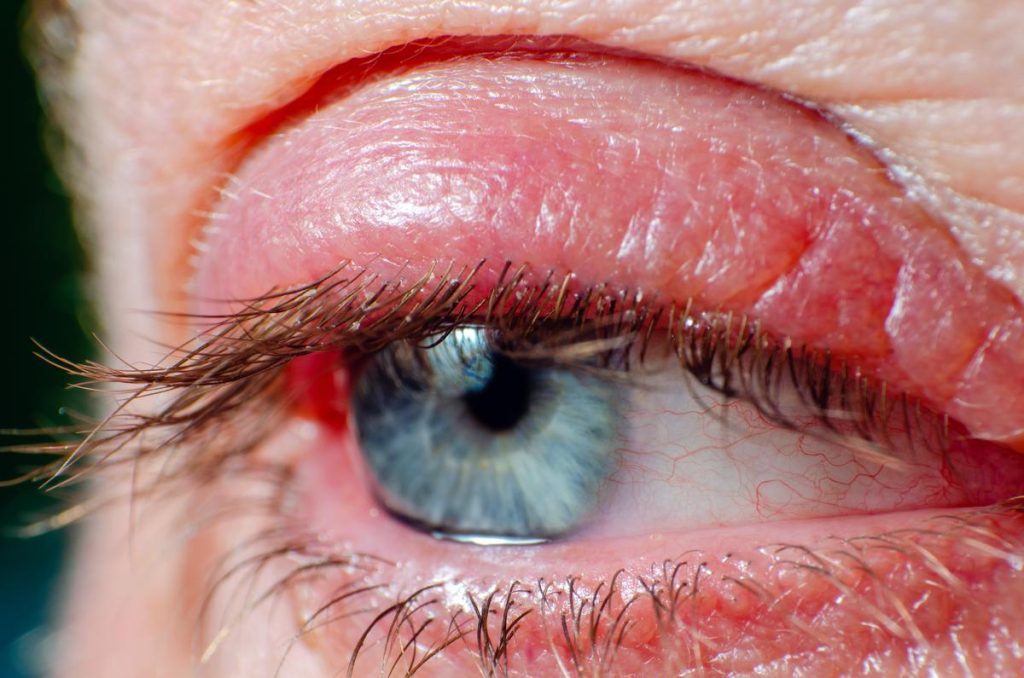
- Eyelid redness: Blepharitis often causes redness at the edges of the eyelids. The redness can make the eyelids appear visibly redder or more inflamed.
- Swollen eyelids: Inflammation and infection can cause the eyelids to swell. This swelling can make them appear thicker or more swollen than normal.
- Flaking or scaling on the eyelids: Blepharitis can cause flaking or scaling of the skin at the edge of the eyelids. This condition is often associated with the buildup and crusting of dead skin cells.
- Eyelid crusting : Blepharitis can cause crusts or scaling to form on the edge of the eyelids. These crusts are usually made up of oil, dead skin cells, or pus-filled fluids that have accumulated at the eyelash follicles.
- Itching and burning in the eyelids: Blepharitis is often associated with itching and burning sensations. The itching or burning sensation may occur due to inflammation and irritation around the edges of the eyelids.
- Eyelash sticking on the eyelids: Blepharitis can cause eyelash sticking or adhesion due to blockage or inflammation of the oil glands at the eyelash roots. This can cause the eyelashes to stick together or to the eyelids, causing discomfort.
- Watery or dry eyes: Blepharitis can affect tear production and lead to symptoms such as watery eyes or extremely dry eyes.
Causes of eyelid inflammation
Eyelid inflammation, or blepharitis, can have various causes. Common causes that contribute to the development of blepharitis include:
- Bacterial infections: One of the most common causes of blepharitis is bacterial infections. Staphylococcus aureus, in particular, can cause anterior blepharitis. Bacterial infections can cause inflammation of the eyelash follicles and surrounding areas at the edge of the eyelids.
- Blocked Sebaceous Glands: Meibomian glands, located on the inner surface of the eyelids, produce the lipid (oil) components of tears and moisturize the surface of the eye. Blockage of these glands can cause posterior blepharitis. Blocked meibomian glands lead to oil accumulation and inflammation inside the eyelids.
- Seborrheic dermatitis: Seborrheic dermatitis is a skin condition characterized by itchy, red, and flaking skin. Seborrheic dermatitis can cause blepharitis at the edge of the eyelids.
- Demodex mites: Demodex mites are microscopic mites that live in the roots of eyelashes. Sometimes, Demodex mites can overgrow on the eyelids and cause blepharitis.
- Dysfunction of the oil glands: When the normal oil production and secretion of the meibomian glands is disrupted, the quality of the oil inside the eyelids can be affected. This can lead to posterior blepharitis.
- Allergic reactions: Allergic reactions in the eyelids can cause blepharitis. Exposure to allergens that come into contact with the eyelids, such as makeup, contact lenses, or environmental irritants, can cause inflammation and blepharitis.
Blepharitis usually occurs as a result of a combination of factors. In particular, poor personal hygiene, lack of regular eyelid cleaning, and bacterial accumulation in eyelash follicles can contribute to the development of blepharitis. Identifying the causes of blepharitis is crucial for determining the appropriate treatment approach.
How is eyelid inflammation diagnosed?
- Physical exam: Your doctor will carefully examine your eyelids, looking for signs of redness, swelling, flaking, crusting, or swollen eyelashes.
- History: The doctor will ask questions about your symptoms, such as when they began, how they progressed, and whether there are any triggers. They will also inquire about past eye conditions, allergies, contact lens use, and your general health.
- Tear test : Your ophthalmologist may take a tear sample to evaluate the composition and quantity of your tears. This may indicate inflammation of the eyelids or dysfunction of the Meibomian glands.
- Eyelash examination: Your doctor may examine your eyelashes and look for signs of blocked eyelash follicles, flaking, lash loss, or irregular growth. This can help determine the type of blepharitis you have.
- Skin tests: In some cases, allergy tests or skin biopsy may be required to detect skin allergies or skin diseases.
In some cases, additional tests may be performed to rule out other eye conditions underlying blepharitis. For example, eyelid swabs may be taken to evaluate the surface of the eye or tear flow tests may be performed to assess the condition of the tear ducts.
Accurately diagnosing blepharitis is crucial for determining the appropriate treatment plan. Therefore, it's important to see an ophthalmologist if you experience any of these symptoms.
Treatment of eyelid inflammation
Treatment for eyelid inflammation, or blepharitis, can vary depending on the type of blepharitis (anterior or posterior), its severity, and the underlying cause. Treatment generally focuses on relieving symptoms, controlling infection, and maintaining eyelid hygiene. Some common treatment methods include:
- Eyelid cleaning: Eyelid cleaning is the key to treating blepharitis. Your ophthalmologist can teach you how to clean your eyelids. This typically involves using warm water and baby shampoo or specialized eyelid cleansing solutions. Cleaning can reduce inflammation by reducing accumulated oil, crust, and bacterial buildup at the eyelash follicles.
- Warm compresses: Warm compresses are used to help relieve inflammation in the eyelids and open blocked glands. A clean cloth or a hot water bottle is soaked in warm water and applied to the eyelids. Warm compresses can increase blood flow and provide relief to inflamed areas.
- Eyelid medications: Your doctor may prescribe medications for your eyelids, such as antibiotic ointments or eye drops. These medications can be used to control bacterial infections or reduce inflammation. Your doctor will instruct you on how to use them.
- Eyelash massage: To encourage proper meibomian gland function, your doctor may recommend an eyelash massage. Gently massaging the roots of your eyelashes can help unclog the glands and regulate oil secretion.
- Oral medications: In some cases, treatment may require oral medications. For example, in severe cases of blepharitis, doctors may prescribe oral antibiotics or anti-inflammatory medications.
It's also important to take these precautions when treating blepharitis:
- Remove all eye makeup and avoid using it if possible.
- Be careful not to share personal care tools such as eyelash combs.
- If you wear contact lenses, clean them and follow hygiene rules.
- Do not rub your eyes or pull your eyelashes.
Blepharitis can be a chronic condition, and sometimes regular care may be necessary to manage treatment. It's important to stay in touch with your doctor for regular checkups to ensure your response to treatment and to keep your symptoms under control.
What are the possible complications of blepharitis?
Blepharitis is usually a treatable condition, but if left untreated or inadequately treated, it can lead to complications. Here are some of the possible complications of blepharitis:
- Eye infections: Blepharitis, inflammation of the eyelids, can increase the risk of bacterial infections. These infections can lead to eye conditions such as conjunctivitis (inflammation of the eye), keratitis (inflammation of the cornea), and, in more serious cases, uveitis.
- Dry eyes: Blepharitis can affect tear production and tear quality. This can lead to dry eyes. Symptoms of dry eyes include burning, itching, redness, and discomfort.
- Contact lens problems: Blepharitis can be particularly problematic for contact lens wearers. Inflammation of the eyelids and blocked oil glands can interfere with the comfortable fit of lenses and cause them to become dirty more quickly. Wearing contact lenses can also worsen blepharitis symptoms.
- Permanent changes to the eyelids: Chronic, untreated blepharitis can cause permanent changes to the eyelids, including thickening of the eyelids, scarring, and loss of eyelashes or irregular eyelash growth.
- Conjunctival vascular changes: Blepharitis can cause blood vessels in the conjunctiva (the white part of the eye) to dilate and become visible. This can lead to eye redness and cosmetic concerns.
These complications can occur if blepharitis is left untreated or improperly managed. Therefore, if you have symptoms of blepharitis, it is important to see an ophthalmologist and follow an appropriate treatment and management plan.
