


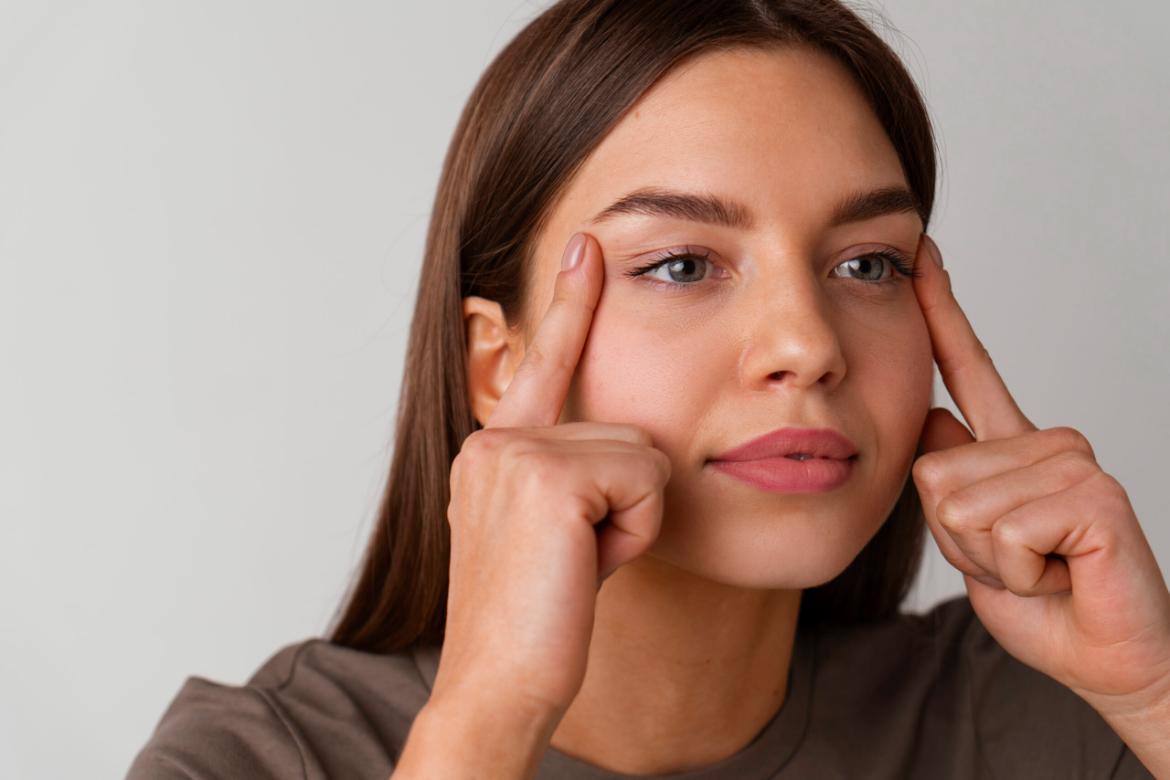
Eyebrow Loss Causes and Treatment Methods
Eyebrows play a critical role in the physiological functions of the eyes. However, eyebrow loss can occur for various reasons and negatively impact a person's quality of life. It's important to understand the causes, symptoms, treatment, and prevention of eyebrow loss.
Eyebrows, like the eyelids, eyelashes, and other tissues, act as a barrier to protect the eye from environmental factors, including sweat, oil, and microorganisms. However, due to various health issues or environmental factors, hair follicles in the eyebrows can become lost, reducing eyebrow density, and this can lead to hair loss.
Thinning and loss of eyebrow hair can occur in one or both eyebrows. Depending on the underlying cause, this condition can also cause problems with other hair follicles on the face, scalp, other areas of the skin, or other body tissues.
Prevention and treatment of hair loss vary depending on the underlying cause. Appropriate treatment and precautions can be taken in consultation with a healthcare professional. Additionally, maintaining a healthy lifestyle, eating a balanced diet, and reducing stress can also help support eyebrow health.
Causes of Eyebrow Loss
It can occur due to disruptions in keratin production in the hair follicles that form the eyebrows, physiological conditions that prevent eyebrow production, environmental factors, or certain health problems. Possible causes of hair loss include:
- Aging : With advancing age, the ability of tissues to regenerate decreases and hormonal changes can cause thinning and loss of eyebrows.
- Nutrition: Inadequate intake of vitamins and minerals necessary for the renewal of hair follicles, especially deficiencies of substances such as vitamin A, zinc, biotin and iron, can lead to eyebrow loss.
- Chemicals: Frequent plucking of eyebrows, excessive makeup or use of chemical products can damage the hair follicles and result in thinning eyebrows.
- Skin diseases: Skin diseases such as atopic dermatitis, seborrheic dermatitis, alopecia areata, and psoriasis can affect the hair follicles in the eyebrows and cause hair loss.
- Infections: Infections affecting the eyebrow hair follicles can cause eyebrow loss.
- Thyroid diseases: Diseases such as hypothyroidism, which occurs as a result of irregular functioning of the thyroid gland, can cause eyebrow hair loss.
- Stress and anxiety: Intense stress or anxiety can negatively affect and cause hair follicle development by affecting physiological processes in the body.
- Pregnancy: Hormonal changes can cause sudden hair loss or thinning in the eyebrows after pregnancy and childbirth.
- Chemotherapy: Some cancer treatment drugs can cause eyebrow hair loss, similar to hair loss.
It's important to identify the underlying cause and initiate appropriate treatment. Therefore, a consultation with a dermatologist or specialist may be necessary.
Symptoms Associated with Eyebrow Loss
Individuals with eyebrow hair loss may experience certain clinical symptoms. These symptoms may vary depending on the underlying cause of eyebrow hair loss. Some symptoms that may accompany eyebrow hair loss include:
- Skin redness and/or tenderness: There may be skin redness or tenderness in the eyebrow area.
- Itching: People may experience itching in the eyebrow area.
- Dryness of the skin, flaking, eczema: Along with eyebrow loss, conditions such as dry skin around the eyebrows, flaking of the upper layer of the skin or eczema may be observed.
- Paleness of the skin: Paleness of the skin may be observed.
- Weakness, fatigue: In some cases, people experiencing eyebrow loss may feel weak and tired.
- Purulent discharge at the hair roots, hair breakage: Symptoms such as purulent discharge at the hair roots or hair breakage from the root or middle may occur.
- Skin color changes: Along with eyebrow loss, skin color changes, darkening of the skin or lightening of its color in the form of white plaques may be observed.
- Rash, redness on the scalp; hair loss, dullness, breakage or oiliness: Along with eyebrow loss, symptoms related to hair health such as rash, redness on the scalp; hair loss, dullness, breakage or oiliness may also be observed.
These symptoms can vary depending on the individual's condition and the underlying cause. If you are concerned about eyebrow hair loss and associated symptoms, it's important to consult a dermatologist or specialist.
Eyebrow Loss Treatment: How Is It Done?
Various methods can be used in treatment. However, for treatment to be effective, it is important to first determine the underlying cause. Some of the methods used in treatment include:
- Topical treatments: Topical medications such as minoxidil or corticosteroids can increase eyebrow hair production and reduce damage to hair follicles. These medications are often the first choice for treating eyebrow hair loss.
- Diet: It's important to ensure a diet rich in minerals, vitamins, and nutrients that support eyebrow growth. Adequate intake of nutrients such as omega-6 fatty acids, vitamin A, zinc, iron, and vitamin C can help prevent eyebrow hair loss. If necessary, nutritional supplements can be used.
- Endocrinological treatments: For individuals experiencing this condition due to hormonal changes, a specialist may recommend endocrinological treatments. Correcting hormone levels can help prevent hair loss.
- Acupuncture: In some cases, especially in cases of alopecia, acupuncture may be helpful in reducing hair loss. However, more research is needed on the effectiveness of this method.
- Scalp transplantation: In cases of severe hair loss that has not responded to other treatments, a scalp transplant to the eyebrow area may be considered. This method is generally considered a last resort and requires surgical intervention.
Eyebrow loss treatment can vary depending on the individual's condition. Therefore, it's important to consult a dermatologist or specialist to determine the most appropriate treatment method.
What is Good for Eyebrow Loss?
Helpful methods include prescription medications recommended by your doctor, essential oils (such as castor oil and lavender oil), and, if necessary, cosmetic surgery. Additionally, taking vitamin A, vitamin C, iron, and zinc supplements can help prevent eyebrow hair loss and promote healthier eyebrows.
Methods that can help with eyebrow loss include:
- Corticosteroid medications: They can help reduce inflammation.
- Omega-3, Omega-6, vitamins A and C, iron, and zinc supplements: These supplements can help keep eyebrows healthy and prevent hair loss.
- Hormonal imbalance treatment: Depending on hormonal changes, hormone balance can be achieved with medications recommended by your doctor.
- Essential oils: Essential oils such as castor oil, lavender oil, and aloe vera gel can support the health of eyebrows and prevent hair loss.
- Avoiding stress: Reducing stress can positively affect overall body health and therefore eyebrow health.
It's important to consult your doctor regarding the use, dosage, and potential side effects of essential oils outside of medical treatments. For any health issue, it's recommended to consult a professional for proper diagnosis and treatment.
What Diseases Does Eyebrow Loss Indicate?
It can be a sign of many different health problems. These problems may include:
- Dermatological problems: It can be a symptom of skin conditions such as alopecia areata (hair loss in one spot), seborrheic dermatitis, atopic dermatitis or psoriasis.
- Thyroid problems: Thyroid problems such as hypothyroidism (underactive thyroid gland) or hyperthyroidism (overactive thyroid gland) can be the cause.
- Nutritional deficiencies: Nutritional deficiencies such as iron deficiency anemia can lead to hair loss.
- Stress and anxiety: Intense stress or anxiety can affect physiological processes in the body, causing eyebrow loss.
- Hormonal changes: Hormonal imbalances can lead to erectile dysfunction, especially during periods of frequent hormonal changes (e.g., pregnancy, menopause).
- Infections: Infections affecting the hair follicles around the eyebrows can cause hair loss.
- Chemotherapy: Chemotherapy administered as a cancer treatment can also cause hair loss, similar to hair loss.
As it may be a sign of underlying health issues, individuals experiencing persistent or significant eyebrow hair loss are advised to consult a doctor. This can help identify the underlying cause and initiate appropriate treatment.
Do Fallen Eyebrows Come Back?
If the hair loss is temporary, such as due to stress, hormonal changes, or nutritional deficiencies, eyebrows can usually grow back. However, if there's an underlying health issue causing the hair loss, such as a skin condition or thyroid problem, the underlying condition may need to be treated for the eyebrows to return.
Eyebrows typically grow slowly, a process that can take weeks or months. Patience is key for eyebrows to grow back. Additionally, a healthy diet, stress management, and skincare routine are essential to help your eyebrows grow back healthy.
If the loss or thinning of your eyebrows is a concern, it's important to consult a dermatologist or specialist. They can evaluate appropriate treatment options and help your eyebrows grow back healthy.
