


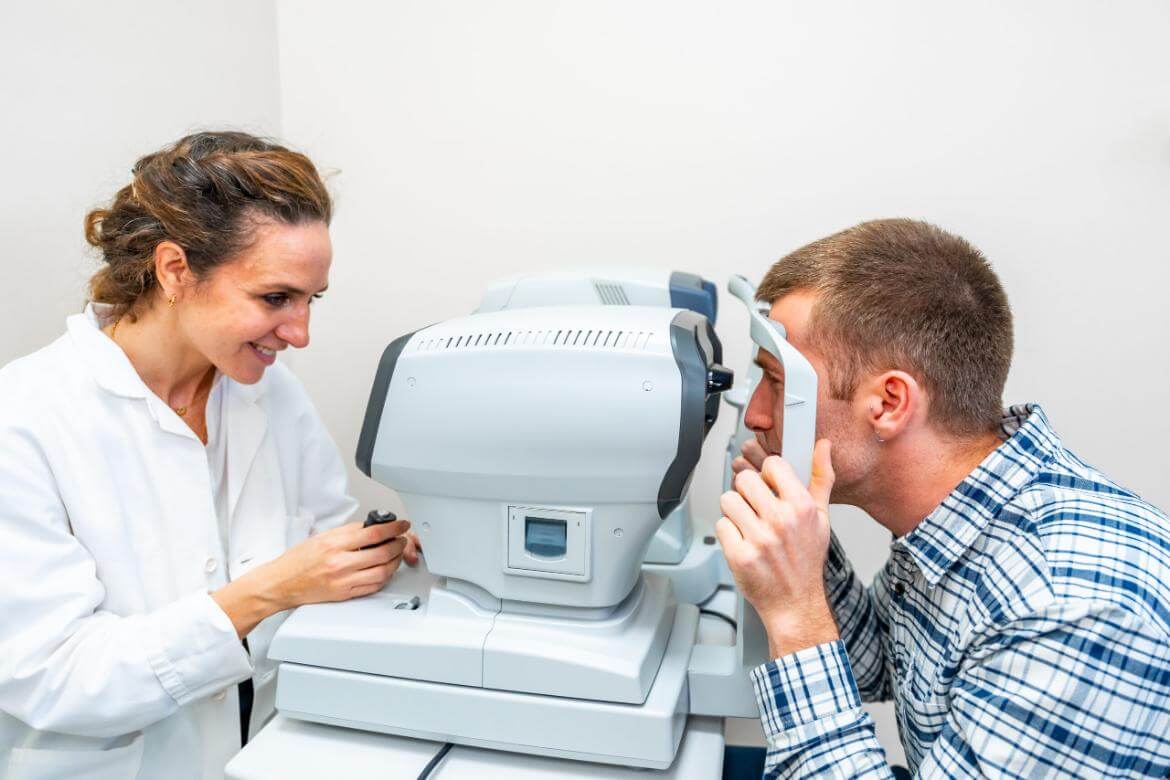
Eye Examination, Eye Health Check-up Step by Step
What is an Eye Examination?
An eye exam is a detailed examination performed to evaluate your eye health, identify vision problems, and diagnose potential eye diseases early. The ophthalmology department is the medical unit that deals with eye health and vision problems. This department performs eye exams , vision tests, and diagnoses and treats conditions such as cataracts, glaucoma, and glaucoma. These checkups, performed by an ophthalmologist , can help prevent serious conditions that can lead to vision loss.
Why is an eye examination performed?
An eye clinic is a specialized health unit where all kinds of diagnosis, treatment and follow-up procedures related to your vision health are carried out. There may be many different reasons for an eye examination in this department:
- Detection of visual impairments (myopia, hyperopia, astigmatism, etc.)
- Early diagnosis of eye diseases (glaucoma, cataracts, macular degeneration)
- Investigating the cause of complaints such as headache, blurred vision, eye fatigue
- Detection of conditions such as amblyopia and strabismus in children
- To examine the effects of systemic diseases such as diabetes and hypertension on the eye
- Evaluating before laser treatment or surgical procedures
How is an Eye Examination Performed?
- Taking the Disease History
The examination begins by listening to the patient's complaints. Symptoms such as burning, stinging, itching, vision loss, and headache are also discussed, along with questions about past medical conditions and medications used.
- Visual Acuity Test
The patient looks at a panel (Snellen chart) marked with letters or symbols from a distance. This test measures the patient's vision at distance and near . If necessary, glasses are prescribed.
- Refractive Error Measurement (Refraction Test)
A device called an autorefractometer is used to assess whether the patient is nearsighted, farsighted, or astigmatic. The computerized measurement results are then refined with manual refractive errors.
- Eye Pressure Measurement (Tonometry)
Intraocular pressure is measured to assess the risk of glaucoma. This is done by briefly blowing air onto the surface of the eye.
- Biomicroscopy (Slit Lamp) Examination
The external structures of the eye (cornea, iris, lens, conjunctiva) are examined in detail with a microscope-like device and cataracts, inflammation or corneal disorders can be detected.
- Fundus Examination
After pupil-dilating drops are instilled, the retina, optic nerve, and intraocular vasculature are examined with a special lens. Problems such as diabetic retinopathy, age-related macular degeneration, and vascular occlusions are diagnosed at this stage.
- Evaluation of Eye Muscles
The movement ability of the eye muscles is checked. This test can detect any conditions such as strabismus or muscle weakness.
What Diseases Are Diagnosed During an Eye Examination?
The following conditions can be diagnosed during an eye examination:
- Myopia, hyperopia, astigmatism
- Cataract (clouding of the eye lens)
- Glaucoma (eye pressure disease)
- Macular degeneration (macular degeneration)
- Retinal tears and vascular occlusions
- Strabismus and lazy eye
- Dry eyes and infections
- Eye damage due to diabetes or blood pressure
How Long Does an Eye Examination Take?
A standard eye exam takes approximately 15-30 minutes. When performing a fundus exam, the effects of pupil-dilating drops may take several hours to wear off.
When Should an Eye Examination Be Performed?
The frequency of eye exams varies depending on age and current health. Recommended intervals for each age group are as follows.
Pediatric Eye Examination
- At 1 year of age: First eye exam is recommended.
- At 3 years old: Evaluation should be made for disorders such as amblyopia and strabismus.
- Pre-primary school: Vision levels should be checked.
- School period: Regular check-ups every year are important for visual impairments that affect academic success.
Adult (18–40 years old) Eye Examination
- Routine examinations are recommended every 1-2 years .
- Those who wear glasses or contact lenses should be checked more frequently.
Eye Examination for People Over 40
- An eye check-up should be done at least once a year .
- Risks such as glaucoma, cataracts and age-related macular degeneration (macular degeneration) increase in this age group.
Eye Examination for those aged 65 and over
- A detailed eye examination at least once a year is essential.
- Regular check-ups are necessary for early diagnosis of aging-related eye diseases.
In Which Situations Should an Eye Examination Be Performed?
Eye examination should be performed without delay in the following cases:
- Blurred vision or double vision
- Pain, burning, stinging sensation in the eye
- Seeing flashes of light or floaters
- Sudden vision loss
- Eye redness or watering
- Vision problems accompanied by headaches
- Swelling or drooping of the eyelids
- Foreign body sensation in the eye
- Presence of systemic diseases such as diabetes or hypertension
- Having a family history of glaucoma (eye pressure)
- For control purposes after laser surgery or surgical intervention
Eye diseases can be treated or their progression halted when diagnosed early. Even if symptoms are absent , regular eye exams are crucial for preventing permanent vision loss. These checkups are crucial for those with chronic illnesses and those over 40.
Ankara Eye Diseases Specialist Doctors, Examination and Appointment
Eye health is one of the most important factors that directly affects quality of life. Ankara, the capital, boasts highly developed healthcare institutions for both diagnosis and treatment of eye diseases . Both public and private hospitals in Ankara offer ophthalmology clinics. Examinations by specialist ophthalmologists allow for early detection and treatment of many eye conditions. Private hospital eye exams stand out with their fast appointments, comprehensive diagnostic methods, and personalized services. If you have any concerns about your eyes or simply want a routine checkup, you can schedule an eye exam now .
Private Hospital Eye Appointment
Many private hospitals offer eye exams equipped with advanced technology and expert doctors. You can schedule an appointment today for blurry vision, eye pain, redness, dry eyes, or any other routine checkup needs. Contact us today by phone or through our online appointment system to schedule an eye appointment .
Magnet Hospital Eye Examination and Appointment
Magnet Hospital's Ophthalmology Clinic is at your service for your eye health, with modern equipment and an experienced team of specialists. We offer detailed examinations for all your eye problems, including cataracts , glaucoma, amblyopia, and myopia/hyperopia. You can choose one of the options below for your ophthalmologist appointment .
- If you would like to make an appointment at Magnet Hospital's Eye Department , please call our call center at 0 212 80 80. Click here for an online appointment.
