


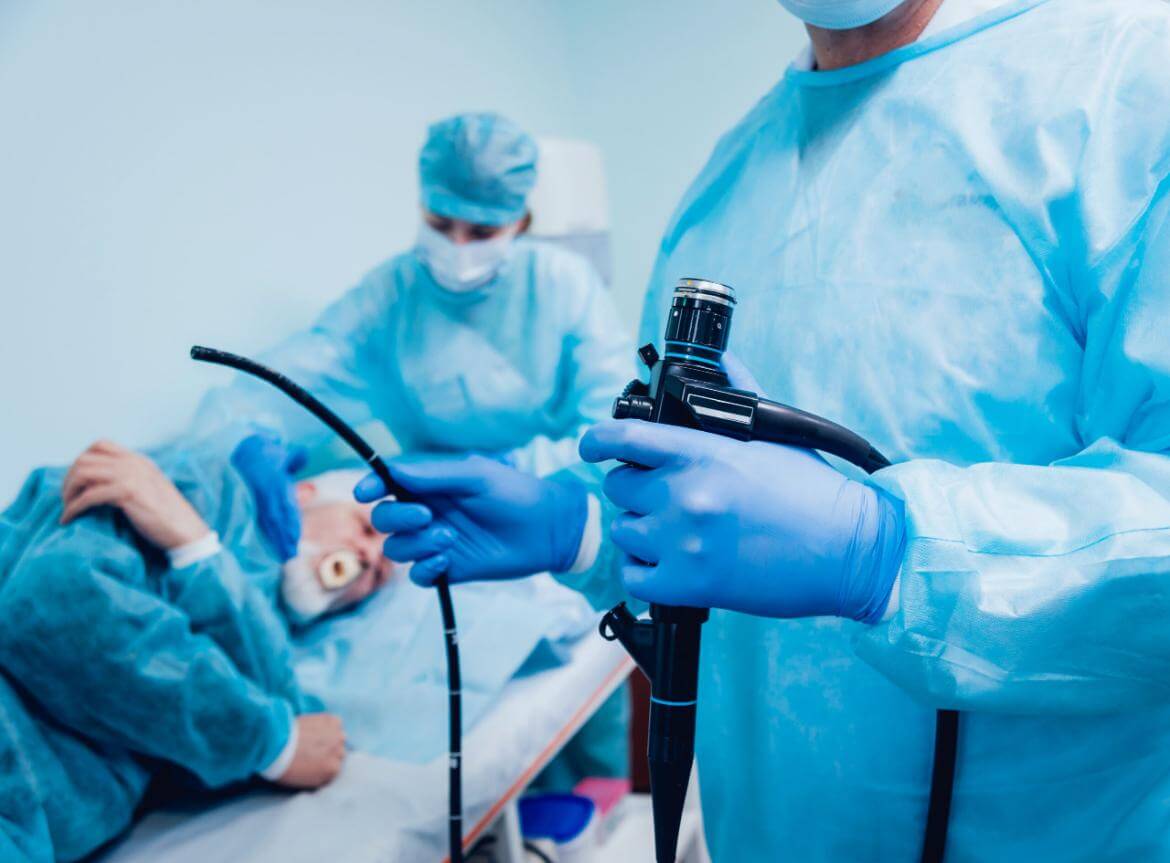
Endoscopy
Endoscopy is the imaging and examination of parts of the digestive system using a tube equipped with a light source and a camera. This procedure is used to diagnose conditions in the esophagus, stomach, and duodenum. It is a flexible, thin tube with a camera and light at its end.
Why is Endoscopy Performed?
Endoscopy is a diagnostic and therapeutic procedure used to directly observe the internal structure of the digestive system. It is performed to identify the source of complaints related to the stomach, esophagus, and intestines. Being a painless and rapid procedure , it allows doctors to diagnose illnesses early and intervene promptly when necessary.
1. The Cause of Digestive System Complaints is Investigated
- It is used to determine the cause of discomfort such as heartburn, sourness, bloating and indigestion.
- It is important in diagnosing diseases such as inflammation of the esophagus (esophagitis), gastritis or ulcers.
2. Stomach and Intestinal Bleeding is Detected
- If occult blood is found in the stool or vomited, endoscopy is performed to determine the source of the bleeding.
- Minor stomach or intestinal bleeding can be stopped during endoscopy.
3. Reflux and Esophageal Diseases Are Evaluated
- In patients with chronic reflux, the esophagus is checked for damage.
- It is important for the early diagnosis of serious diseases such as Barrett's esophagus.
4. Tumors and Polyps Are Diagnosed Early
- Endoscopy helps detect stomach and intestinal cancers at an early stage.
- Precancerous lesions can be identified by taking biopsies from suspicious tissues.
5. Foreign Bodies and Strictures Are Removed with Intervention
- Swallowed foreign objects or strictures in the esophagus can be removed or widened by endoscopy.
6. Detection of Helicobacter Pylori Infection
- A stomach biopsy may be taken to detect the presence of Helicobacter pylori, the bacteria that causes stomach ulcers .
Endoscopy is a fast, safe, and effective method for diagnosing and treating digestive disorders. It pinpoints the source of symptoms, enabling early diagnosis and, if necessary, simultaneous treatment. If you have persistent digestive disorders, an endoscopy can be crucial for early diagnosis.
Types of Endoscopy (Digestive System)
- Gastroscopy (Upper Endoscopy):
- Area of Use: It is performed to examine the stomach, esophagus and duodenum.
- How It's Done: An endoscope is used, which is passed through the mouth, down the throat, and into the esophagus, stomach, and duodenum.
- What is it made for?
- Investigating the cause of complaints such as heartburn, reflux, and indigestion.
- To diagnose diseases such as stomach ulcers, gastritis, and inflammation of the esophagus (esophagitis).
- To detect polyps, tumors, and bleeding sources.
- Colonoscopy :
- Area of Use: It is used to examine the large intestine and rectum.
- How It's Done: The colon and rectum are observed with an endoscope inserted into the large intestine through the anus.
- What is it made for?
- Colon cancer screening (especially recommended for people over age 50).
- Detection of suspicious polyps, intestinal tumors or inflammations.
- To find the source of complaints such as blood in the stool, bloating, and constipation.
- Small Intestine Endoscopy (Enteroscopy):
- Uses: Used to examine the small intestines, particularly areas beyond the upper intestines (duodenum).
- How is it done? Endoscopy can be performed through the mouth or the anus. The procedure provides access to the small intestine.
- What is it made for?
- Diagnosing diseases of the small intestine.
- To detect bleeding, inflammation, infection, or tumors.
How is Endoscopy Performed?
Endoscopy is a procedure in which a flexible tube with a camera on its end (endoscope) is passed through the mouth or nose into the esophagus, stomach, and duodenum to examine the digestive system. It is a widely used, safe method for the diagnosis and treatment of stomach disorders.
Endoscopy Stages
1. Preparation Process
- 8-12 hours before the procedure , solid food consumption should be stopped and only water can be drunk.
- If the patient is using blood thinners or diabetes medications, medication adjustments are made according to the doctor's recommendation.
- To ensure a comfortable procedure, mild intravenous sedation is usually administered.
2. Transaction Moment
- The patient is placed in the left lateral decubitus position.
- The throat is numbed with a numbing spray and a plastic mouthpiece is placed between the teeth.
- The endoscope is advanced into the esophagus through the mouth or nose.
- With the help of a camera, the doctor examines the esophagus, stomach and duodenum in detail.
- If necessary, a biopsy may be taken or minor interventions may be performed (e.g., polyp removal, stopping bleeding).
- The process usually takes 5-15 minutes .
3. Post-Process
- The patient is left to rest for 20-30 minutes and is sent home after the sedation wears off.
- There may be a slight burning sensation in the throat or gas bloating, but it will soon resolve.
- Depending on the doctor's recommendation, it may be necessary to avoid eating and drinking for a few hours.
Endoscopy is a rapid and effective method for diagnosing digestive disorders. The procedure is generally straightforward and carries no risk of serious complications.
Who Can Have an Endoscopy Procedure?
Gastrointestinal endoscopy is a common method used to diagnose and treat digestive disorders. Endoscopy is a procedure that visually examines the inside of the digestive tract and helps detect various diseases in the digestive system, including the stomach, esophagus, small intestine, and large intestine. However, this procedure may not be suitable for every patient. Here are some patient groups that may be eligible for gastrointestinal endoscopy:
- Those with Stomach and Esophagus Complaints
An endoscopy may be performed for individuals experiencing symptoms such as heartburn (reflux), stomach pain, difficulty swallowing, chronic stomach aches, and indigestion . These symptoms can often indicate a problem with the stomach, esophagus, or intestines.
- Those with Digestive System Bleeding
Gastrointestinal bleeding, including bleeding accompanied by blood in stool or vomiting, is investigated with an endoscopy. This type of bleeding can originate from organs such as the stomach, intestines, or esophagus.
- Those with Inflammatory Bowel Diseases
Endoscopy is performed in cases where inflammatory bowel diseases such as Crohn's disease and ulcerative colitis are suspected.
Chronic abdominal pain and blood in the stool : These types of symptoms may be signs of inflammatory bowel disease.
Diarrhea, constipation, or stool changes : Changes in bowel function may be observed due to inflammation.
- People at Risk for Colon Cancer and Polyps
Colon cancer is one of the most common types of cancer, especially in individuals aged 50 and over. A family history of colon cancer can increase the risk of cancer. Regular colonoscopies may be recommended for these individuals. Colon cancer screening : Regular colonoscopies are recommended for individuals aged 50 and over. Colon polyps can be detected and removed before they become cancerous. Therefore, a colonoscopy may be performed if polyps are suspected.
- Those with Stomach Ulcer or Gastritis Symptoms
Endoscopy plays an important role in diagnosing stomach conditions such as stomach ulcers or gastritis. It can be particularly helpful in evaluating symptoms such as stomach pain, nausea, and vomiting.
- Those with Advanced Digestive Problems
Individuals experiencing long-term digestive complaints may undergo an endoscopic evaluation. Gastrointestinal dysfunction, such as chronic constipation, bloating, or indigestion, can be examined with an endoscopy. Endoscopy can also be performed to identify the source of esophageal or stomach problems.
- Mysterious Abdominal Pain or Bowel Problems
Some patients present with symptoms such as abdominal pain, bloating, or digestive problems, but the cause can be difficult to determine. Endoscopy can be used to investigate these conditions.
- Follow-up of a Previously Detected Disease
After treatment of digestive system diseases, endoscopy may be performed to monitor patients.
Who Should Not Have Endoscopy?
There are some situations where endoscopy is not recommended. These include:
- Severe heart disease or respiratory problems : Caution should be exercised in patients with severe heart or respiratory problems, as anesthesia may be required during the endoscopic procedure.
- Severe stomach or bowel obstruction or perforation : Endoscopy should not be performed in cases where the digestive tract is severely obstructed or perforated.
- Pregnancy : Endoscopy is generally not recommended during pregnancy, especially in the first trimester.
Pre-Endoscopy Preparation
- You must inform your doctor about the medications you are using.
- Blood thinning medications (e.g. aspirin, warfarin, etc.) can be stopped before endoscopy or adjusted according to the doctor's recommendation.
- People with diabetes should receive instructions from their doctor on how to regulate their blood sugar before endoscopy.
- Some medications, especially those that block stomach acid (antacids), may be taken before the procedure.
- If the endoscopy is to be performed orally, a throat spray may be used to numb the throat.
- Endoscopy is usually performed with local anesthesia (throat spray) or sedation (light sleep). Your doctor will inform you about the anesthesia options available.
- In endoscopy performed with sedation, you may be made to sleep during the procedure.
- Before the endoscopy, comfortable and loose clothing should be preferred.
- You may need to undress from the waist down during the procedure, so it's a good idea to wear comfortable clothing below.
- Avoid using deodorant or perfume, as these may interact with the equipment used during the endoscopy procedure.
- Your doctor will explain how the endoscopy will be performed and any possible risks.
- You will be informed if any additional interventions such as surgery or biopsy are required.
- Finally, you may be asked to sign a consent form.
Frequently Asked Questions
Is Endoscopy a Risky Procedure?
Endoscopy is generally considered a safe procedure, but as with any medical procedure, it can carry some risks. While these risks are generally rare, they can include:
Infection: There is a risk of infection wherever an endoscope is used. Therefore, sterilization of the endoscope and maintaining hygienic conditions are important. When adequate precautions are taken, the risk of infection is minimal.
Bleeding: There may be a risk of bleeding during endoscopy. This risk may be particularly high if procedures such as biopsy or polyp removal are performed to obtain tissue samples or for therapeutic purposes. Bleeding is usually mild and stops spontaneously, but in rare cases, intervention may be necessary.
Perforation: Although a rare complication, there is a risk of the endoscope perforating, potentially damaging organs. This typically occurs during treatment or biopsy. In the event of a perforation, surgical intervention may be necessary.
Complications of Anesthesia or Sedation: There are risks associated with the anesthesia or sedation used during endoscopy. These can cause side effects such as breathing problems, low blood pressure, or allergic reactions. However, anesthesia and sedation are generally administered safely by an experienced healthcare team.
It's important that endoscopic procedures be used only when their benefits outweigh their potential risks. Endoscopy is an important tool for diagnosing and treating many conditions, whether for diagnostic or therapeutic purposes.
What should be taken into consideration after endoscopy?
After the endoscopy procedure, as after the colonoscopy procedure, it is recommended that the patient not do things that require responsibility, such as driving or signing important contracts.
Who cannot undergo endoscopy?
Endoscopy is generally a safe procedure, but it may be contraindicated in certain circumstances or in individuals with certain health conditions. Before performing an endoscopic procedure, the doctor evaluates the patient's health history and current condition to determine whether endoscopy is appropriate. Some situations in which endoscopy may not be appropriate include:
- Allergic Reactions: Endoscopy may not be performed on individuals with a history of allergic reactions to certain medications or anesthetics used in endoscopy.
- Respiratory Problems: Endoscopy may not be performed on people with severe respiratory distress or serious respiratory conditions such as chronic obstructive pulmonary disease (COPD).
- Heart Conditions: Endoscopy may be risky for people with serious heart conditions (e.g., unstable angina, severe heart failure). In these cases, evaluation and clearance from a cardiologist may be necessary.
- Bleeding Risk: Endoscopy may not be performed on individuals at risk for severe bleeding. For example, individuals with bleeding disorders or those who have recently experienced significant bleeding should not undergo endoscopy.
- General Health: In some cases, an endoscopy may not be suitable for a person's general health. For example, if the person is extremely thin, has a widespread infection, or has a systemic illness, endoscopy may be postponed.
- Acceptance and Cooperation : It is important for the patient to cooperate, remain calm, and follow instructions during the endoscopic procedure. Therefore, if an individual is unwell or has difficulty with compliance, an endoscopy may not be performed.
When will the sore throat go away after endoscopy?
A sore throat after an endoscopy can occur due to the flexible tube used during the endoscopy being inserted and moved down your throat. Recovery time may vary for each individual, but the sore throat usually subsides and resolves completely within a few days.
Which doctor should I see for endoscopy?
Endoscopy is a procedure used to diagnose diseases of the digestive system. Doctors who perform this procedure are usually gastroenterologists. Gastroenterologists diagnose and treat diseases of the digestive system, including the stomach, intestines, liver, and pancreas.
Can I drink water before an endoscopy?
Preparation for endoscopy usually requires a fasting period. This period is important to empty the stomach and minimize potential complications during the procedure. All fluids, including water, are generally stopped for at least six hours (sometimes longer) beforehand. However, it's important to strictly follow your doctor's recommendations, as the fasting period and instructions before the procedure can be patient-specific.
Your doctor will give you specific instructions before your endoscopy. Following these instructions carefully will ensure the procedure is completed successfully and reduce the risk of complications. If you have been specifically instructed to drink water before the procedure, follow your doctor's instructions. Otherwise, it's important to adhere to the recommended fasting period.
How Long Does Endoscopy Take?
It takes between 15 and 30 minutes, depending on the patient and the procedure.
Post-Endoscopy Nutrition
Paying attention to your diet after an endoscopy can speed up the healing process. It's generally recommended to limit your fluid intake for the first few hours after the procedure. Soft, light, and easily digestible foods should be preferred. Avoiding fatty, spicy, and acidic foods will support healing. Additionally, avoid heavy meals, which can have negative effects on the stomach or intestines. You can gradually return to a normal diet following your doctor's recommendations.
Can I Get Nausea After Endoscopy?
Yes, some people may experience nausea after the procedure. This side effect is usually temporary and resolves within a few hours. Your doctor may recommend post-procedure comfort measures or medications to alleviate nausea. If nausea persists or becomes severe, it's best to consult your doctor.
Is a sample taken during every endoscopy procedure?
No, not every endoscopy involves taking a sample. Whether a biopsy is performed during an endoscopy depends on the patient's symptoms, findings, and the doctor's assessment. Ultimately, the purpose of an endoscopy is to identify diseased or abnormal areas and, if necessary, to take a biopsy from that area. However, a biopsy is not required in every case.
Are Endoscopy Results Available Immediately?
Endoscopy results are usually not available immediately. During an endoscopy, doctors examine the patient's internal organs to observe any abnormalities. However, biopsy samples may need to be evaluated for laboratory testing, which can take several days. If a tissue sample is collected during the procedure, the results are usually available within 3-5 business days. However, the doctor can usually make an initial assessment based on what they observe during the procedure. Detailed results and a definitive diagnosis may require waiting for biopsy or additional test results.
Is the patient asleep during an endoscopy? It's usually performed with local anesthesia or sedation, which allows the patient to relax and feel no pain. In some cases, general anesthesia may be required, but most patients are sedated during the procedure and wake up quickly. The type of anesthesia used depends on the patient's condition and the type of endoscopy.
Will I Need to Stay in the Hospital After Endoscopy? An endoscopy is generally a short procedure, and most patients are discharged the same day. However, due to certain circumstances or complications, a period of hospitalization may be required. Your doctor will advise you on whether you will need to stay in the hospital after the procedure.
How is an endoscopy performed without sedation? Is it painful? Endoscopy is usually performed with light sedation, but local anesthesia may be preferred for some patients. In this case, the patient is awake but does not feel any discomfort during the procedure. While the likelihood of experiencing any pain during the procedure is low, each patient's experience may vary. Doctors take all necessary precautions to ensure patient comfort.
What are the Post-Endoscopy Symptoms? After an endoscopy, some patients may experience mild nausea, gas, or mild throat discomfort. These are usually temporary and resolve within a few hours. If symptoms persist, it's important to consult your doctor.
Why is Gastric Endoscopy Performed in Anemia?
Bleeding can be a symptom of conditions such as stomach ulcers, varicose veins, or stomach cancer. A gastric endoscopy may be performed to identify the cause of anemia. Endoscopy can identify the source of bleeding in internal organs and guide appropriate treatment.
How Long Does An Anesthetized Endoscopy Take? It typically takes between 15 and 30 minutes. However, the procedure time can vary depending on the type of procedure and the patient's condition. After the procedure, patients are briefly observed and then discharged.
What is Gastric Tube Insertion? Gastric tube insertion, commonly known as endoscopy in medicine , is a procedure performed through the mouth to diagnose and treat diseases of the esophagus, duodenum, and stomach.
What is Capsule (Swallowed) Endoscopy ?
It's a significant innovation in the diagnosis of digestive system diseases, allowing for less invasive and more comfortable treatment. It plays a significant role, particularly in the diagnosis of diseases of the small intestine. However, it has some limitations and potential complications, and should be used in appropriate patients.
How can I find a good doctor who performs endoscopy in Ankara?
A good endoscopist should not only possess technical knowledge but also understand patient concerns and perform the procedure safely and effectively. Endoscopy is a procedure that requires high precision and attention to detail; while it's possible to find specialized and experienced physicians in Ankara, choosing the right hospital and specialist is critical for a successful treatment.
At Private Ankara Magnet Hospital , we perform endoscopy procedures with experienced and specialized gastroenterologists. Our specialist physicians manage the diagnostic process using state-of-the-art endoscopic equipment. We always prioritize the comfort and safety of our patients. Based on your medical history, we determine the appropriate endoscopy method and develop the best treatment plan.
Does Social Security Cover Endoscopy Procedures?
The Social Security Institution (SGK) covers endoscopy costs depending on the patient's medical condition. For more information, please visit Ankara Magnet Hospital or call 0 312 212 80 80.
What are the Prices for Private Hospital Endoscopy?
There are several criteria that determine endoscopy prices . These vary depending on the patient's medical condition and the procedure ( such as biopsy ). For more information about endoscopy prices, please visit Ankara Magnet Hospital or call to schedule an appointment.
Does Supplemental Health Insurance Cover Endoscopy Procedure?
Supplementary health insurance may cover such procedures under certain conditions. You can contact your insurance company to find out whether the procedure is covered by insurance.
Does Private Health Insurance Cover Endoscopy?
Private health insurance may cover endoscopy, depending on medical necessity and the scope of the insurance policy. Contact your insurance company to find out if the procedure is covered. For more information, please visit Ankara Magnet Hospital or call 0 312 212 80 80 .
