


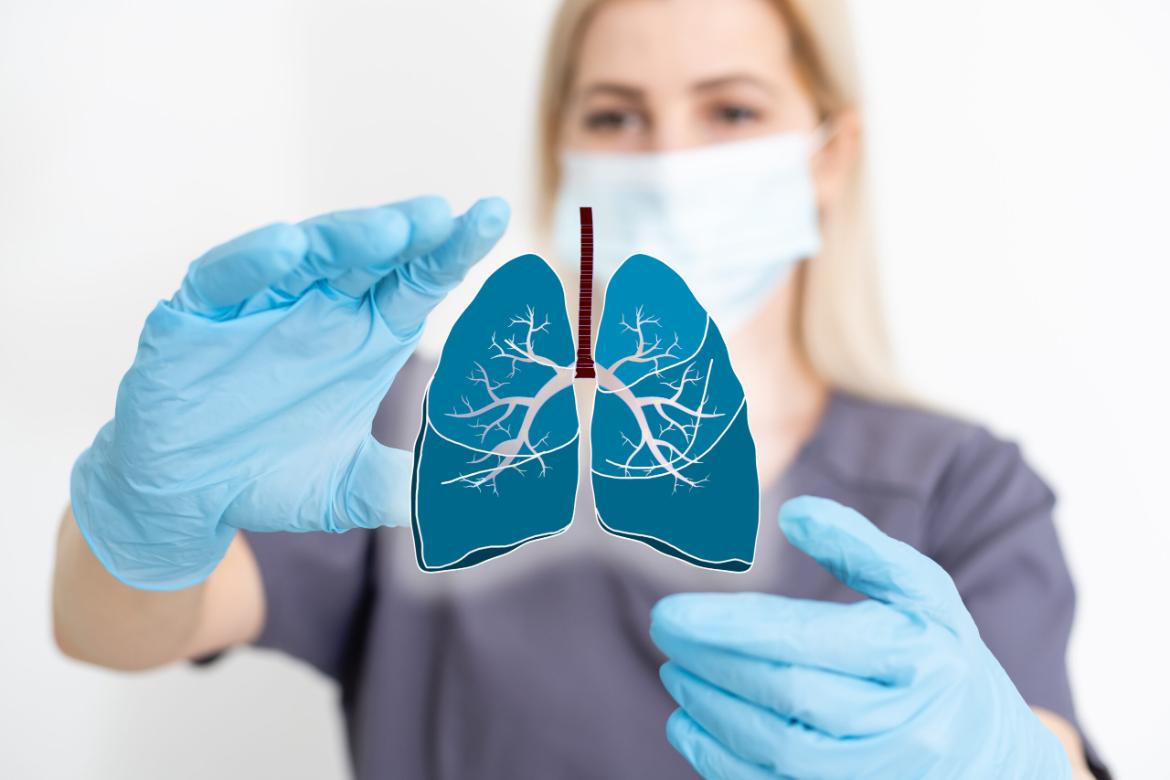
Emphysema
Emphysema is a rare disease that can be inherited genetically. However, it can also occur due to various factors, such as smoking or prolonged exposure to polluted air. Treatment and recovery may vary depending on the stage of the disease and the patient's overall health. Emphysema occurs due to damage to the lungs and can be caused by genetic, environmental, or personal factors.
While treatment and recovery methods may be more effective in the early stages of the disease, advanced stages may require surgical interventions or inpatient treatment. There are different types of emphysema, and depending on the symptoms and signs, simply making lifestyle changes may be enough to achieve positive results.
While the question "What is pulmonary emphysema?" is frequently asked by patients and their families, it can often be reassuring to know that treatment involves lifestyle changes. Healthy lifestyle choices, such as not smoking, breathing fresh air, and regular exercise, can play a significant role in combating this disease. Treatment and recovery can vary from person to person and should be personalized according to your doctor's recommendations.
What is pulmonary emphysema?
Pulmonary emphysema is a condition that affects respiratory function and is typically caused by factors such as smoking, breathing polluted air, and long-term exposure. Our lungs are essential for healthy breathing and the body's ability to exchange oxygen. However, smoking, breathing polluted air, and long-term exposure to toxic substances can damage the air sacs in the lungs, known as alveoli, and other respiratory tracts.
As a result of this damage, the alveoli and lung tissue lose their former performance, respiratory function becomes more difficult, and individuals develop symptoms of pulmonary emphysema. This condition, which initially presents with symptoms such as shortness of breath, can be improved with appropriate approaches and treatment.
Pulmonary emphysema can cause symptoms such as difficulty breathing, decreased airway clearance, and respiratory failure due to damage to the airways. Treatment of this condition aims to alleviate symptoms and prevent disease progression through early detection and appropriate treatment. To prevent disease progression and reduce symptoms, it is important to avoid smoking and toxic substances, adopt a healthy lifestyle, and follow your doctor's recommended treatment plan.
What are the causes of emphysema?
Pulmonary emphysema is a respiratory disease that can occur due to a variety of causes. One of the primary causes of this disease is smoking. Smoking can increase the risk of pulmonary emphysema approximately sixfold, and secondhand smoke similarly increases this risk. Many people diagnosed with emphysema and seeking information about it may also experience smoking.
Air pollution is also a significant risk factor for pulmonary emphysema. Living in or being exposed to areas with chemical fumes and polluted air can increase the incidence of emphysema. The disease is particularly prevalent in workers exposed to polluted air.
Old age is also a risk factor for emphysema. Cell turnover and metabolic rate decrease with age. Pulmonary emphysema is more common in individuals over 65.
Alpha-1 antitrypsin (AAT) deficiency is also a leading cause of emphysema. AAT is a protein produced by the liver that prevents white blood cells from self-destructing. AAT deficiency can increase the risk of emphysema by weakening the immune system. Individuals with genetic AAT deficiency have a higher risk of developing emphysema than other individuals. Furthermore, smoking can worsen emphysema symptoms in individuals with AAT deficiency.
What is pulmonary emphysema? What are the symptoms of emphysema?
Pulmonary emphysema is a condition characterized by damage to the air sacs (alveoli) and airways in the lungs, leading to decreased breathing ability. This condition makes breathing difficult and typically begins with shortness of breath. However, symptoms can vary depending on the progression and severity of the disease.
One of the most prominent symptoms is shortness of breath. Shortness of breath can occur during physical activity, such as exercising, walking, or even doing simple household chores. Shortness of breath can worsen as the disease progresses, further limiting the patient's daily activities.
In addition to shortness of breath, wheezing may also occur. As emphysema progresses, respiratory complaints may increase. Symptoms such as chest tightness and pain may also appear over time.
As emphysema progresses, some changes in appearance may occur. These may include bruising of the fingertips and nails, and dryness or paleness of the lips and the area around the mouth.
Loss of appetite, fatigue, weakness, and weight loss are also common complaints in patients with emphysema. These symptoms can be caused by decreased respiratory quality and an inability to meet the body's oxygen needs.
Additionally, headaches and recurring lung infections are also common symptoms in patients with emphysema. These symptoms typically become more pronounced as the disease progresses. Emphysema is generally a progressive disease, and symptoms can worsen over time. However, each patient may experience different symptoms, and they can vary from person to person.
Diagnosis and types of pulmonary emphysema
Pulmonary emphysema is a disease that can be classified according to its symptoms at different stages. Diagnosis is usually made using various tests and imaging techniques.
Lung function tests play a key role in diagnosing emphysema. These tests measure respiratory function to assess the degree of lung damage and respiratory capacity. Imaging tests such as chest X-rays and computed tomography (CT) scans are also used in the diagnosis of emphysema.
The first findings observed on a chest x-ray include decreased tissue volume in the upper lung area and increased ventilation. In patients with emphysema, ventilation is increased due to the inability to fully expel inhaled air. This can cause the lungs to appear darker on the x-ray.
Emphysematous lungs can cause the diaphragm to flatten due to the increased lung volume. Therefore, diaphragmatic flattening is a common symptom of emphysema. Parallel vertebrae can also sometimes be a symptom considered in the diagnosis of pulmonary emphysema.
Chest X-rays are an important tool in diagnosing emphysema. Imaging techniques are used to determine the presence and stage of the disease and help the doctor assess the patient's condition. Each patient may exhibit different symptoms, and diagnosis is usually made after a comprehensive evaluation by a specialist. It is important to use a combination of various tests to confirm the diagnosis and determine the stage of emphysema.
What are the types of pulmonary emphysema?
Lung emphysema can occur in different types, and these types are classified according to how the disease progresses, the areas it affects, and the damage it causes:
- Centrilobular emphysema: This type of emphysema typically causes damage to the upper lungs, particularly the respiratory bronchioles. It tends to be caused by factors such as smoking and accounts for most cases of pulmonary emphysema.
- Panlobular emphysema: This type of emphysema occurs in the respiratory bronchioles and alveoli (air sacs). It causes damage not only in the upper lungs but also in the alveoli. This type of emphysema is usually seen in individuals with alpha-1 antitrypsin deficiency.
- Paraseptal emphysema: In this type, the alveoli, located at the farthest end, are usually affected. It is frequently observed in areas such as the inner lining of the lung and the lung lobules. Paraseptal emphysema can occasionally cause spontaneous pneumothorax (sudden collapse of the lung).
- Irregular emphysema: The airways in the lungs are affected in an irregular manner. This type of emphysema usually occurs in the setting of pulmonary fibrosis. It usually does not cause serious symptoms and does not affect the patient's quality of life.
- Subcutaneous emphysema: This is a type of emphysema in which the airway in the lungs spreads to the subcutaneous tissue. It can develop due to conditions such as asthma and COPD, as well as external factors and trauma. For example, it can occur after traffic accidents or head and neck surgery.
Symptoms of each type of emphysema can vary depending on the affected areas and the progression of the disease. These types are important for understanding the disease's course and treatment approaches. During the diagnosis and treatment process, determining the type of emphysema helps determine appropriate treatment strategies.
Treatment of pulmonary emphysema
Treatment for pulmonary emphysema varies depending on the stage of the disease, the severity of symptoms, and the patient's overall health. Treatment strategies generally aim to relieve symptoms, halt disease progression, and improve quality of life. General treatment methods include:
- Smoking cessation: Smoking is one of the most significant triggers of emphysema. For patients with emphysema, quitting smoking is the most fundamental step in treatment. Quitting smoking can slow the progression of the disease and alleviate symptoms.
- Healthy lifestyle: Healthy lifestyle changes, such as diet and exercise, are recommended for patients who are not at their ideal weight. A balanced diet and regular exercise can improve overall health and reduce symptoms.
- Medication: In advanced stages of emphysema, bronchodilators and anti-inflammatory medications may be prescribed. These medications can help ease breathing and reduce inflammation.
- Alpha-1 antitrypsin therapy: In emphysema caused by alpha-1 antitrypsin deficiency, attempts are made to correct the deficiency. In this case, treatments aimed at replacing alpha-1 antitrypsin can be applied. This treatment can help prevent lung and liver damage by restoring normal body functions.
- Other treatments: In some cases, additional treatments such as oxygen therapy, mechanical ventilation, or respiratory rehabilitation may be necessary. These treatments can support the patient's breathing or strengthen the respiratory muscles.
Early diagnosis and regular checkups can help improve treatment response. It's important to consult a doctor when symptoms appear or if risk factors are present. If you smoke, you should definitely quit and make healthy lifestyle changes. The treatment plan should be determined by your doctor based on the patient's specific situation.
What should emphysema patients pay attention to?
There are some important points that emphysema patients should pay attention to:
- Infection Protection: To protect against infections such as pneumonia and the flu, people with emphysema should receive pneumonia and flu vaccines. These vaccines can reduce the severity of the disease and lower the risk of complications.
- Movement and embolism risk: People with emphysema often experience shortness of breath, which can make them less mobile. This can increase the risk of blood clots. With the advice of their doctors, patients at risk of embolism can use blood thinners if necessary.
- Healthy weight and intra-abdominal pressure: It's important for patients with emphysema to avoid being overweight. Excess weight can restrict movement of the diaphragm, increasing shortness of breath. Therefore, maintaining an ideal weight or maintaining weight control is essential.
- Respiratory muscle exercises: Strengthening and regularly exercising the respiratory muscles is important for patients with emphysema. Breathing exercises can help strengthen the respiratory muscles and promote greater ease of breathing. Respiratory physiotherapists can assist patients with appropriate breathing exercises.
People with emphysema should regularly monitor their health and adhere to the treatment plans recommended by their doctors. It's important to consult a doctor if you experience any problems or symptoms. It's also important to stay in regular contact with your doctor to reduce the effects of the disease and maintain a healthy lifestyle.
