


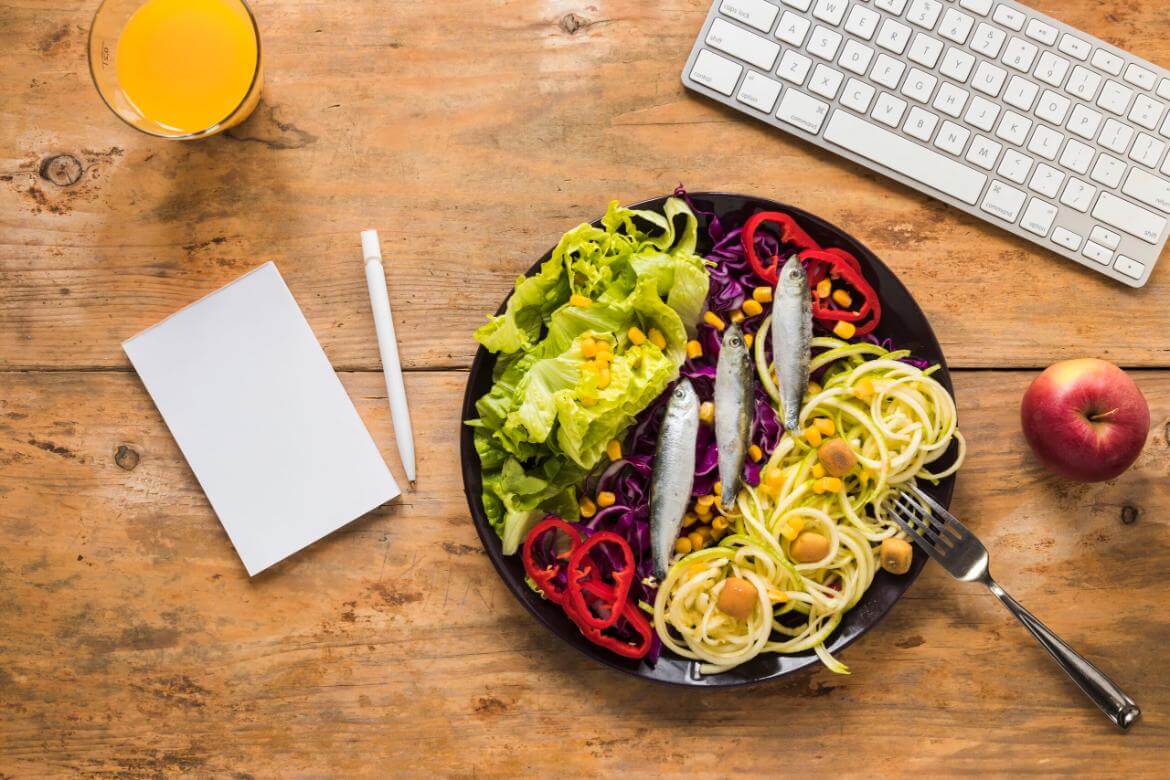
Dash Diet
The DASH diet (Dietary Approaches to Stop Hypertension) is a nutritional program developed to control high blood pressure. This diet aims to lower blood pressure by focusing on reducing salt intake and opting for foods rich in potassium, calcium, magnesium, and fiber. The DASH diet was developed by the National Institutes of Health (NIH).
Dash diet: How to apply it for a healthy life?
The DASH diet is an eating plan designed to control high blood pressure and improve overall health. There are some important points to consider when following the DASH diet:
- Reducing salt intake: It's important to limit your daily salt intake. Ideally, aim for less than 2,300 milligrams of sodium per day, or even as low as 1,500 milligrams in some cases for more effective control.
- Fruit and vegetable consumption: It's important to make fruits and vegetables a large part of your daily diet. Choose a variety of colorful fruits and vegetables. Foods rich in potassium, magnesium, and fiber should also be consumed frequently.
- Low-fat protein sources: Low-fat protein sources should be preferred. Sources such as chicken, fish, legumes, nuts, seeds, and lean meat should be prioritized.
- Low-fat milk and dairy products: Choose fat-free or low-fat milk and dairy products. This is important for supporting calcium intake.
- Whole grains: It's important to choose whole grains like whole grains, oats, brown rice, and whole wheat bread. Instead of refined grains, choose whole grains, which have higher nutritional value.
- Low-fat and low-sugar drinks: Choose drinks with low sugar content. Alcohol consumption should also be limited.
- Avoid processed foods: Processed and processed foods should be avoided. Pay attention to the amount of salt in canned foods.
- Balanced and varied diet: Care should be taken to consume adequate amounts from a variety of food groups. It's important to create a balanced diet that includes vegetables, fruits, protein, whole grains, and healthy fats.
Because each individual's nutritional needs are different, it's important to consider personal health, age, gender, and physical activity level when implementing the DASH diet. Consulting a dietitian is the best course of action, especially before implementing the DASH diet.
The importance of the DASH diet
The DASH diet (Dietary Approaches to Stop Hypertension) is an eating plan specifically designed to control high blood pressure and offers many important health benefits. Here's why the DASH diet is important:
- Blood pressure management: The DASH diet encourages a low salt intake while ensuring adequate intake of minerals such as potassium, calcium, and magnesium. This aims to lower blood pressure and may reduce the risk of hypertension.
- Improve heart health: The DASH diet, which includes low-fat, low-saturated fat, and low-cholesterol foods, supports heart health. Its high fiber content helps control cholesterol levels and may reduce the risk of cardiovascular disease.
- Sugar control: The DASH diet encourages reducing processed sugar content, which can minimize the risk of diabetes.
- Weight management: The DASH diet, which includes a balanced and healthy eating pattern, can help with weight management. Its emphasis on low-fat protein, whole grains, and vegetables can increase feelings of fullness and prevent overeating.
- Antioxidant and nutritional values: The DASH diet includes fruits, vegetables, and whole grains. These foods are rich in antioxidants, vitamins, and minerals. Antioxidants may reduce cellular damage and control inflammation.
- Dietary diversity: The DASH diet encourages adequate intake of a variety of food groups, allowing the body to benefit from a variety of nutrients.
- Low in salt and healthy fats: Limiting salt intake reduces the risk of hypertension, while opting for healthy fat sources supports heart health.
- Moderate alcohol consumption: The DASH diet limits alcohol consumption. If you do drink alcohol, it recommends moderating the amount.
The DASH diet includes fruits, vegetables, whole grains, low-fat dairy products, healthy oils, nuts, seeds, and legumes. However, because each individual's needs are different, it's important to consult with a healthcare professional before implementing the DASH diet. This will allow for a personalized nutrition plan.
Dash diet: For whom is it a suitable and healthy option?
The DASH diet is particularly recommended for individuals in the following groups:
- Those with high blood pressure: The DASH diet was specifically designed to help control blood pressure. Therefore, it can be an effective nutrition plan for individuals with high blood pressure.
- Those at risk of heart disease: For individuals at risk of heart disease, the DASH diet includes low-fat, low-cholesterol, and high-fiber foods. These features support heart health.
- Those at risk of diabetes: The DASH diet is low in sugar and includes healthy carbohydrate sources, which may help reduce the risk of diabetes.
- Those looking to manage their weight: The DASH diet encourages a balanced, healthy diet. Its high fiber and low-fat protein sources can help with weight management.
- Sodium intolerance: The DASH diet aims to lower blood pressure by limiting sodium (salt) intake. It may be a suitable nutrition plan for individuals with sodium intolerance.
- Those looking to improve their overall health: The DASH diet aims to improve overall health. It includes foods rich in antioxidants, vitamins, and minerals.
Before implementing the Dash diet, factors such as an individual's current health status, age, gender, and physical activity level should be considered. Because everyone's nutritional needs are different, it's important to consult with a healthcare professional or dietitian before implementing this diet. This will allow for a personalized nutrition plan to be developed.
Dash diet: What health problems is it good for?
The DASH diet may have a protective and healing effect against certain health problems. It is particularly beneficial for:
- High blood pressure (Hypertension): The DASH diet is specifically designed to control blood pressure and reduce the risk of high blood pressure. Its high potassium and low sodium content can lower blood pressure.
- Heart disease: The DASH diet includes low-fat, low-cholesterol foods, which support heart health. The healthy fats and fiber content can also create a heart-healthy eating plan.
- Type 2 diabetes: The DASH diet, with its low sugar content and healthy carbohydrate sources, may help reduce the risk of type 2 diabetes.
- Weight management and weight loss: The DASH diet promotes a balanced, healthy diet. Its high fiber and low-fat protein sources can help with weight management.
- Obesity : The DASH diet includes nutrients suitable for healthy weight management. It can help prevent obesity with its fiber-rich and low-calorie foods.
- Metabolic syndrome: The DASH diet is thought to be effective in reducing risk factors for metabolic syndrome, which includes high blood pressure, obesity, high blood sugar, and low HDL cholesterol.
- Stroke risk: The DASH diet may reduce the risk of stroke by lowering blood pressure. Healthy fats and antioxidants may also support brain health.
- Osteoporosis: The DASH diet includes minerals such as calcium and magnesium, which can play an important role in maintaining bone health.
The Dash diet can be an effective way to combat these health problems or reduce their risk. However, it should be implemented in consultation with a qualified healthcare professional or dietitian, taking into account the individual's health status, age, gender, and other individual factors. Because everyone's needs are different, a personalized nutrition plan may be more effective.
What foods should be avoided on the Dash diet?
The Dash diet focuses on overall healthy eating principles and aims to achieve these goals by limiting certain foods or consuming them in recommended amounts. While there are no strictly prohibited foods on the Dash diet, there are recommendations to limit or moderate certain foods. Food types to consider on the Dash diet include:
- High-salt foods: Consumption of high-salt products, such as processed foods, salty snacks, and instant soups, should be limited. Sodium recommendations on the Dash diet should be followed.
- High-sugar foods: Limit the amount of added sugar found in sugary drinks, desserts, and processed foods. Choose fruits that contain more natural sugar.
- High-fat and saturated-fat foods: Limit your intake of foods containing saturated fat, such as red meat, full-fat dairy products, and processed meats. Focus on healthy fat sources.
- High-cholesterol foods: Consumption of high-cholesterol foods should be limited. Pay particular attention to red meat and processed meat products.
- High-energy-density foods: The Dash diet should focus on foods with a low energy density and high nutritional value, such as fruits, vegetables, and whole grains. Consumption of high-sugar snacks and fast food should be limited.
The Dash diet offers a healthy eating pattern by limiting these foods. However, each individual's nutritional needs are different, so it's important to adapt the Dash diet to your personal health and needs. It's also recommended to consult with a healthcare professional or dietitian before implementing this diet.
Points to consider and recommendations for the Dash diet
These factors are important to consider when implementing the Dash diet to develop healthy eating habits and maximize the diet's effects. Here's some more detail about these factors:
- Don't neglect your fluid intake: Those following the Dash diet should be careful to drink enough water daily. Water is essential for bodily functions and forms the foundation of a healthy lifestyle.
- Consuming fresh and natural foods: Focusing on fresh and natural foods rather than processed foods can increase the positive health effects of the diet. It's important to choose foods like fruits, vegetables, and whole grains.
- Controlling salt intake: The Dash diet aims to help control blood pressure by limiting sodium (salt) intake. Avoiding processed foods and avoiding added salt is important in this regard.
- Consume low-fat dairy products: Low-fat dairy products are healthy fat sources that fit into the Dash diet's recommended eating plan. These foods are important for meeting calcium needs.
- Consuming healthy fats: Adding healthy fats like olive oil, avocado, and fish to your diet can help you get the essential fats needed for the body.
- Pay attention to portion sizes: Portion control is important for both weight management and healthy eating. Eating foods in moderation can prevent unnecessary calorie intake.
- Don't neglect physical activity: The Dash diet promotes a healthy lifestyle. Regular physical activity can contribute to your overall health and support weight control.
- Maintaining a balanced and adequate diet: Adequate intake from all food groups is important to meet the body's nutritional needs. A balanced diet is a key factor in a healthy life.
The Dash diet can be tailored to individual needs, so consulting with a dietitian or healthcare professional is important to create a plan that works best for you.
What is the difference between the Dash diet and the Mediterranean diet?
The Dash diet and the Mediterranean diet are two healthy eating patterns based on traditional eating habits from different regions. Some key differences between these two diets include:
Purpose:
- The Dash diet aims to control high blood pressure. Specifically, reducing sodium intake and increasing mineral content are key to lowering blood pressure.
- The Mediterranean diet: Aims to improve overall health. It supports heart health, reduces inflammation, and aims to lower the risk of chronic disease.
Nutritional highlights:
- The Dash diet: Emphasizes mineral-rich foods, including potassium, calcium, and magnesium, while also focusing on low sodium content.
- Mediterranean diet: Emphasizes a diet rich in olive oil, fish, legumes, fruits, vegetables, whole grains, and nuts. Antioxidants and healthy fats are prominent.
Fat sources:
- Dash diet: Fat consumption is addressed more generally, but low-fat milk and dairy products are recommended.
- Mediterranean diet: Healthy fats like olive oil are emphasized. Foods containing omega-3 fatty acids, such as fish, nuts, and seeds, are also important.
Protein sources:
- Dash diet: Protein sources generally come from low-fat proteins such as chicken, fish, legumes, and low-fat dairy products.
- Mediterranean diet: Include consumption of fish, seafood, legumes and low-fat meat.
Recommended foods:
- The Dash diet recommends foods such as fruits, vegetables, whole grains, low-fat dairy products, legumes, and nuts.
- Mediterranean diet: Recommends olive oil, fish, vegetables, fruits, legumes and whole grains.
Regional basis:
- The Dash diet is not based on traditional eating habits of a specific region. It was developed primarily in the United States.
- Mediterranean diet: Based on traditional eating habits of the Mediterranean region.
Both diets focus on healthy eating and aim to reduce the risk of chronic disease. However, it's important to determine which diet is most appropriate for an individual based on their personal health goals and needs. It may be helpful to consult with a healthcare professional or dietitian before implementing one.
