


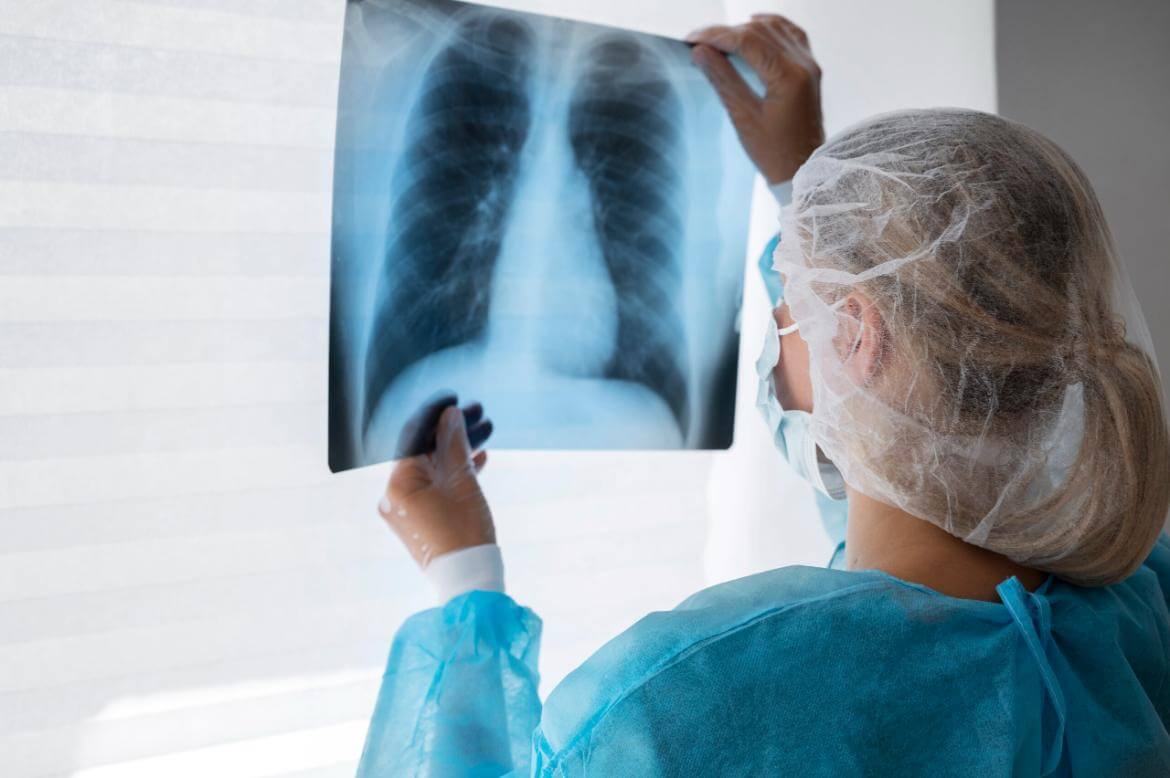
Cystic Fibrosis
Cystic fibrosis (CF) is a genetic disorder that primarily affects the lungs, pancreas, liver, and intestines. Cystic fibrosis is characterized by fluids produced by glands in various organs of the body that are thicker and stickier than normal. This condition disrupts the normal circulation of secretions such as mucus, sweat, and digestive enzymes throughout the body.
What Causes Cystic Fibrosis?
The primary cause of CF is mutations in the gene that codes for a protein called the cystic fibrosis transmembrane regulator (CFTR). Mutations in the CFTR gene disrupt the normal function of this protein, which is needed to regulate salt and water balance in the body. This causes the fluids produced in the body to become thicker and more viscous than normal.
Cystic Fibrosis Symptoms
Because cystic fibrosis is a disease that affects various organs, symptoms can vary depending on the organ involved. However, below are some common symptoms of cystic fibrosis:
Respiratory symptoms:
- Chronic cough
- Cough with diarrhea (especially in the morning)
- Shortness of breath or difficulty breathing
- Recurrent chest infections (such as bronchitis or pneumonia)
- Progressive respiratory failure
- Associated sinusitis or polyps
Digestive system symptoms:
- Feeding problems and inadequate weight gain
- Abdominal bloating or gas
- Loss of appetite or malnutrition
- Pancreatitis (inflammation of the pancreas)
- Oily stools or fat absorption problems
- Diabetes (due to problems with insulin production by the pancreas)
Other symptoms:
- Salty skin or high salt concentration in sweat
- Electrolyte imbalances
- Inadequate growth and development
- Congenitally missing or blocked sperm in men (may cause infertility)
Cystic fibrosis symptoms can vary from person to person and can change over time. Furthermore, some people may have milder symptoms while others may have more severe ones. Early diagnosis and treatment are important to alleviate symptoms and reduce complications. If cystic fibrosis is suspected, it's important to consult a doctor and undergo the necessary tests.
How Is Cystic Fibrosis Diagnosed?
Diagnosis of cystic fibrosis (CF) is made through a series of tests and evaluations. The following steps are generally followed to diagnose CF:
- Physical examination: A doctor will evaluate the patient's symptoms and medical history. Signs and symptoms of CF can be observed during a physical examination. These include examining the respiratory system, digestive system, and skin manifestations.
- Sweat test: A key step in diagnosing cystic fibrosis is the pilocarpine iontoporesis test, also known as the sweat test. This test examines a sweat sample collected from the sweat glands. In CF patients, sweat contains higher-than-normal salt (sodium and chloride) concentrations. This test is frequently used to confirm a CF diagnosis.
- Genetic testing: Because cystic fibrosis is a genetic disease, genetic testing is important for diagnosing CF. DNA analysis is performed to identify mutations in the CFTR gene. Genetic testing can also be used to assess carrier status and understand how the disease is passed down through families.
- Pulmonary function tests: Pulmonary function tests may be performed to assess the effects on the respiratory system. These tests assess lung function and help detect signs of respiratory distress.
- Imaging tests: Imaging tests may be used to detect blockages or damage to the lungs or other affected organs. These tests include a chest X-ray, a computed tomography (CT) scan, and an ultrasound.
- Fine-needle biopsy: In some cases, a fine-needle biopsy may be performed on affected organs, such as the liver or pancreas. This is used to evaluate the structure of the organs and the effects of CF.
Diagnosing CF is a process that requires multiple tests and clinical evaluations. Based on the results of these tests, a specialist physician can confirm or rule out the diagnosis of CF. If a diagnosis of CF is made, appropriate treatment and follow-up plans are made.

How is Cystic Fibrosis Treated?
Cystic fibrosis (CF) treatment requires an individualized approach to manage symptoms, control infections, support nutrition, and improve quality of life. CF treatment is typically managed by a multidisciplinary team, and the following treatment modalities may be applied:
Respiratory therapy:
- Breathing exercises: Special breathing exercises are performed to strengthen the respiratory muscles and clear mucus from the lungs.
- Airway clearance: Techniques such as postural drainage, percussion, and shivering are used for daily mucus clearance.
- Inhaler therapy: Inhalers, such as bronchodilators and mucolytic medications, help open the airways and thin the mucus.
- Treating respiratory infections: Antibiotics are used to treat lung infections. In some cases, long-term antibiotic treatment may be necessary to control chronic infections.
Pancreas treatment:
- Digestive enzyme supplements: In cases where the pancreas does not produce sufficient amounts of digestive enzymes, digestive enzymes are supplemented.
- Nutritional support: It's important for people with CF to maintain adequate nutrition. Dietitians can help meet nutritional needs by creating a high-calorie, nutritious diet plan.
Drug therapy:
- Mucolytic medications: Used to thin mucus in the lungs.
- Anti-inflammatory medications: Help reduce inflammation in the lungs.
- Pain relievers and fever reducers: Help manage symptoms.
Physical exercise:
- Regular physical exercise supports respiratory function and overall health. Physical therapists design appropriate exercise programs and help patients increase their physical activity levels.
Psychosocial support:
Psychosocial support is important for people with CF and their families. Psychologists, social workers, or support groups can help meet emotional and psychological needs.
Surgical interventions:
In some cases, surgical options such as lung transplant, pancreas transplant, or other organ transplants may be considered.
CF treatment is individualized based on the severity of symptoms, the patient's age, the type of genetic mutation, and other factors. CF treatment is lifelong and requires regular checkups, monitoring, and treatment adjustments. Early treatment is crucial for preventing complications and improving quality of life. Therefore, it is important for people diagnosed with CF to receive treatment under the management of a specialist team at a cystic fibrosis center.
At What Age Does Cystic Fibrosis Occur?
Cystic fibrosis (CF) usually begins to show symptoms at birth. However, symptoms and the age at which they are diagnosed can vary from person to person. Some babies may experience symptoms soon after birth, or even prenatally, while others may develop symptoms in childhood or early adulthood.
Early symptoms of CF are generally related to the respiratory and digestive systems. Symptoms such as chronic cough, frequent chest infections, shortness of breath, poor weight gain, feeding problems, and oily stools may appear in childhood. However, in some cases, symptoms may be milder, and diagnosis may be delayed until later in life.
CF is typically diagnosed in childhood or young adulthood. However, in some cases, diagnosis can be made in adulthood, and the diagnosis may be delayed, especially when symptoms are milder or associated with other health problems.
What is Cystic Fibrosis Deficiency?
Cystic fibrosis (CF) is a hereditary disease caused by the dysfunction of a protein channel called the cystic fibrosis transmembrane regulator (CFTR). CF affects secretion production in various glands throughout the body, particularly in the lungs, pancreas, liver, and intestines. This disease is caused by a genetic mutation that prevents the CFTR channel from functioning normally.
Normally, CFTR controls intracellular salt balance by regulating the passage of chloride ions across the cell membrane. In individuals with cystic fibrosis, the CFTR channel is missing or dysfunctional. This affects the structure and density of the fluid secreted by the cells. As a result, the secretions become thicker and more concentrated, potentially leading to blockages and infections.
What Happens If Cystic Fibrosis Is Left Untreated?
If cystic fibrosis (CF) is left untreated, its symptoms and complications can worsen over time. This can lead to progressive organ damage and a decreased quality of life. A dysfunctional CFTR channel can lead to increased secretions and blockages in the body. This can lead to the following adverse effects:
- Respiratory problems: CF causes thick, sticky mucus to build up in the lungs. This can lead to blocked airways and increased susceptibility to chronic respiratory infections. Over time, recurrent infections and inflammation in the lungs can lead to a progressive decline in lung function and respiratory failure.
- Digestive issues: CF can affect the pancreas and cause enzyme deficiencies. This can negatively impact food digestion and lead to poor nutrient absorption. This can lead to malnutrition, weight loss, vitamin deficiencies, and growth retardation.
- Liver problems: CF can cause thickening and blockage of the bile ducts, which can affect liver function. Complications such as liver failure, jaundice, and portal hypertension may develop.
- Reproductive problems: In men, CF can cause congenital bilateral blockage of the vas deferens (the sperm-carrying ducts). This can lead to fertility problems. In women, reproductive problems such as a reduced uterine size and decreased mucus quality can occur.
Therefore, it is important for individuals with cystic fibrosis to be diagnosed early and treated with a multidisciplinary approach. Appropriate treatment and care can control symptoms, prevent or delay complications, and increase life expectancy.
