



Cough Attack
Coughing is a reflex action that can be caused by many different things, including respiratory infections, allergies, colds, flu, and pneumonia. Coughing is a defense mechanism designed to remove irritants or secretions from the respiratory tract.
Coughing is a reflex that usually occurs due to irritation or infection in the airways. When the airways become irritated or infected, signals from nerve endings are transmitted to the brain, which interprets these signals and initiates the cough reflex.
Coughing is an action taken to remove excess mucus or foreign matter accumulated in the lungs from the respiratory tract.
A cough can present in two different ways: dry or productive. A dry cough is one that doesn't produce phlegm and is usually caused by irritation in the airways. A productive cough, on the other hand, usually occurs when mucus accumulates in the airways is released.
If you have a prolonged or severe cough, if you have other symptoms, or if your cough causes shortness of breath or severe pain, it is very important to consult a healthcare professional.
What is a Cough Attack?
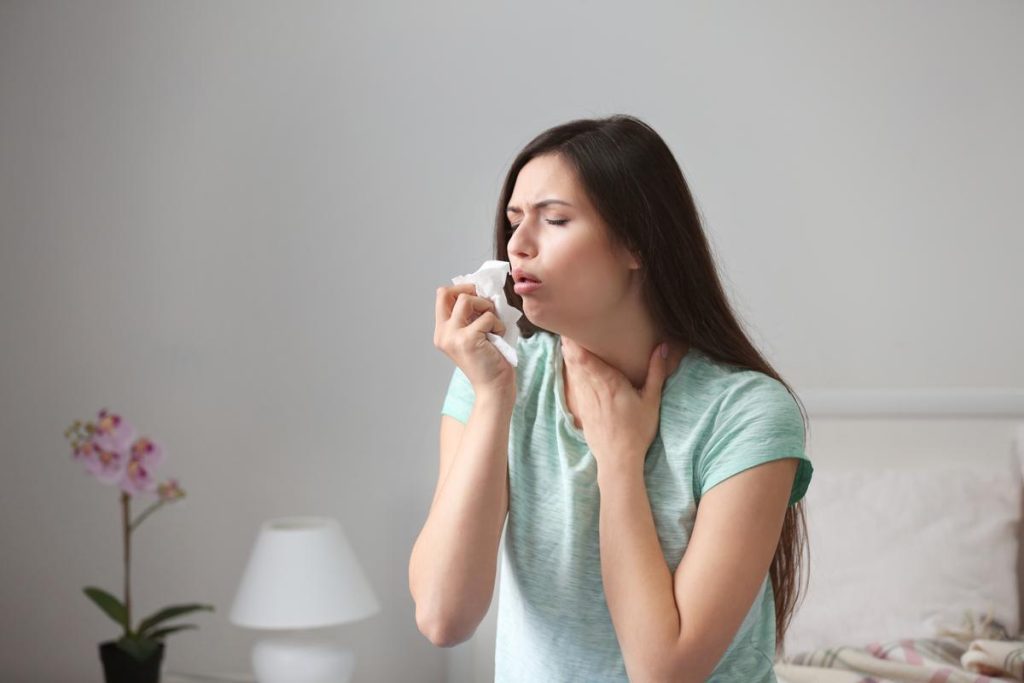
A coughing fit is a severe attack that occurs suddenly and intensely. During these attacks, the cough recurs frequently, continuously, and uncontrollably. Sudden coughing fits can often last for a long time and can negatively impact a person's normal life.
Cough attacks can be caused by various reasons, including:
- Asthma: Asthma is a chronic disease caused by inflammation of the airways. Coughing attacks may occur during asthma attacks.
- Chronic Obstructive Pulmonary Disease (COPD): COPD is a progressive lung disease often associated with smoking. People with COPD may experience frequent coughing fits and shortness of breath.
- Allergic Reactions: Allergic reactions occur when the immune system overreacts to exposure to allergens. Allergic reactions can cause coughing fits.
- Reflux Disease: Reflux disease, which occurs when acids from the stomach leak back into the esophagus, can cause coughing attacks.
- Respiratory Tract Infections: Respiratory tract infections such as bronchitis and pneumonia can cause coughing fits.
Is a Cough Attack a Sign of Infection?
A coughing fit can be a sign of an infection, but not every coughing fit indicates an infection. It's the body's natural defense mechanism to clear the airways and remove foreign matter. Infections can be triggered by viruses, bacteria, or other microorganisms that affect the respiratory tract.
Coughing fits are often a symptom of upper respiratory tract infections. Conditions such as the common cold, flu, bronchitis, and sinusitis can cause a cough. However, a coughing fit alone is not an indication of infection. Other factors, such as the duration and severity of the cough, should also be taken into consideration.
If you have symptoms such as a fever, sore throat, runny nose, stuffy nose, chest pain, or shortness of breath, along with a cough, it could be a sign of an infection. Additionally, an infection can often cause a general feeling of being unwell, such as fatigue, headache, and muscle and joint pain.
What is the Main Cause of Cough Attacks?
Several factors must be taken into account to diagnose the root cause of a coughing fit.
- Assessing symptoms: It's important to share information with your doctor, such as the onset of the cough, its severity, frequency, and any accompanying symptoms. The cough's characteristics (dry, productive, obstructive, etc.) and other symptoms (such as fever, runny nose, shortness of breath) are also taken into account.
- Physical exam: Your doctor may examine your chest and throat, along with listening to your lungs and airways with a stethoscope. This can help detect signs of a potential infection or other breathing problems.
- Imaging tests : In some cases, imaging or breathing tests, such as X-rays, CT scans, or lung function tests, may be done to determine the cause of a coughing fit. These tests can help detect lung infections, pneumonia, bronchitis, asthma, or other respiratory problems.
- Lab tests: Lab tests, such as blood tests or sputum sample analysis, can also help determine the cause of a coughing fit. These tests can provide information to identify the type of infection or other underlying health problems.
How to Prevent Cough Attacks?
- Hand hygiene: You can reduce the risk of infection by frequently washing your hands with soap and water or using alcohol-based hand rub. It's especially important to clean your hands before taking public transportation, after being in crowded places, or after contact with sick people.
- Avoid infections: To reduce the risk of getting an infection, stay away from sick people, keep at least 1-2 meters away from people who are coughing or sneezing, and avoid close contact.
- Boost your immune system: Healthy lifestyle habits like a balanced diet, getting enough sleep, regular exercise, and managing stress can strengthen your immune system. A strong immune system makes you more resistant to infections.
- Avoid secondhand smoke: Smoking or exposure to secondhand smoke can cause coughing fits and respiratory infections. It's important to quit smoking or avoid places where people smoke.
- Good ventilation: Providing good ventilation in your home or workplace can reduce the spread of airborne germs. You can increase fresh airflow by opening windows.
- Do not share personal items: Especially during infection periods, not sharing personal items (towels, cups, toothbrushes, etc.) with others reduces the risk of infection.
- Mask use: Wearing a mask, especially during epidemic periods or in crowded places, can reduce the spread of cough attacks and the risk of infection.
- Regular vaccinations: Getting your vaccinations is especially important for protecting against respiratory infections. Certain vaccines, such as the flu shot, can help protect you against infections.
These measures can help prevent coughing fits, but they may not be possible to prevent completely.
What Causes Nighttime Cough Attacks?
- Postnasal drip: Postnasal drip is the accumulation of mucus from the nose and sinuses in the throat. This is particularly common with allergies, colds, upper respiratory infections like sinusitis, or sinus problems. This mucus can accumulate in the throat and cause coughing fits during sleep.
- Reflux: Gastroesophageal reflux (GERD) is a condition in which stomach acid flows back into the esophagus. This can be exacerbated by stomach acid refluxing into the esophagus at night. The acid can irritate the esophagus and cause coughing.
- Asthma: Asthma is a respiratory disease characterized by narrowing and inflammation of the airways. Nighttime asthma symptoms occur when the airways become narrower and coughing becomes more frequent. Therefore, people with asthma often experience coughing fits at night.
- Chronic bronchitis: Chronic bronchitis is a respiratory illness characterized by a prolonged cough and phlegm production. An increase in coughing fits at night may indicate increased airway irritation and phlegm buildup.
- Smoking: Smoking or exposure to secondhand smoke can irritate the airways and cause coughing fits. Nighttime coughing fits may increase as the airways become more sensitive during sleep.
- Sleep apnea: Sleep apnea is a condition characterized by repeated pauses in breathing during sleep. This can block the airway and lead to coughing fits during sleep.
What is Good for Nighttime Cough Attacks?
- Use a humidifier: You can use a humidifier to moisten the air in your bedroom. This can help relieve coughing fits by keeping your airways moist.
- Elevate your head: Propping your head up with a high pillow or adding an extra pillow to your bedside table can reduce mucus from draining into your throat and ease coughing fits.
- Honey or cough syrups: Natural honey is known to have a soothing effect on coughs. Consuming a teaspoon of honey or using cough syrups available from pharmacies can help reduce coughs. However, it's important to follow the instructions when using cough syrups.
- Relief treatment: You can gargle with salt water to relieve the irritation caused by postnasal drip that causes nighttime coughing fits. Additionally, using a saltwater nasal spray can relieve nasal congestion and ease coughs.
- Warm drinks: Warm drinks such as herbal teas, sage, chamomile tea, or honey mixed with hot water can soothe the throat and relieve coughing fits.
- Relaxation techniques: Relaxation techniques that can help reduce coughing fits include deep breathing, meditation, taking a hot shower, or creating a calming environment.
- Treating the underlying cause: If your nighttime coughing spells are caused by a specific health issue (e.g., asthma, reflux, etc.), it's important to follow your doctor's recommended treatment methods. For example, asthma inhalers or reflux medications may be used.
