


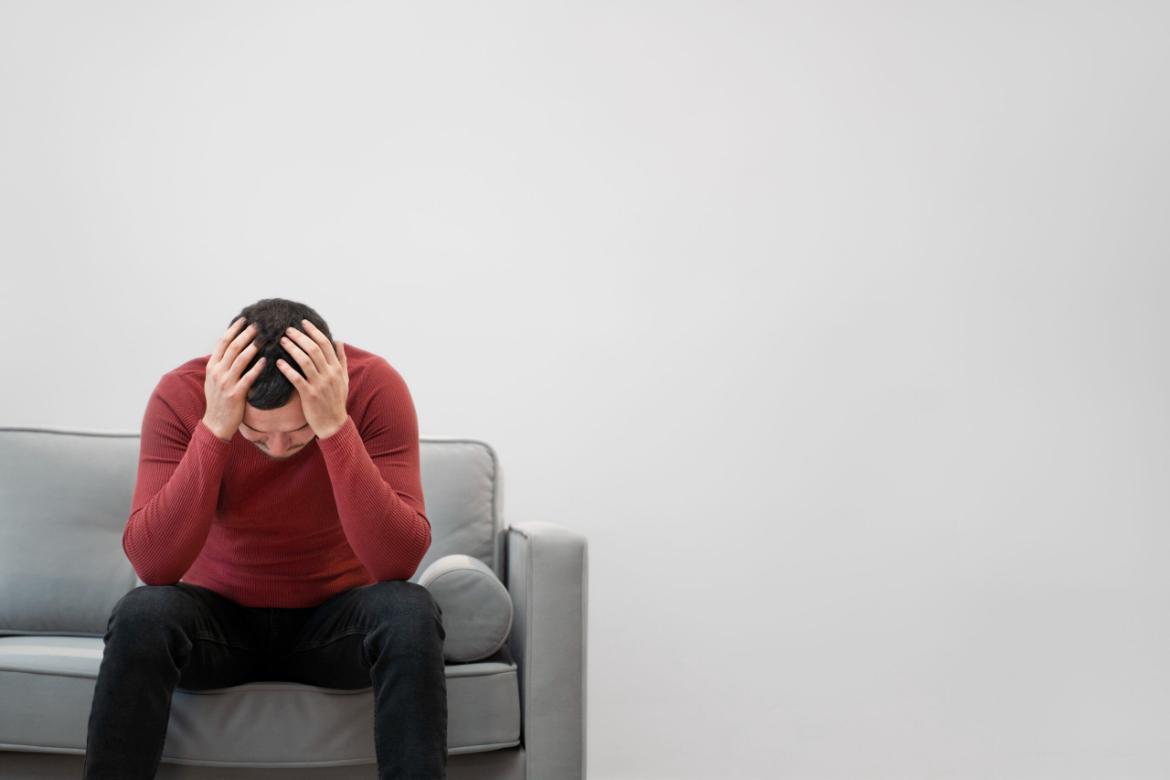
Coping with Post-Traumatic Stress Disorder: 10 Tips
Post-Traumatic Stress Disorder (PTSD) is considered a mental health condition triggered by a terrifying event. People with PTSD often experience symptoms such as flashbacks, nightmares, and intense anxiety. They may also experience uncontrollable thoughts about the event. Symptoms can vary over time and from person to person. If disturbed feelings and thoughts persist for more than a month, it's important to see a professional. Getting treatment as soon as possible can help prevent PTSD symptoms from worsening.
Coping with Challenging Situations: Tackling Challenges Beyond Borders
Many of us encounter situations throughout our lives that make us feel sad, stressed, or anxious. However, most of these situations don't truly qualify as trauma. Psychological trauma is associated with situations that are experienced at a level of intensity and intensity that exceeds what a person can handle, that pushes them beyond their limits, and that creates feelings of fear and helplessness. Such situations are beyond the normal range of a person's experience.
Post-Traumatic Stress Disorder (PTSD) is a disorder that occurs after a severe psychological trauma and manifests itself with prominent symptoms such as reliving the traumatic event, avoidance of stimuli that remind of the event, and increased arousal.
It Shows Different Symptoms in Different People
Post-traumatic stress disorder (PTSD) is called "acute" when symptoms last less than three months and "chronic" when they last longer. A key clinical feature is the type of stress disorder that can appear more than six months after the traumatic experience; these conditions are called "delayed onset." The nature and severity of the trauma, previous traumatic events, and post-traumatic conditions are important determinants of the onset of PTSD.
Situations that cause PTSD
- Being exposed to war
- Accident
- Childhood physical abuse
- Sexual violence
- Physical violence
- Many life-threatening and traumatic events such as fire, natural disaster, robbery, plane crash, torture, kidnapping, life-threatening medical diagnosis, terrorist attack
Individual predisposing factors for PTSD
- Being single, widowed or divorced
- Low socioeconomic status
- Low level of education
- Negative childhood life events (such as sexual abuse, kidnapping history)
- Female gender
- Inadequate social support
- Personality traits (borderline, paranoid, antisocial or dependent personality traits)
Exaggeration in Reactions or Emotions Develops
Individuals who develop Post-Traumatic Stress Disorder (PTSD) experience extreme anxiety and fear, may be hypersensitive to environmental stimuli, and may react with startle to even the slightest stimuli. Symptoms such as decreased emotional involvement and apathy in relationships may also occur. Individuals experiencing apathy, unresponsiveness, anhedonia, irritability, and angry outbursts may seek medical attention, either through their relatives or on their own initiative, from a mental health professional. Diagnosis is usually made by a psychiatrist. Clinicians may use various assessment tools, such as the Post-Traumatic Stress Disorder Scale (CAPS), to establish a diagnosis, assess symptoms, and monitor treatment effectiveness.
The Importance of Psychotherapy in Post-Traumatic Stress Disorder
Both medications and psychological treatments have been shown to be effective in treating PTSD.
Antidepressant medications can help relieve the symptoms of PTSD. They are especially recommended when they occur alongside symptoms of depression.
Psychotherapies aim to replace a person's false beliefs with healthy thoughts and reduce their fears by confronting situations they avoid due to fear.
Things people with PTSD should pay attention to:
- Accepting their reactions as normal: It is important to accept that the event is beyond your control and to understand that such situations cannot be prepared for.
- Making time for rest: It is important to make time for your own needs and rest.
- Exercise: One of the best ways to reduce stress is to exercise.
- Avoiding alcohol and substance use: They may provide short-term relief, but they can later increase the effects of the trauma.
- Returning to work and duty: If there is no organic obstacle, it is important to return to work and duty and return to routines as soon as possible.
- Getting information: Learning about PTSD and educating yourself about it can be helpful.
- Getting support: It's important to stay connected to people who understand and support you, and to seek professional support when needed. Sharing your concerns and expressing your feelings can make it easier to get support.
Coping with Post-Traumatic Stress Disorder: 10 Tips
- Seek support: When you feel lonely or want to share your feelings, reach out to a trusted friend or family member. Express your feelings openly by expressing your concerns.
- Seek professional help: Seeking help from a psychologist or therapist can help you cope with PTSD. Therapy can help you develop emotional healing and effective coping skills.
- Journaling: Writing down your feelings, thoughts, and experiences in a journal can encourage emotional expression and support your mental health.
- Healthy lifestyle: Eat a balanced diet, exercise regularly, and make sure you get enough sleep. A healthy lifestyle can improve your mood and overall well-being.
- Relaxation techniques: You can reduce stress by trying relaxation techniques such as deep breathing, meditation, or yoga.
- Make time for yourself: Make time for activities you enjoy. Pursuing hobbies or spending time in nature can provide mental relief.
- Recognize your emotions: Knowing yourself and identifying your emotions can increase your emotional awareness and contribute to emotional healing.
- Set your boundaries: Respect yourself and your emotional needs. Learn to say "no" when you need to and maintain your personal boundaries.
- Create a routine: Creating daily routines can help you feel stable and secure. Routines can help you cope with uncertainty in your life.
- Positive support systems: Build relationships with positive and supportive people. Healthy, positive relationships can provide emotional support and promote healing.
