


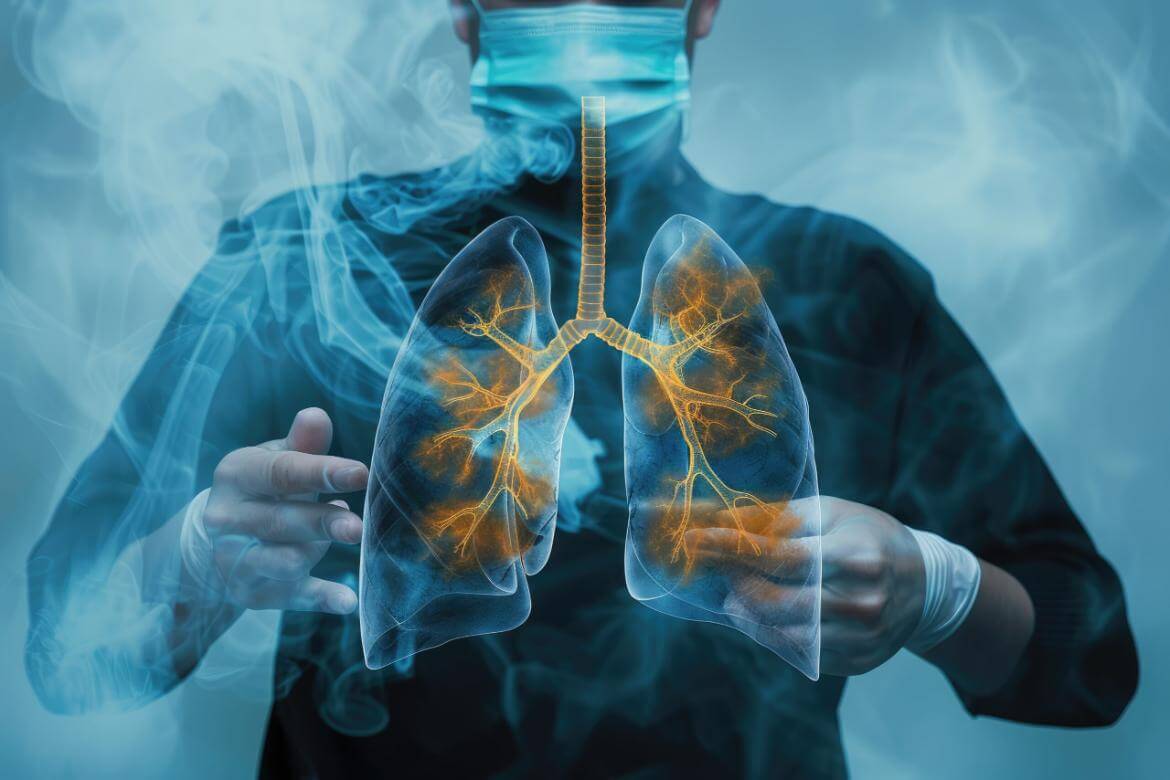
COPD (Chronic obstructive pulmonary disease)
COPD (Chronic Obstructive Pulmonary Disease) is a disease that affects the lungs and makes breathing difficult. COPD often develops as a result of long-term exposure to respiratory irritations, such as smoking.
COPD is caused by two main conditions: chronic bronchitis and emphysema, which cause the airways in the lungs to narrow and become blocked. Chronic bronchitis causes inflammation of the airways and mucus (phlegm) buildup, while emphysema occurs when the air sacs (alveoli) in the lungs become damaged. These conditions reduce airflow in the lungs, making it difficult to breathe.
Symptoms of COPD include cough, sputum production, shortness of breath, chest tightness, wheezing and fatigue.
Treatment options include quitting smoking, medications, oxygen therapy, breathing exercises, and ventilators. Early diagnosis and treatment can help control COPD and slow its progression.
What are COPD Risk Factors?
There are many risk factors for developing COPD. The most common risk factor is cigarette smoking. However, nonsmokers can also develop COPD. Other risk factors for COPD include:
- Environmental factors: Environmental factors such as air pollution, industrial toxins, and fuels burned in the home can increase the risk of developing COPD.
- Genetic factors: A family history of COPD may increase the risk of developing the disease.
- Occupational factors: Exposure to respiratory irritants in some occupations may increase the risk of developing COPD.
- Age: Aging increases the risk of developing COPD.
- Asthma: People with a history of asthma have a higher risk of developing COPD.
- Low birth weight: Low birth weight can increase the risk of developing COPD.
- Infections: Some infections, especially those experienced in childhood, can increase the risk of developing COPD.
- Gender: Women have a higher risk of developing COPD than men.
What are the symptoms of COPD?
- Cough: A long, persistent cough can be an early sign of COPD.
- Phlegm: Coughing up phlegm is one of the symptoms of COPD.
- Shortness of breath: One of the most common symptoms of COPD. Even simple activities can cause shortness of breath.
- Chest tightness: Chest tightness and wheezing are symptoms of COPD.
- Fatigue: People with COPD often feel tired.
- Respiratory tract infections: Respiratory tract infections are a frequently recurring symptom of COPD.
- Bad breath: Bad breath is a common symptom in COPD patients.
What are the causes of COPD (Chronic Obstructive Pulmonary Disease)?
COPD (Chronic Obstructive Pulmonary Disease) is a chronic disease characterized by restricted airflow in the lungs. The main causes of COPD include smoking, exposure to air pollution, chemical fumes, dust, and other airway irritants. More specifically, the main causes of COPD are:
- Smoking: Smoking is the most significant factor increasing the risk of developing COPD. Cigarette smoke irritates the lungs, causing chronic inflammation and narrowing of the airways.
- Air pollution: Air pollution, especially exposure to indoor combustion sources, can increase the risk of developing COPD. Air pollution can cause airway irritation from breathing in dust, smoke, chemicals, and other airway irritants.
- Occupational factors: Workers in certain occupations are at higher risk of developing COPD because of exposure to dust, chemicals, or other airway irritants. These occupations include farmers, miners, construction workers, and some industrial occupations.
- Genetic factors: Some types of COPD may develop due to genetic factors. People with alpha-1 antitrypsin deficiency, in particular, are at higher risk of developing COPD.
- Older age: Older age can increase the risk of developing COPD.
What are the Stages of COPD?
The disease is classified into four different stages, depending on the severity of symptoms: mild, moderate, severe and very severe COPD:
Mild COPD (Stage 1): This is the first stage of COPD and usually has mild symptoms. Pulmonary function tests (PFTs) show airflow limitation, but airway patency is normal or mildly reduced. The patient may experience respiratory symptoms only during exercise or infections.
Moderate COPD (Stage 2): In this stage, patients experience airflow limitation and decreased airway patency. Respiratory symptoms are more pronounced, and they may experience shortness of breath during daily activities. Symptoms may worsen with triggers such as exercise, infection, or air pollution.
Severe COPD (Stage 3 ): Moderate Stage: In this stage, patients experience airflow limitation and decreased airway patency. Respiratory symptoms are more pronounced, and they may experience shortness of breath during daily activities. Symptoms may worsen with triggering factors such as exercise, infection, or air pollution.
Very severe COPD (Stage 4): In Stage 4, breathing becomes extremely difficult, the individual struggles to even walk indoors, and various organ problems occur due to insufficient oxygen delivery to the tissues. Heart failure may develop due to progressive lung disease, leaving the patient unable to survive without oxygen support.
What are the methods of preventing COPD?
- Not smoking or quitting smoking
- Avoiding air pollution
- Avoiding respiratory infections
- Adopting a healthy lifestyle
- Stress should be avoided
What are the COPD Treatment Methods?
Treatment for COPD (Chronic Obstructive Pulmonary Disease) can vary depending on the severity of the disease and its symptoms. The following treatments are some of the most commonly used treatments for COPD management:
Medication: Medications used to treat COPD, such as bronchodilators and corticosteroids, are used to widen the bronchi and reduce inflammation.
- Oxygen therapy: In advanced cases of COPD, oxygen therapy is used because the patient is not getting enough oxygen. This means providing oxygen to increase the oxygen levels in the patient's blood.
- Respiratory therapy: Respiratory therapy helps improve a patient's breathing patterns and reduce symptoms such as shortness of breath.
- Physical activity: Exercise is an effective way to relieve COPD symptoms. Physical activity can increase lung capacity and help strengthen muscles.
- Surgery: In advanced stages of COPD, surgery is sometimes an option. For example, a bronchoscopy to open the airways may be necessary, or a lung transplant may be necessary.
How to Understand the Onset of COPD?
- Shortness of breath: Shortness of breath is the most common symptom of COPD. Initially, shortness of breath may only occur during strenuous exercise or physical activity, but as the disease progresses, shortness of breath can occur even with light exercise or at rest.
- Cough: COPD can be characterized by a chronic cough. The cough may be mild at the beginning of the disease and may become more severe over time.
- Sputum: In patients with COPD, sputum production may increase and the sputum may be dark in color.
- Chest tightness: COPD may come with chest tightness or wheezing sounds.
- Fatigue: COPD may also present with a general feeling of tiredness and weakness.
These symptoms are possible signs of the onset of COPD. However, these symptoms can also have other causes, so it's important to see a doctor to diagnose COPD.
