


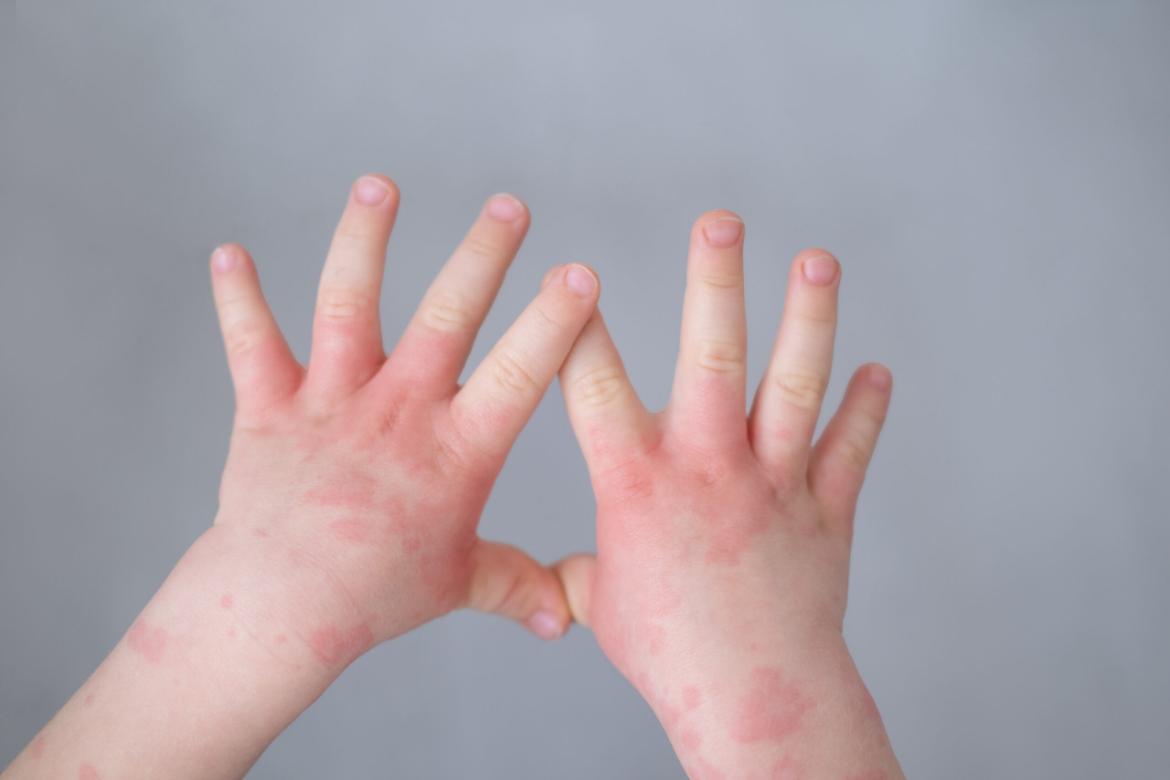
Contact Dermatitis
Contact dermatitis is a type of eczema that develops due to skin inflammation and irritation resulting from contact with a specific substance. The substance may be allergenic or irritating. This contact can cause symptoms such as redness, itching, blistering, and sometimes blisters.
Contact dermatitis occurs in two main types, depending on whether the substance in contact with the skin is allergenic or irritating:
Allergic contact dermatitis
Allergic contact dermatitis is a skin reaction that occurs as a result of the body's hypersensitivity to a specific substance. In this type of dermatitis, the skin's immune system overreacts to certain substances. This condition doesn't occur immediately upon initial exposure to the allergen; the immune system recognizes the allergen and then overreacts upon subsequent contact, causing allergic contact dermatitis. Substances that cause allergic contact dermatitis can include:
- Nickel-containing substances: Can be found in objects such as jewelry, hair clips, piercings, and coins.
- Cosmetics: Chemicals found in products such as lotions, creams, hair dyes, nail polishes, and make-up materials.
- Chemical odors: Chemical odors such as perfumes, home-car odors, acetone, and paint.
- Cleaning products: Chemicals in cleaning products such as soaps, shampoos, face washes, dishwashing liquids, laundry detergents, and bleach.
- Some plants: Plants such as mango, nettle, sunflower, daffodil, tulip, primrose, poison ivy, poison oak, poison sumac.
- Strong adhesives and rubber products.
- Home textile products and leather fabrics.
Irritant contact dermatitis
Irritant contact dermatitis is a non-allergic skin reaction. This type of dermatitis results from irritation caused by substances that come into contact with the skin, and the immune system fails to respond. Irritant contact dermatitis is one of the most common types of contact dermatitis and typically causes damage to the outer layer of the skin, potentially sensitizing the skin.
Substances that cause irritant contact dermatitis may include:
- Hard, calcareous or chlorinated water: Can dry and irritate the skin, especially with prolonged contact.
- Acidic and alkaline liquids: Substances containing strong acids or alkalis, such as chemical cleaners, can damage the skin.
- Chemicals such as descalers and drain openers: These types of chemicals can cause skin irritation.
- Antibacterial and antiseptic solutions: They can irritate the skin, especially if used intensively.
- Disinfectant cleaners: Frequently used disinfectants can cause skin sensitization.
- Dust, soil or cement: These substances can be irritating when they come into contact with the skin.
- Soaps and detergents: Some soaps and detergents can cause skin irritation due to the chemicals they contain.
- Machine oils, fertilizers and pesticides: These substances can cause irritation if they come into contact with the skin.
- Plastic or latex gloves: Some people may be sensitive to these types of gloves and may develop dermatitis from contact.
Once dermatitis is diagnosed, it's important to seek medical advice from a specialist. Your doctor can recommend treatments and skin care appropriate for your skin condition. They can also help you manage your dermatitis by explaining important daily routines.
What are the symptoms of contact dermatitis?
Because contact dermatitis is a skin reaction caused by a substance in contact, symptoms may be limited to the area of contact or may spread to other parts of the body. Common symptoms of contact dermatitis may include:
- Reddening of the skin: The affected area usually turns red and this is one of the most obvious signs of a skin reaction.
- Itching: Itching, along with skin rashes, is a common symptom. Itching can be bothersome.
- Dryness and blistering: The skin may become dry and blistered. Cracks may form, especially as a result of scratching.
- An itchy rash: An itchy rash may appear as small red spots or blisters. These rashes may ooze or crust over time.
- Swelling and burning: Skin swelling and a burning sensation may occur. These symptoms usually increase sensitivity in the affected area.
- Sun sensitivity: Skin may become more sensitive due to contact dermatitis, which can make you more sensitive to the sun.
Symptoms may vary depending on the substance contacted and the individual's skin sensitivity. If you experience any of the above symptoms or experience any of these reactions as a result of contact with a substance, it is recommended that you consult a dermatologist.
Expert help for contact dermatitis: When to seek help?
While contact dermatitis is generally not a serious health problem, it can significantly impact quality of life. If symptoms cannot be treated or controlled at home, it's important to consult a healthcare professional. Situations when you should see a doctor for contact dermatitis include:
- Rash or redness spreading: If the rash or redness is significantly spreading and cannot be controlled, it is important to see a dermatologist.
- The rash causes very intense itching: Intense itching may indicate the severity of the skin irritation and it is important to consult a specialist in this case.
- If symptoms persist for at least 3 weeks: If symptoms persist for a long time and affect your quality of life, you should consult a healthcare professional.
- Rashes affecting sensitive areas such as the mouth, face or genital area: Rashes affecting sensitive areas should be evaluated under the supervision of a specialist.
- If your symptoms disrupt your sleep patterns or daily activities due to rashes, it is important to consult a dermatologist.
If contact dermatitis symptoms negatively impact your quality of life or are not manageable with home remedies, it's strongly recommended to consult a specialist. Expert healthcare professionals can help you make an accurate diagnosis and develop effective treatment plans.
How is contact dermatitis diagnosed?
Diagnosing contact dermatitis is usually done by a dermatologist and may include the following steps:
- Assessing patient history and symptoms: The doctor will ask about the patient's symptoms and when they began. A detailed history will be taken to identify the symptoms of contact dermatitis.
- Skin exam: A doctor may examine the patient's skin to observe symptoms. This includes looking for redness, blisters, dryness, and other signs.
- Allergy tests: Allergy tests can be performed to determine whether contact dermatitis is the result of an allergic reaction. Patch tests are a prominent example of these. Patch tests involve applying adhesive patches containing various potential allergens to the skin and waiting for a specific period of time (usually 48-72 hours). After this period, the patches are removed and the skin reactions are examined. The reaction to the specific substance can help determine the cause of allergic contact dermatitis.
- Blood tests: In some cases, blood tests may be performed to identify allergies that cause skin reactions. In particular, IgE (Immunoglobulin E) levels can be measured to detect allergic reactions.
The diagnostic process can vary depending on the patient's symptoms and condition. However, patch tests and skin examinations are common methods for diagnosing contact dermatitis. Accurate diagnosis is crucial for developing appropriate treatment plans.
Contact dermatitis treatment
Treatment for contact dermatitis begins with identifying the substance causing the reaction and stopping contact. This may be sufficient for mild cases of contact dermatitis. However, severe or recurring cases may require medical treatment, administered under the guidance of a doctor. Some methods used in the treatment of contact dermatitis include:
- Topical steroids: Creams, ointments, or lotions containing cortisone may be used to reduce skin inflammation and itching. Use the dosage and for the duration recommended by your doctor.
- Antihistamines: Antihistamines can be used to relieve itching and help you sleep. These medications can also reduce the symptoms of allergic reactions.
- Immunosuppressive medications: In severe cases of contact dermatitis, medications that suppress the immune system may be used. These medications can help control skin inflammation.
- Creams that strengthen the skin barrier: Moisturizing and cell regenerating creams used to repair and protect the skin barrier may be recommended.
- Cold packs: Cold compresses or lukewarm water baths can be used to relieve severe itching.
- Additional treatments: In some cases, especially severe cases, additional treatments such as phototherapy (light therapy) or immunotherapy (modulating the immune system against allergens) may be necessary.
The treatment plan may vary depending on the severity of the contact dermatitis, its recurrence, and the individual's specific needs. It's important to consult a dermatologist before starting treatment. Furthermore, identifying the triggering substance and discontinuing contact with it can expedite the healing process.
Natural methods for treating contact dermatitis
Natural home remedies for contact dermatitis can help relieve symptoms and promote skin healing. However, these remedies are not a substitute for medical treatment in cases where skin reactions are severe or persistent. Here are some natural home remedies for contact dermatitis:
- Avoiding contact with the allergen: One of the most important steps in treating contact dermatitis is to completely avoid contact with the allergen that's causing the reaction. It's important to identify the substance you're allergic to and limit contact with it.
- Washing your skin with natural soap and water: After contact, you can use natural soap and warm water to gently cleanse your skin. Avoid harsh or abrasive cleansers, as they can further irritate the skin.
- Cold compresses: You can apply cold compresses to relieve itching. Applying a cold compress to the affected area several times a day can help reduce itching.
- Using a moisturizer: Maintain skin moisture levels by using a moisturizer recommended by your doctor. This can strengthen the skin barrier and speed up the healing process.
- Temperature control: Using lukewarm or cool water instead of hot water when bathing can help reduce skin irritation. You can also choose cool clothing to prevent irritation, which can increase due to sweating in hot weather.
The methods above can be used to relieve symptoms of contact dermatitis and promote healing. However, severe or chronic cases may require medical treatment under the guidance of a dermatologist. It's always important to monitor your skin reactions and consult a specialist for treatment.
Can contact dermatitis be prevented?
Contact dermatitis is a preventable skin condition, and you can reduce your risk by avoiding substances that cause allergic reactions. Here are some precautions you can take to prevent contact dermatitis:
- Avoiding irritants: Identifying and avoiding sensitizing substances is key to preventing contact dermatitis. It's especially important to avoid chemicals, metals, or plants that can trigger allergic reactions.
- Wearing protective equipment: Wearing appropriate protective equipment when working with chemicals or cleaning can reduce the risk of dermatitis by preventing skin contact.
- Be mindful of clothing: Choosing clothing in areas with potential allergens can help limit skin contact. Wearing long sleeves and gloves can be especially helpful for plant allergies.
- Testing products: Before using new cosmetics or personal care products, testing them on a small area of skin can reduce the risk of an allergic reaction.
- Protecting from the sun: It is important to protect the skin against sun allergies with sunglasses and high factor sunscreen.
- Pay attention to the use of accessories: Choosing jewelry made of hypoallergenic metals such as gold or silver against nickel allergies can prevent skin reactions.
- Keeping the skin moisturized: It is important to use moisturizer regularly to maintain skin moisture and strengthen its barrier.
People experiencing symptoms of contact dermatitis or those at risk can help prevent it by following these precautions. However, if symptoms persist or worsen, it's important to consult a dermatologist. A dermatologist can help support your skin's health by providing an accurate diagnosis and recommending treatment.
What are the risk factors for contact dermatitis?
Because contact dermatitis is a skin reaction that occurs as a result of contact with certain substances, the risk is higher for those who work in occupations that involve high contact and those who are regularly exposed to these substances. People who work in certain occupations or activities may have an increased risk of contact dermatitis. For example:
- Agricultural workers: Constant contact with pesticides, vegetation, fertilizer, and soil may increase the risk of contact dermatitis.
- Construction workers and mechanical workers: Contact with chemicals, metals or other irritants can cause persistent irritation to hands and skin.
- Food industry workers: The cleaning agents, detergents, foods and other chemicals they come into contact with can cause skin reactions.
- Hairdressers, barbers and beauticians: Constant contact with hair dyes, perm chemicals and other cosmetic products can cause allergic reactions on the hands and skin.
- Florists: Constant contact with plant nectar, pollen, and other plant substances may increase the risk of contact dermatitis.
- Healthcare workers: Constant contact with disinfectants, gloves, cleaning agents, and other chemicals may increase the risk of contact dermatitis.
- Chemical and machinery industry workers: Continuous contact with chemicals and metals may cause skin reactions.
- Divers and swimmers: Chemicals, sea salts and other factors found in water can cause skin reactions.
It's important for workers in these occupations to wear protective equipment to avoid constant exposure to certain substances, cleanse and moisturize their skin regularly, and take precautions to minimize contact with allergenic substances.
Is contact dermatitis dangerous?
Contact dermatitis is generally not considered dangerous and is a treatable skin condition. However, in some cases, serious complications can develop and require immediate medical attention. These conditions may include:
- Pus Oozing: If blisters burst and pus leaks, the risk of infection can increase. In this case, it's important to consult a doctor to prevent skin infection.
- Allergic reactions: If you swallow or inhale the substance that caused your contact dermatitis, you may develop a serious allergic reaction. This may require immediate medical attention.
- Respiratory problems: If a skin reaction occurs as a result of contact with certain chemicals, this can lead to respiratory distress and may require immediate medical attention.
- Eye or nose irritation: If you experience pain, stinging or irritation in the eyes or nose as a result of contact, you should consult a healthcare professional to avoid risking your eye health.
- Fever or severe systemic symptoms: Contact dermatitis can sometimes cause systemic symptoms. If symptoms such as severe fever, a feeling of urgency, or general deterioration occur, immediate medical attention may be necessary.
