


Comedone
Comedones are a skin problem that typically occur as a result of the accumulation of substances such as oil, dead skin cells, and dirt within the pores of the skin. They are typically seen on areas such as the face, nose, forehead, and chin. Comedones are generally divided into two categories: blackheads (open comedones) and whiteheads (closed comedones):
- Blackhead (Open Comedone): An open comedone is a type of skin lesion located within pores near the skin's surface. They are often referred to as "blackheads." Because they are close to the skin's surface, the substances they contain oxidize upon contact with oxygen, resulting in a black color.
Open comedones typically occur in areas with high concentrations of oil glands, particularly the face, forehead, nose, and chin. The pores in these areas can become clogged with substances such as oil, dead skin cells, and dirt. Because the oil in clogged pores cannot reach the skin's surface, it oxidizes and takes on a black color. This black color is the result of a reaction that occurs when it comes into contact with air.
Open comedones are generally considered the initial stage of acne. If the blockage persists, the accumulated material can become inflamed, resulting in a pimple. Furthermore, open comedones can negatively impact skin appearance.
- Whitehead (Closed comedone): A closed comedone is a type of skin lesion located below the skin's surface. It occurs as a result of a blocked pore and appears as a white or skin-colored bump on the skin. Also called a "whitehead," it typically occurs in areas with high concentrations of oil glands, such as the face, forehead, nose, and chin.
The primary cause of closed comedones is a pore becoming clogged with substances like oil, dead skin cells, and dirt. This blockage prevents the oil inside the pore from reaching the skin's surface. This is why the top of the comedone is white or skin-colored because the oil cannot oxidize and is unable to come into contact with air.
Closed comedones are often considered a precursor to acne. If the blockage persists, the oil and bacteria accumulated inside can become inflamed, causing acne. Skin care, including regular cleansing, appropriate moisturizing, and products that help prevent blockages, can reduce the formation of closed comedones.
What causes comedones?
Comedones typically occur when substances like sebum (oil), dead skin cells, and dirt produced by the skin's sebaceous glands are unable to pass to the skin's surface. The main causes of such blockages can be:
- Overproduction of oil: The skin's sebaceous glands produce a natural oil called sebum. This oil is important for keeping skin moisturized and protected. However, in some cases, the sebaceous glands can overproduce oil, which can lead to clogged pores.
- Dead skin cells: The skin's surface constantly produces new skin cells and sheds old ones. These old skin cells can accumulate inside pores, causing blockages.
- Hormonal changes: Hormonal changes such as those experienced during puberty, pregnancy, and the menstrual cycle can increase oil production in the skin and trigger the formation of comedones.
- Genetic factors: Genetic factors such as skin type and predisposition, family history, may affect the risk of developing comedones.
- Poor skin care: Not doing regular skin cleansing and care can cause clogged pores and the formation of comedones.
- Makeup products: Excessive or poor quality makeup products can clog pores and cause comedones.
- Polluted environment: External factors such as polluted air, dust and dirt can also clog pores and lead to the formation of comedones.
Comedones are generally harmless, but they can affect the appearance of your skin. Developing good skin care and cleansing habits, paying attention to your diet, using appropriate products, and consulting a dermatologist when necessary can help control their formation.
How to pass comedones?
You can consider the following precautions and methods for getting rid of comedones. However, remember that every skin is different, and it's important to consult a dermatologist for effective treatment:
- Regular skin cleansing: Cleansing your skin regularly can reduce the formation of comedones by removing the buildup of oil, dirt, and dead skin cells. You can use mild cleansers or face washes. However, over-washing can dry out skin, so avoid overdoing it.
- Exfoliants: Regular use of exfoliants (chemical or physical peels) can help unclog pores by removing dead skin cells. Using these products several times a week can be beneficial.
- Moisturizing products: Using appropriate moisturizers can help prevent excess oil production by keeping skin hydrated. Choose oil-free or lightweight moisturizers.
- The right makeup products: To avoid comedones, you can choose makeup products that are non-comedogenic, that is, those that do not clog pores.
- Nutrition: Healthy eating habits can positively impact skin health. It's important to drink plenty of water and consume nutrient-dense foods.
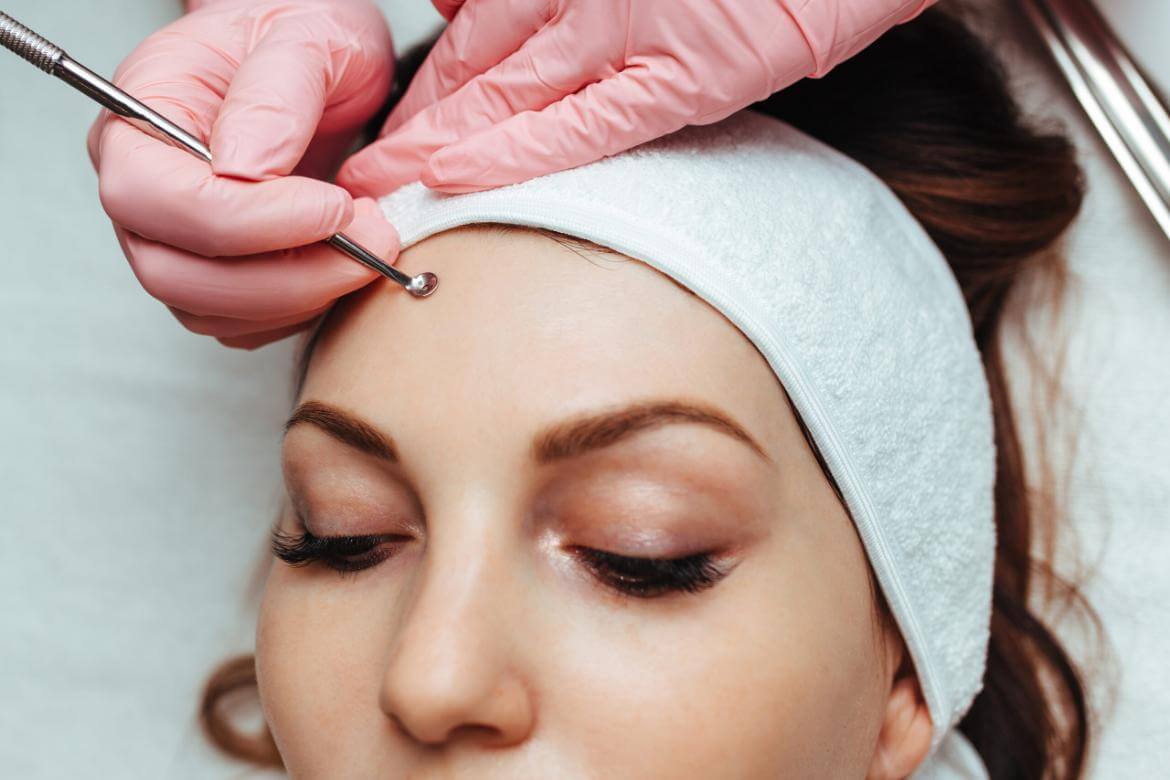
- Skin care treatments: Procedures performed by professional skin care professionals can help clear comedones. These may include techniques such as chemical peels, microdermabrasion, and vacuum exfoliation.
- Dermatological treatments: If comedones become a serious problem, you may want to consult a dermatologist. They can recommend topical (applied to the skin) treatments or oral (taken by mouth) medications, which can be prescribed.
- Avoid squeezing: Squeezing or trying to squeeze comedones can increase the risk of infection and can leave scars on the skin. Therefore, avoid squeezing comedones.
How to get rid of closed comedones?
- Products containing salicylic acid or glycolic acid: These types of acne treatments can help unclog pores. They're available as creams, gels, or lotions that you can buy without a prescription.
- Facial steaming: Facial steaming can open pores, helping to clear clogged substances more easily. Lean over a bowl of hot water, cover your face with a towel, and inhale the steam can be effective.
- Apple cider vinegar: A natural antiseptic, apple cider vinegar can help cleanse the skin. However, be careful to use it diluted and test for skin sensitivity.
- Lemon juice: Lemon juice contains a natural acid and can help remove dead skin cells. However, lemon juice can be sensitive to the skin, so use with caution.
- Tea tree oil: A natural antiseptic, tea tree oil may reduce the risk of infection. However, dilute it with a carrier oil before using it neat.
- Honey mask: Honey has antibacterial properties and can moisturize the skin. You can apply a thin layer of honey to your face or use honey masks.
- Products containing vitamin A: Creams containing retinoids can speed up skin cell turnover and help clear comedones. However, it's important to consult a doctor before using such products.
- Natural scrubs: For example, scrubs that you can prepare with natural ingredients, such as a mixture of oatmeal and yogurt, can remove dead skin cells.
When using these methods, you should consider your skin type and sensitivity. It's also recommended that you consult a dermatologist if closed comedones become a serious problem or if home remedies aren't working.
Do comedones go away on their own?
Yes, some comedones can clear on their own. Comedones, especially those caused by mild and temporary blockages, may clear on their own over time. However, this process can vary depending on a person's skin type, age, hormonal status, and skin care habits.
Do comedones leave scars?
If comedones are squeezed or treated incorrectly, the risk of scarring may increase. Comedones are usually temporary and heal without leaving a scar. However, in some cases, comedones can become inflamed or, when squeezed, damage the deeper layers of the skin. This increases the likelihood of scarring or blemishes.
Paying attention to the following points when dealing with comedones can reduce the risk of scarring:
- Avoid squeezing: Trying to squeeze comedones can increase the risk of infection and leave scars. Instead of squeezing, seek professional help.
- Proper hygiene: Avoid touching your face with clean hands and avoid using unhygienic tools. This can reduce the risk of infection.
- Proper treatment: It's important to consult a dermatologist before squeezing comedones or using acne products. Proper treatment can reduce the risk of scarring.
- Sun protection: Protecting your skin from the sun's harmful effects can reduce the appearance of scars. Scars can become more visible after sun exposure.
- Skin care: Regular skin care and using appropriate products can support the skin's healing process.
What are the factors that trigger comedone formation?
There are several factors that trigger comedone formation. These factors may vary from person to person, but in general, the following factors can increase comedone formation:
- Excessive oil production: Overproduction of oil by the skin's sebaceous glands can lead to clogged pores and the formation of comedones.
- Hormonal changes: Hormonal changes such as those experienced during puberty, pregnancy, and the menstrual cycle can increase oil production in the skin and trigger the formation of comedones.
- Genetic factors: Family history, skin type, and genetic predisposition can influence comedone formation.
- Skin care habits: Irregular or inadequate skin cleansing can cause pores to become clogged.
- Makeup: Using comedogenic (pore-clogging) or heavy makeup products can increase the risk of comedones.
- Stress: Stress can cause hormonal changes in the body, which can affect skin oil production.
- Improper nutrition: Excessive consumption of fatty, processed foods can negatively affect skin health.
- Frequent hand-to-face contact: Frequently touching your face or rubbing it with your hands can cause bacteria and dirt to spread to the skin.
- Polluted environment: External factors such as polluted air, dust, and dirt can contribute to the formation of comedones by clogging the skin.
- Tight clothing: Tight clothing can prevent the skin from breathing and cause comedones.
How is comedone treatment applied?
Comedone treatment can involve different methods depending on skin type, the severity of the skin problem, and individual needs. Treatment methods recommended by a dermatologist may include:
Topical (Superficial) treatments:
- Retinoids: Retinoids, derivatives of vitamin A, can help clear comedones by accelerating cell turnover.
- Salicylic acid: It can clear dead cells accumulated in pores and unclog them.
- Benzoyl peroxide: May treat inflamed comedones by inhibiting bacterial growth.
- Azelaic acid: It has anti-inflammatory and antibacterial properties and can reduce comedones and acne.
Professional skin care:
- Chemical peels: Exfoliating the top layer of skin using special acids can help clear comedones.
- Microdermabrasion: Gently abrading the skin surface helps remove dead cells.
- Vacuum skin cleansing: A special tool is used to remove clogged substances from the pores.
Oral medications:
- Antibiotics: Antibiotics may be used to treat inflamed comedones and acne.
- Birth control pills: They can reduce comedone formation by regulating hormonal balance.
Laser and light treatments:
- Laser treatments: Targeting the skin's surface using laser energy can reduce the appearance of comedones and blemishes.
- Light therapies: Can specifically target inflamed comedones and may be effective in reducing inflammation.
Dermatologist check-up and recommendations:
- Following the treatment plan recommended by your dermatologist and regular checkups can help you achieve effective results.
Treatment options may vary depending on your individual situation. Consulting your dermatologist and their expert opinion can help you develop the most appropriate treatment plan for you. It's also important to be patient and maintain regular skin care throughout the treatment process.
