


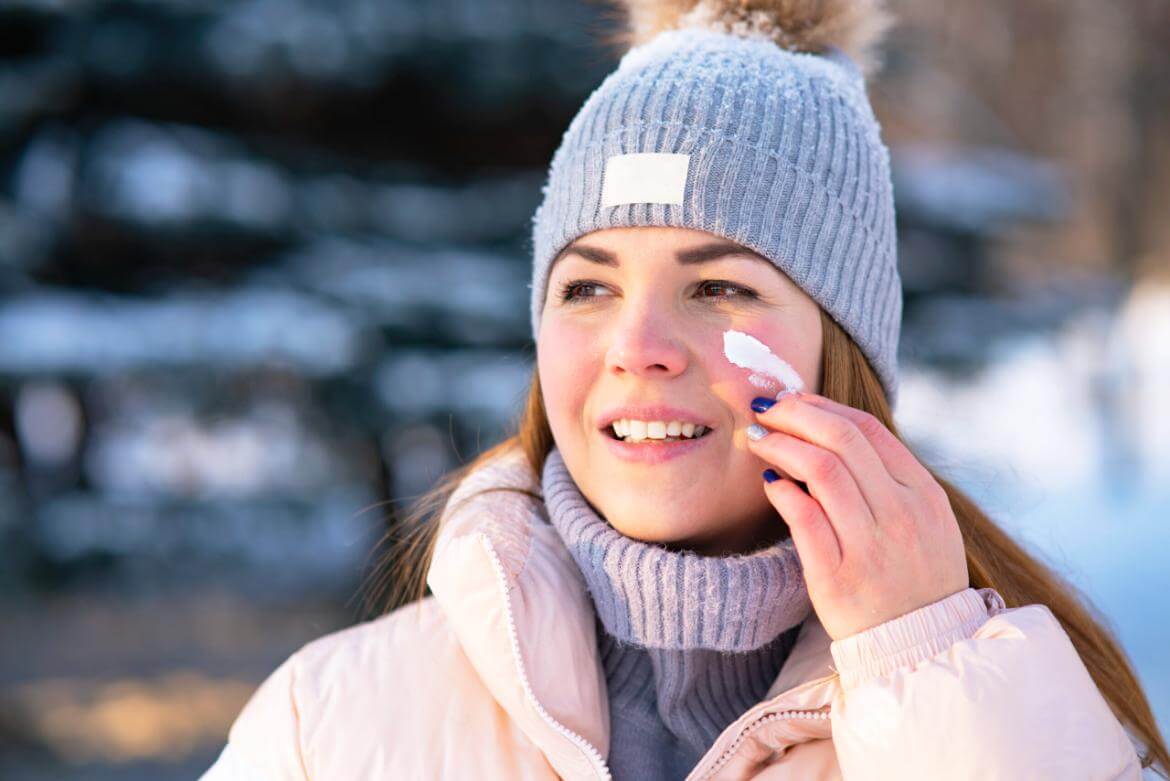
Cold Allergy
Cold urticaria, also known as a cold allergy, is a type of allergic reaction that occurs when the body is exposed to cold. Contact with cold air, water, or cold surfaces can cause symptoms such as itching, redness, swelling, or blistering on the skin. While this condition can be mild, it can sometimes lead to serious reactions. Cold urticaria typically manifests with symptoms such as blistering, itching, and redness on the skin. Contact with cold water, consuming frozen foods, or being in cold weather can trigger these reactions. While cold urticaria usually causes itching and swelling, in some cases, it can also cause serious allergic reactions. This condition can negatively impact a person's quality of life, so it's important to recognize it, understand treatment methods, and learn about preventative measures.
What are the causes of cold allergy?
The exact cause of a cold allergy isn't clear. However, some possible causes include:
- Immunological reaction: Cold allergy occurs when the body overreacts to cold exposure. It is thought to be a hypersensitivity reaction in the immune system.
- Genetic predisposition: In some cases, cold allergies may run in families. These reactions may be more common in individuals with a family history of allergies.
- Cold urticaria: A cold allergy can be an allergic reaction of the type cold urticaria, which manifests itself as blisters, itching, redness or swelling of the skin when exposed to cold.
- Allergic conditions: In some cases, the body may react allergically, especially allergic reactions to cold air or water may be the cause of cold allergies.
- Weak immune system: If the immune system is weak or under-responsive, responses to environmental factors such as cold may be altered, leading to cold allergy symptoms.
Cold allergies can manifest differently in each individual and may be the result of a combination of conditions, a person's general health status, and environmental factors.
Who suffers from cold allergies?
Cold allergy is a condition that can occur at any age. Exposure to cold or contact with cold objects can cause skin reactions or other allergic symptoms in some individuals. People with cold allergies typically experience symptoms when exposed to cold temperatures or cold water.
The severity of this condition can vary from person to person. Some people experience mild itching or rash, while others may have severe reactions. Cold allergies, in particular, can begin in young adulthood and may decrease or increase in severity with age.
The tendency to develop cold allergies may increase, especially in the following situations:
- If there is a family history of allergies such as allergic reactions or allergic asthma,
- In people with weak immune systems,
- Those who are hypersensitive to low temperatures,
- In those with other allergic conditions,
- In those with genetic predisposition.
Cold allergy symptoms can vary from person to person and typically include itching, redness, swelling, and swelling of the lips or tongue. In some cases, cold allergies can lead to serious medical emergencies, so it's important for people experiencing these reactions to not dismiss their symptoms lightly and consult a healthcare professional.
Symptoms of cold allergy
Cold allergy symptoms usually occur as a result of contact with cold. Some of the symptoms of cold allergy include:
- Redness and itching: You may experience sudden redness and itching in areas exposed to cold.
- Skin blisters: Swelling, blisters, or rashes may appear in areas exposed to cold.
- Hives (Urticaria): Red, raised, itchy rashes may appear locally or widely on the skin.
- Edema ( Angioedema ): Symptoms such as swelling under the skin, especially in the face, lips, eyelids or tongue, may occur.
- Cold contact urticaria: Rashes, swelling, or itching may appear immediately in areas that come into contact with cold.
These symptoms typically appear shortly after exposure to cold, and symptoms can appear rapidly following contact with the cold. The severity and symptoms of allergies can vary from person to person. Some may experience mild symptoms, while others may have more severe reactions. People experiencing allergic symptoms should try to avoid cold contact and seek advice from their doctor.
How to treat cold allergy (cold urticaria)?
For individuals with symptoms of cold allergy (cold urticaria), the following precautions can be taken:
- Pay attention to clothing: It is important to choose clothing that covers the body and protects from the cold, and to stay indoors, especially in cold weather or in situations where there is a risk of contact.
- Protective gloves for hands: Using appropriate gloves to prevent hands from coming into contact with the cold can be helpful.
- Temperature settings: It is important to keep indoor temperature and shower water temperature under control.
- Antihistamines: Taking antihistamines as recommended by a doctor can relieve allergy symptoms.
- Epinephrine syringe: It is important to carry an epinephrine syringe, which can be used with a doctor's advice in case of a severe reaction.
- Follow-up with a doctor: Those with cold allergy symptoms should regularly check in with their doctor. It's important to follow your doctor's recommendations and treatment plan.
If your symptoms are severe or uncontrollable, your doctor may recommend alternative treatments or medications. Allergic reactions can be serious, so severe reactions may require immediate medical attention. It's important to follow your doctor's recommended emergency plan.
Natural remedies for cold allergies
- Keeping warm: Keeping the body warm can reduce cold allergy symptoms. Wearing thick clothing and using accessories to keep hands and head warm can help.
- Omega-3 fatty acids: Foods containing omega-3 fatty acids, such as fish oil, walnuts, and flaxseed, can reduce inflammation by supporting the immune system.
- Herbal teas: Herbal teas such as mint, chamomile, and sage have soothing effects and can relieve cold allergy symptoms.
- Antihistamine foods: Some foods have natural antihistamine properties. Spices like garlic and turmeric can help relieve allergic reactions.
- Honey and propolis: Honey is known as a natural anti-allergic, and the use of products containing propolis can reduce allergic symptoms by strengthening the immune system.
It's important to consult a healthcare professional before using these natural remedies, especially if you're experiencing severe symptoms. It can be helpful to get a professional opinion to minimize the risk of an allergic reaction and determine the appropriate treatment options.
Is cold allergy dangerous?
A cold allergy is generally not dangerous, but it can cause serious problems for some people. It's a type of allergy that can occur as a result of contact with cold air or cold objects. In mild cases, symptoms such as itching, redness, and swelling may occur. However, in more severe cases, symptoms such as swelling in the throat, tongue, or wrists may occur and require medical attention. In extreme cases, shock can even occur and emergency treatment may be necessary. Therefore, it's important for individuals with cold allergies to take the condition seriously and take the necessary precautions.
Which doctor should you see for cold allergies?
Individuals with cold allergy symptoms can often consult a dermatologist or allergist. However, in emergency situations, if severe symptoms require rapid intervention, it is important to seek help from an emergency medical professional. Specialists can help with symptom management and treatment options.
Is cold allergy permanent?
Cold allergies are generally not permanent. Mild symptoms often disappear within a short time. However, severe symptoms may require treatment for a period of time. Symptoms can be alleviated or controlled with medications or treatments recommended by a doctor. In the long term, some people may experience less or significantly less symptoms over time. This can vary from person to person. Therefore, symptom management and regular follow-up with a doctor's recommendations are important.
What should people with cold allergies pay attention to?
Individuals with cold allergies can reduce symptoms by taking certain precautions. Here are some things to consider:
- Clothing: Warm, thick clothing that protects the skin directly should be preferred. Clothing that covers the head, face, and wrists can reduce the effects of cold weather.
- Avoiding cold contact: If possible, it may be helpful to stay indoors or wear protective gloves to reduce contact with cold surfaces.
- Using moisturizer: Protecting the skin with moisturizing products can reduce the dryness and irritation that cold weather can cause to the skin.
- Avoiding sudden temperature changes: It is important to avoid sudden temperature changes or contact with cold water, especially in summer.
- Follow-up with a doctor: It's important to regularly see a specialist doctor and receive guidance on symptom management and treatment options. Cold allergies can vary from person to person, so a personalized approach is essential.
These suggestions may help reduce cold allergy symptoms. However, every situation is different, and individual symptoms and reactions may vary. Therefore, it is important to seek individualized advice from a qualified healthcare professional.
